
Home Blog Page 1950

Kawasaki ZX-6R Intro: Return Of The $10,000 600-Class Sportbike

To read more articles like this one originally published in the December 2018 print issue of Roadracing World, subscribe to Roadracing World.

This feature article is brought you by Kawasaki Motors Corp., USA.

Kawasaki Motors Corp., U.S.A. (KMC) markets and distributes Kawasaki motorcycles, ATVs, side x sides, and Jet Ski® watercraft through a network of almost 1,100 independent retailers, with close to an additional 7,400 retailers specializing in general purpose engines. KMC and its affiliates employ nearly 3,100 people in the United States, with approximately 260 of them located at KMC’s Foothill Ranch, California headquarters.

Kawasaki’s tagline, “Let the good times roll.®”, is recognized worldwide. The Kawasaki brand is synonymous with powerful, stylish and category-leading vehicles. Information about Kawasaki’s complete line of powersports products and Kawasaki affiliates can be found on the Internet at www.kawasaki.com.


Copyright 2018-2019, Roadracing World Publishing, Inc.

Return Of The $10,000 600cc Sportbike

By Chris Ulrich

Few things have changed since the last time Kawasaki introduced a new ZX-6R. The motorcycle sales environment is still tough. Road racing is still working to recover. Kawasaki doesn’t have any official entry in top-level road racing in the United States. And some media outlets are still making stuff up.

We’ve all read the headlines about the demise of the 600cc inline four-cylinder. The tales were so convincing that they fooled the powers that be at Dorna and Moto­America into looking at an alternate class featuring Middleweight Twins instead of Inline Fours. But the stories were Fake News and manufacturers keep building and selling fully-faired middleweight category sportbikes. Honda, the biggest target of the fiction, recently announced the return of the CBR600RR as a 2019 model. Suzuki also continues to build and sell the shared-platform GSX-R600 and GSX-R750 models, and Yamaha introduced an upgraded YZF-R6 in early 2017. And now I’m writing about an upgraded 2019 model Kawasaki ZX-6R. All indicators show the middleweight supersport category is still alive and still relevant. In fact, it makes up roughly 25 percent of the fully-faired sportbike market. 

There is no denying that the sportbike segment of the industry has some challenges, but people are still buying and riding sportbikes and there is still a place for middleweight three and four-cylinder sportbikes in the market. That place is right between the entry-level sportbike class and the 1000cc sportbike category. The safest and most responsible way to progress in riding is by matching the rider’s skill level with the appropriate displacement. The industry needs models that new riders can graduate to from the 300cc-500cc category. And the argument about 1000cc bikes having enough electronics that anyone can ride them may be great for marketing, but is not the right approach to keep riders in the sport for the long haul. Advanced electronics do a great job at adding a safety net when turned all the way up, but the forces generated by the larger displacement 1000cc engines will always be greater, the power output higher, and the centripetal forces created by a heavier crankshaft, a large stater, and larger pistons will always make larger-displacement motorcycles harder to stop and turn than smaller-displacement motorcycles. And the greater torque and horsepower will always require more physical effort to control on corner exit, no matter how much somebody turns up the traction control—at least if you want the bike to actually move forward and behave in a natural way. It’s physics, plain and simple. 

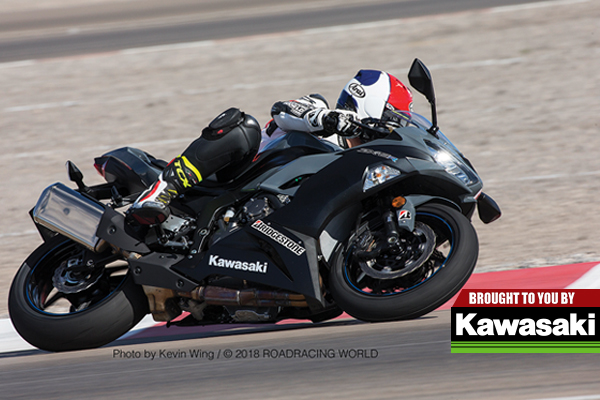
Fully-adjustable front and rear Showa suspension — including new Separate Fork Function-Big Piston (SFF-BP) front forks–allowed Racing Editor Chris Ulrich to tweak the set-up and thus continually improve the 2019 Kawasaki ZX-6R’s racetrack performance at Las Vegas Motor Speedway. – Photo by Kevin Wing, courtesy of Kawasaki.

But in recent years, the typical price of 600cc sportbikes has crept up closer and closer to base-model 1000cc motorcycles, and that seems to have changed consumer behavior. A 600 seemed too expensive for the entry-level rider, so they went for the 400. Then they gravitated to a 1000 when looking to upgrade from a 400 because it seemed like a better dollar-to-performance value than a 600. People often underestimate the massive jump in performance between a 400cc and a 1000cc sportbike.

Kawasaki has decided to do something to bridge the gap and try to change consumer behavior by offering the 2019 non-ABS-model ZX-6R for $9,999, and selling the ABS models for between $10,999 and $11,299. For comparison, the base model ZX-6R is priced $1,399 below the 2019 Suzuki GSX-R600, which has the next-lowest-price in the category. It is also priced $1,799 below the Honda CBR600RR, and $2,199 below the segment’s sales leader, the Yamaha YZF-R6. At 636cc, the ZX-6R also competes with Suzuki’s GSX-R750, which sells for $2,499 more than the base model ZX-6R. You see a pattern here? Kawasaki’s pricing is aggressive. There is no doubt Kawasaki’s margin on the ZX-6R is lower, but the company is not passing the pain on to dealers—the dealer cost-to-MSRP spread for the 2019 model is close to what it was in previous model years. Kawasaki plans to make up for reduced margins by increasing the volume of units sold. That approach could be pure genius or a massive bust, and it will take some time to see how it really plays out in the marketplace and on Kawasaki’s balance sheets.

That lower base price doesn’t mean Kawasaki is shorting its racing contingency programs. Team Green will offer over $500,000 in contingency support for the 2019 ZX-6R in 13 series across the United States, including MotoAmerica, where the ZX-6R is eligible to run the Supersport class with no additional restrictions beyond the general technical rules.

Kawasaki’s new approach for the 2019 ZX-6R follows the industry trend of delaying new model redesigns in an effort to amortize the design and manufacturing costs. So now, instead of ground-up redesigns, we get upgrades that add performance and value, meant to keep consumers engaged without bankrupting the OEM. For 2019, Kawasaki added a quickshifter (KQS) system, changed the gearing, revised the engine mapping to meet Euro 4 emission standards, changed the ergonomics, added LED lighting, and updated the bodywork design. All are smart changes that improve sales appeal and keep the ZX-6R relevant.

Starting with the powerplant, the 2019 ZX-6R retains the same DOHC, 16-valve, liquid-cooled 636cc inline four-cylinder engine featuring a 67.0 mm x 45.1 mm bore and stroke and 12.9:1 compression ratio. Changes to engine mapping allow the ZX-6R to meet Euro 4 emissions standards without adding ride-by-wire throttle control or losing engine performance compared to the 2013 non-Euro 4 specification model. Kawasaki engineers aimed to improve the mid-range performance of the ZX-6R by changing the final drive gear ratio from 16/43 (2.688:1) to 15/43 (2.866:1). The primary and internal transmission gear ratios were unchanged. The 2019 retains the cable-operated F.C.C. slip-assist back-torque-limiting clutch.

Photo by Kevin Wing, courtesy of Kawasaki.

The electronics suite is also mostly unchanged for 2019. Four Kawasaki TRaction Control (KTRC) levels (1-3, plus off) are available on the ZX-6R, along with two power modes. Full Power offers—no kidding—full power while Low Power cuts available output to 80% of maximum horsepower. Between the KTRC and the power modes, the ZX-6R offers eight variations of power control. And while engineers added the previously mentioned Kawasaki Quick Shifter (KQS) unit that allows upshifts without having to close the throttle, there is no auto-blip functionality, so downshifts still have to be made the old-fashioned way, using the clutch.

Kawasaki is offering two-­versions of the 2019 ZX-6R with Kawasaki Intelligent Anti-lock Brake System (KIBS). The system uses inputs from wheel speed and brake pressure sensors, plus the ECU, to regulate the amount of brake pressure reduction when slippery conditions are present. 

The 2019 ZX-6R chassis remains mostly unchanged, with rake and trail for the twin-spar pressed aluminum frame remaining 23.5 degrees and 102 mm. The two-piece die-cast aluminum sub-frame and rear swingarm are also unchanged. The front suspension consists of 41 mm Showa Separate Fork Function-Big Piston (SFF-BP) front forks. The SFF-BP system separates the fork functions with the pre-load adjustment located only in the left fork leg, while damping adjustments are located only in the right fork leg. Both legs have springs and the fork piston size is 37.2 mm, which should in theory make the fork more sensitive to adjustments. A fully adjustable Showa gas-charged piggyback-reservoir rear shock works through a Kawasaki Uni-Track linkage.

The 2019 model’s wheelbase is slightly longer, changed from 54.9-inches (1,385 mm) to 55.1-inches (1,399 mm), courtesy of the previously mentioned, smaller, 15-tooth countershaft sprocket. The Kawasaki ZX-6R rolls on a set of Bridgestone Hypersport S22 radial tires.

The biggest changes made for 2019 come in ergonomics and bodywork. While the rider triangle—the relative location of the footpegs, handlebars, and seat—is unchanged, the seat length between the tail section to the fuel tank is slightly shorter. Kawasaki engineers also added a new clutch lever with five positions of adjustability. A redesigned upper fairing retains the Ninja’s large center air intake while adding LED headlights and improving wind protection for the rider. The new LED rear taillight was modeled after the unit used on the ZX-10R. Kawasaki will offer the ZX-6R in three colors, Metallic Flat Spark Black (non-ABS), Pearl Strom Gray Metallic Spark Black (Non-ABS, ABS), and the KRT edition.

All the changes add appeal to what was already a solid, well-performing bike in the category. Selling the base model 2019 Kawasaki ZX-6R for $9,999 has the potential to turn the middleweight Supersport category on its head.

***

Kawasaki chose Las Vegas as the background to launch the ZX-6R, first unveiling the new model the morning of the media day during the 2018 American International Motorcycle Expo (AIMExpo), then allowing journalists to ride the bike on the street and racetrack over two days.

The route selected for the street segment took us west out of Las Vegas toward Mount Charleston, climbing 8,000 feet before heading back to the city. The route consisted of highways, twisty mountain roads, slick and wet roads, and some city riding as we headed from and then back to the speedway. Our ride for the day was the $11,299 KRT model with ABS, which makes sense since the ABS function on most road-going motorcycles is designed for use on the street. I could tell the ZX-6R had a good balance of sport and comfort a few miles into the ride. Ergonomics were good during longer stints on the bike; my knees were not too cramped and the bar position allowed me to relax my shoulders and limit fatigue. Wind protection, even at high speed, was more than adequate.

The added torque from the engine having that extra displacement came in handy when accelerating onto the highway or jumping from light to light. Cruising down the highway in top gear, the engine also allows relatively brisk acceleration without having to downshift. And engine vibration reaching the rider also seems to be pretty minimal.

The Kawasaki ZX-6R’s 636cc engine produces more mid-range torque than a typical 600cc-class sportbike, giving a street rider more gear-selection options on twisty roads. Ergonomics, comfort, suspension, and tire performance are also good for road use. – Photo by Kevin Wing, courtesy of Kawasaki.

Twisty-road performance was good; the 636cc engine gives plenty of gear selection options, and the quick-shifter (up only) worked as expected. A negative I noticed while on the street ride was the engine temperature while going from stoplight to stoplight. Ambient temperatures were in the 80s and the bike was running up around 225-230 degrees Fahrenheit while sitting in traffic.

The ZX-6R has a stable chassis that worked well on the highway and through the canyon roads at a good clip, while the Bridgestone Hypersport S22 performed well in all conditions, including slick, cold, wet roads at the top of Mount Charleston. But it would be irresponsible to test the ZX-6R’s limits on public roads, so we headed to the Classic Course at Las Vegas Motor Speedway to find the true high-speed performance potential of the Kawasaki ZX-6R. 

It had been about nine years since the last time I turned a wheel around the Classic Course. The racetrack is short, made up of mostly second-gear corners with two straightaways and one fast, fourth-gear right off the back straight. I was able to get my head wrapped back around the track after a few laps. Going from the street to the track, Kawasaki put us on the base model with no ABS. It was a smart choice as we were there to test racetrack performance and most ABS systems are made for safety on the road instead of fast lap times around a racetrack. Bridgestone R11 DOT-labelled racing tires were set at 34 psi in the front and 24 psi in the rear (coming off the tire warmers) for the track sessions.

The first thing I noticed rolling out of pits was the engine. The torquey 636cc engine makes the ZX-6R more user-friendly on the track—especially for larger riders. The rider can rev the engine for absolute maximum performance, or leave the bike in a higher gear than normal and use the mid-range torque to smoothly accelerate out of a corner. The ZX-6R pulls hard until 14,500 rpm, signing off about 1,500 rpm before the claimed 16,000 rpm redline. On deceleration, the F.C.C. back-torque-limiting clutch handled everything I asked it to do, without the rear wheel stepping out during heavy braking. 

The handling characteristics and feel are the same as on Kawasaki 600cc models I’ve tested in the past. The bike is stable on the brakes and at the corner apex, but takes more effort to turn in and struggles to finish a turn. The 2019 version of the ZX-6R was no different at the start of the day. Once up to speed I made systematic changes to the set-up to improve steering and increase overall support from the suspension.

My first change was to add two turns of rear spring pre-load (from 6 positions in to 8 positions in) to improve overall steering at the apex and exit of the corner. Next on the agenda was to increase front pre-load (from 6 turns in to 8 turns in) to balance the bike and add braking support. Then I focused on improving front feel by changing the damping settings, and I had a Kawasaki tech add a half turn of rebound (from 4 turns out to 3.5 turns out) to control rate of return, then added half a turn (from 4.5 to 4 turns out) of compression for more support. We continued to tweak on the chassis as the sessions went on and I pushed harder. The next step was adding a 2 mm shim under the shock clevis. From there we added more front pre-load, settling on 12 turns in, until there was adequate support on the brakes without ruining the chassis balance. The middleweight Kawasaki responded well to raising the entire bike. 

The ZX-6R liked more spring preload at both ends as well as inserting a shim under the shock clevis. – Photo by Kevin Wing, courtesy of Kawasaki.

A big part of my comfort came from understanding the Showa SFF-BP forks. They work better than standard Showa BPF forks through the entire range of travel and have more feel at the bottom of the stroke at the apex. The adjustment range is also precise. At the rear, the ZX-6R has decent edge grip along with plenty of feel when the rear tire starts to spin. I was very comfortable allowing the rear to spin once I had the bike stood up and pointed on corner exit. And as the laps piled up and I got even more comfortable, I was able to eventually turn a 1:21 lap around Las Vegas. That’s a solid lap time for a standard, stock motor­cycle and it shows the high performance potential of the ZX-6R. Performance potential that comes with a $9,999 MSRP.

There’s nothing not to like about that!

The specification chart for the 2019 Kawasaki ZX-6R. Copyright 2018-2019, Roadracing World Publishing, Inc.

Roger Lyle’s Motorcycle Xcitement Track Days And Road Racing School Releases Its 2019 Schedule

Roger Lyle’s Motorcycle Xcitement Track Days and Road Racing School is proud to announce our 2019 dates at Summit Point Motorsports Park in Summit Point, West Virginia, and NCBIKE in Garysburg, North Carolina.

Motorcycle Xcitement has a 42-year history with Summit Point Motorsports Park in wild and wonderful West Virginia. We are looking forward to 15 track days and road race schools at the three road race tracks: the legendary Summit Point Raceway, Bill Scott’s Shenandoah Circuit and the new Jefferson circuit. Summit Point Motorsports Park’s current winter project is deer fencing around the 400 acre facility! Thanks to track manager Chris White and all the fine folks at Summit Point for their commitment to keep the dream alive!

Motorcycle Xcitement Track Days travels to Garysburg, North Carolina, to the fun and friendly NCBIKE for 4 weekends riding on their 14 turn 2.2 mile road course. On Saturdays we ride counter clockwise. On Sunday we ride clockwise direction. That’s two tracks in one location that wears out both sides of your tires! Thanks to track manager Sam True and his crew for a wonderful safe facility and smooth operations.

Motorcycle Xcitement would like to thank the John Ulrich family, the Roadracing World Action Fund, and everyone who contributed, for saving motorcyclists lives since 2001. Thank You.

From everyone at Motorcycle Xcitement, We wish you a healthy new year!

Peace,

Roger Lyle

www.motorcyclexcitement.com

301-933-2599

Motorcycle Xcitement Track Days and Road Racing School 2019 Calendar

March 31 Jefferson Circuit, Summit Point, West Virginia

April 1 Summit Point Raceway, Summit Point, West Virginia

May 12 Shenandoah Circuit, Summit Point, West Virginia

May 13 Summit Point Raceway, Summit Point, West Virginia

June 1 NCBIKE , Garysburg, North Carolina

June 2 NCBIKE, Garysburg, North Carolina

June 16 Shenandoah Circuit, Summit Point, West Virginia

June 17 Summit Point Raceway, Summit Point, West Virginia

July 4 Summit Point Raceway, Summit Point, West Virginia

July 20 NCBIKE, Garysburg, North Carolina

July 21 NCBIKE, Garysburg, North Carolina

August 4 Jefferson Circuit, Summit Point, West Virginia

August 5 Summit Point Raceway, Summit Point, West Virginia

September 7 Summit Point Raceway, Summit Point, West Virginia

September 8 Summit Point Raceway, Summit Point, West Virginia

September 29 Jefferson Circuit, Summit Point, West Virginia

September 30 Summit Point Raceway, Summit Point, West Virginia

October 19 NCBIKE , Garysburg, North Carolina

October 20 NCBIKE , Garysburg, North Carolina

October 27 Shenandoah Circuit, Summit Point, West Virginia

October 28 Summit Point Raceway, Summit Point, West Virginia

November 2 NCBIKE , Garysburg, North Carolina

November 3 NCBIKE , Garysburg, North Carolina

Canadian Superbike: Jordan Szoke Returns To Kawasaki Roots For 2019-2020

Szoke Signs Two Year Deal with Canadian Kawasaki Motors and Blackfoot Motorsports

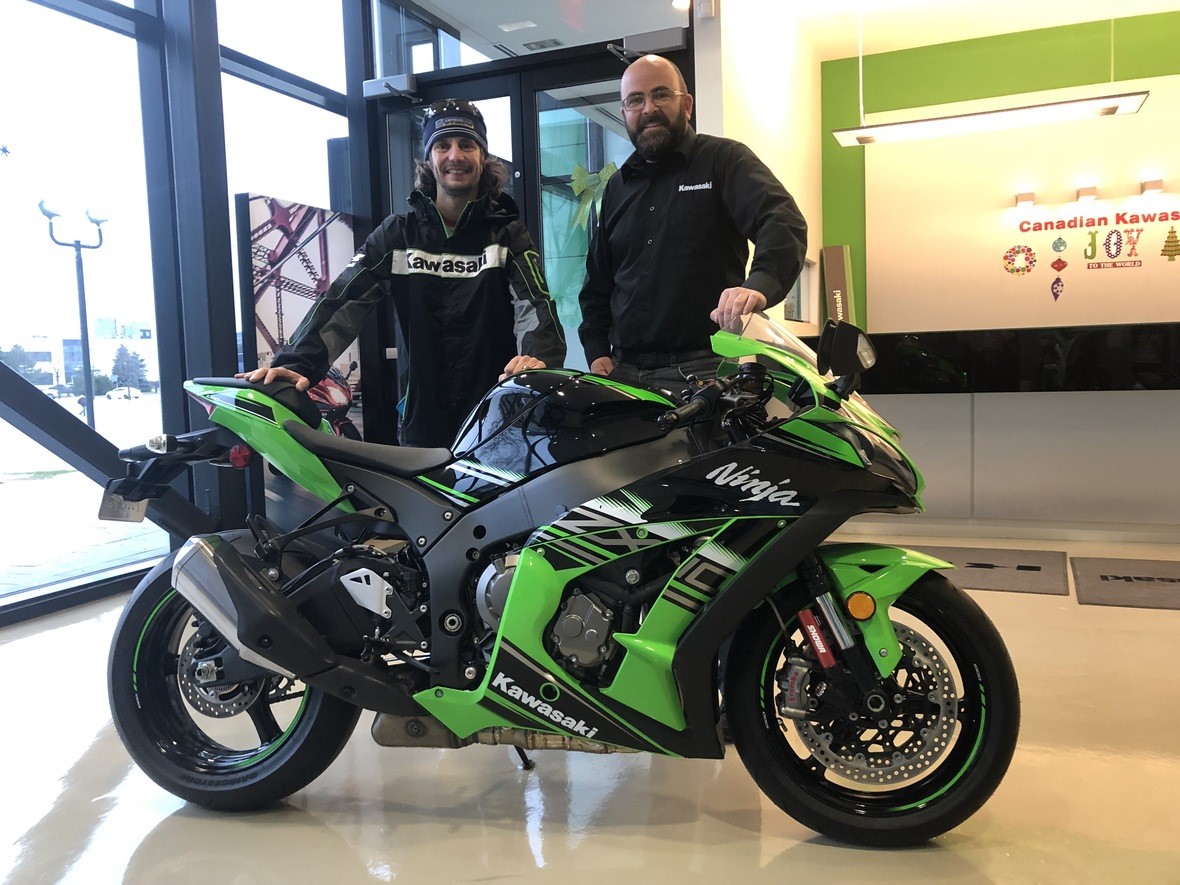
Jordan Szoke, the winningest racer in National Canadian Superbike History signs a two-year deal to run his Mopar Express Lane backed super bike team with brand new equipment for the next two seasons. Szoke will defend his Mopar Canadian Superbike National Title with the redesigned 2019 Kawasaki Ninja ZX-10R backed by Blackfoot Motorsports.

“I am really excited about this new venture.” grins Szoke. “I started out my super bike career on a Kawasaki so it just seems fitting to finish it on Team Green.”

Szoke started his “real Superbike” debut on a 1993 model Kawasaki Ninja ZX-7RR in 1997 at Atlantic Motorsports Park. In turn bringing home his very first National Superbike Championship to Kawasaki in 1998. Szoke and Kawasaki had one of the most successful runs in Canadian History with a 4-year winning streak sweeping both the Superbike and Pro 600 titles from 2006-2009.

“Kawasaki and I are a good fit.” says Szoke. “It is an exciting step for our National Series to have Kawasaki involved in our Superbike program and also a positive step forward for the rest of our competitors and fans to enjoy another brand gunning for the top spot. There is life after sitting in the riders seat and I feel that Kawasaki and I are a good fit to grow together to stay involved within the industry after racing.”

“We are excited to have Jordan back on a Ninja, the bike that helped launch his superbike career back in the late 90’s,” says Brad Goodbody of Canadian Kawasaki Motors. “With the global racing success of the Kawasaki Ninja ZX-10R, and the improvements made on the 2019 model, we are really looking forward to seeing what Jordan and his Waznie Racing Team can do in the CSBK Championship.”

Szoke is quick to thank BMW Motorrad for their unwavering support for the past 7 seasons, saying, “We part on really good terms. Chris (Duff) and I were kids are the racetrack together. We’ve known each other for years. Him and I both want to see our sport thrive. I am extremely thankful for the 6 Championships and one World Race Trophy Title we brought home to Canada.”

Backing Kawasaki with their new venture is Blackfoot Motorsports. Blackfoot Motorsports is one of Canada’s largest power sports dealers located in Calgary, AB. Blackfoot has a rich racing heritage both on and off road, winning multiple championships both on the asphalt and the dirt.

“Having Blackfoot as a larger part of our efforts really makes me happy. Pat, Doug and Jason have always supported me my entire career, so to have them play a bigger role on our team, the fit just couldn’t be more perfect. I can’t wait to see them back at the racetrack again,” says Szoke.

Szoke continues his relationship with famed tuner Scott Miller of Fast Company. Miller has agreed to help prepare the horsepower for Szoke’s already powerful ZX-10R. “Scott and I have worked together during many different parts of my career. When it came time to find a tuner for our engines, it was a no-brainer, just call Miller. He was always part of my successes throughout my career so I am grateful to have him back on board.”

Jordan’s wife Amy Szoke made her debut on a Superbike last season, finishing 8th in the Amateur Superbike season overall. Amy will return to CSBK National racing, this time on a Kawasaki Ninja 400 in the Lightweight Sportbike Class.

When asked about her switch from Superbikes to Lightweights, Amy explained, “Running a Superbike is really (really) expensive. My program ran us deep into the red last season so this is a good alternative to just sitting in the pits making sandwiches. My heart truly lies with the big bikes so I wouldn’t rule out a return at some point.

“I’ve found a new passion in film (Amy is a stunt performer in movies and television) and with this program modification it allows me to commit better to both. Kawasaki had given me an opportunity to climb back into the saddle in the past and once again offer me the same opportunity. I am eternally grateful to the green machines for that.”

“Amy brings a level of professionalism, positivity, and skill to the Lightweight Sportbike class that we are very excited about. I believe, much like Ana Carrasco did in the FIM World Supersport 300 Championship, that Amy and the Ninja 400 are more than capable of running up front and contending for the championship,” says Goodbody.

Mopar Express Lane continues to remain the title sponsor and welcomes Kawasaki and Blackfoot Motorsports to Szoke’s Superbike efforts.

Suzuki Tri Series Continues This Coming Weekend At Manfeild Circuit

OVERSEAS STARS SURE TO GAIN SUZUKI SERIES MOMENTUM

The popular annual Suzuki Series kicked off near Taupo on Sunday with all the usual fizz, fanfare and frenetic race action and, despite the star power of the international entries, it was the Kiwi locals who emerged as the early frontrunners.

That’s not to say that any of these New Zealand riders can afford to rest of their laurels, however, with the riders visiting from overseas sure to grit their teeth and fight back at round two in the Manawatu this coming Sunday.

Manfeild Circuit Chris Amon, on the outskirts of Feilding, is the venue for racing this Sunday and the visiting riders from the United Kingdom, The Netherlands, Germany and Australia are determined to make the most of Saturday’s practice day to ensure they’re fighting fit and fast for the racing proper on Sunday.

The prestige of the Suzuki Series is such that, each year since the inaugural running in 2008, it entices many of the world’s leading road-race exponents to make the long journey Downunder.

This year has been no exception with British rider Peter Hickman certainly a draw-card, despite this being his first time racing in New Zealand.

Internationally-renowned Hickman won at the Isle of Man earlier this year, setting a new lap record, and also celebrated wins in 2018 at the North West 200 in Northern Ireland and at the Ulster Grand Prix.

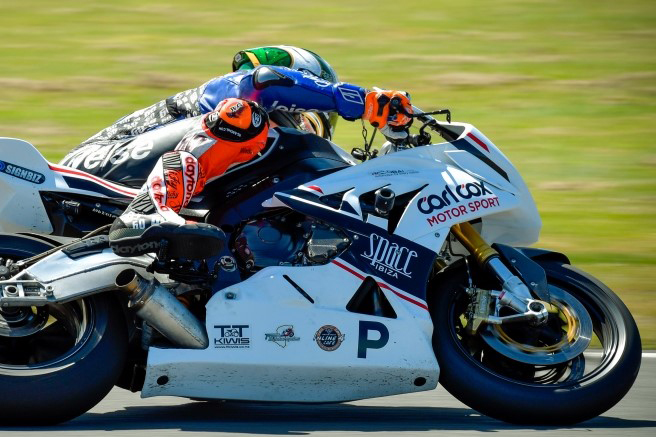
Hickman is here to compete at all three rounds of the Suzuki Series, racing his BMW motorcycle under the Carl Cox Motorsports banner, although his first foray at Taupo last weekend was stymied by a little off-track excursion.

Running with the leaders in Sunday’s first of two Formula One Superbike class races, Hickman’s bike was clipped from behind by another rider and the two of them shot off the track and into the catch-gravel, often endearingly referred to by the riders as the “kitty litter”.

Hickman managed to rejoin the race and settled for 14th at the finish. He crossed the finish line in 11th position in race two, the heat of the race track surface playing havoc with tyre traction and the pace of Kiwi riders Mitch Rees, Damon Rees, Shane Richardson and Scott Moir simply outrageous.

This year’s Suzuki Series has also welcomed the return of likeable Liechtenstein rider Horst Saiger.

Saiger was absent for family reasons last year but he did win the Suzuki Series’ F1 class in 2014. However, his experiences at this year’s series opener in Taupo was not a good one.

Suffering issues with the set-up of his suspension, Saiger managed only 10th and 15th in his two F1 outings on Sunday, well below what everyone knows he is capable of.

Expect to see a very different Saiger at Manfeild this weekend, a circuit that has been a happy hunting ground for him in the past.

Another international star who has made the trip to New Zealand is British and world sidecar championship contender John Holden, who has again this year teamed up with Tauranga’s Robbie Shorter as his “wingman”.

Holden and Shorter won the sidecars’ F1 class at the 2016 edition of the Suzuki Series and it looks as if they already have one hand on the sidecars trophy this year too.

The Holden and Shorter combo qualified fastest in the F1 sidecars class at Taupo and then blitzed the field in winning both of Sunday’s points races.

British sidecar duo Phil Hyde and Gary Bryan also added international sparkle to the F2 sidecars class in what was their first Kiwi appearance last weekend, and they twice finished runners-up, both times behind Bay of Plenty heroes Barry Smith and Tracey Bryan.

“This year’s entry list is the largest we’ve had in the 10 years since the inaugural Suzuki Series. The popularity is global, particularly for the Cemetery Circuit final round on Boxing Day,” confirmed Suzuki Series organiser Allan ‘Flea’ Willacy.

Hundreds of talented racers, engineers and mechanics, team managers, sponsors and the many fans have all become engrossed in this special ‘mini’ season of pre-nationals racing and there are still two weekends of racing to come.

After Manfeild on Sunday, the Suzuki Series will wrap up with its traditional Boxing Day street races, around Whanganui’s famous Cemetery Circuit.

Leading standings after Sunday’s first of three rounds in the Suzuki Series are:

Formula One superbike: 1. Shane Richardson (Wainuiomata) 44 points; 2. Scott Moir (Taupo) 40; 3. Jake Lewis (Rangiora) 36.

Formula Two 600: 1. Damon Rees (Whakatane) 51 points; 2. Avalon Biddle (Waimakariri) 44; 3. Toby Summers (Manukau) 38.

Formula three: 1. Jacob Stroud (Palmerston North) 26 points; 2. Leigh Tidman (Taumarunui) 22; 3. Glen Skachill (Wellington) 20.

GIXXER Cup: 1. Jesse Stroud (Hamilton) 48 points; 2. Zak Fuller (Taupiri) 47; 3= Shane Miller (Sanson) and Clark Fountain (Greymouth) 38.

Post Classics, Pre-89, Senior: 1. Duncan Coutts (Whangarei) 51 points; 2. Peter Bogusz (Paraparaumu) 44; 3. Gian Louie (Hastings) 40.

Post Classics, Pre-89, Junior: 1. Scott Findlay (Auckland) 51 points; 2= Chris Sales (Palmerston North) and Dean Bentley (Lower Hutt) 42.

Bears (non-Japanese bikes) and Formula Sport, Seniors: 1. Brendon Coad (Auckland) 51 points; 2. Steve Bridge (Ngaruawahia) 40; 3= Brad Groombridge (Taupo) and Malcolm Bielski (Wellington) and Glen Eggleton (Rotorua) 35.

Bears (non-Japanese bikes) and Formula Sport, Seniors: 1. Gary Morgan (Te Awamutu) 45 points; 2. Stephen Bates 44; 3= Paul Jenkins (Kaikohe) and Robert Lammas (Palmerston North) 36.

Super Motard: 1. Duncan Hart (Tauranga) 51 points; 2. Jette Josiah (Taumarunui) 44; 3= Russell Josiah (Taumarunui) and Andrew Rudd (Ashburton) and Will Young (Wellington) 36.

F1 Sidecars: 1. John Holden and Robbie Shorter (England/Tauranga) 51 points; 2. Chris and Richard Lawrance (Warkworth) 42; 3. Ian Staples and Mark Thompson (Whanganui) 38.

F2 Sidecars: 1. Barry Smith and Tracey Bryan (Tauranga) 51 points; 2. Gary Bryan and Philip Hyde (Leceister, UK) 44; 3. Mark Halls and Darren Prentis (Auckland) 40.

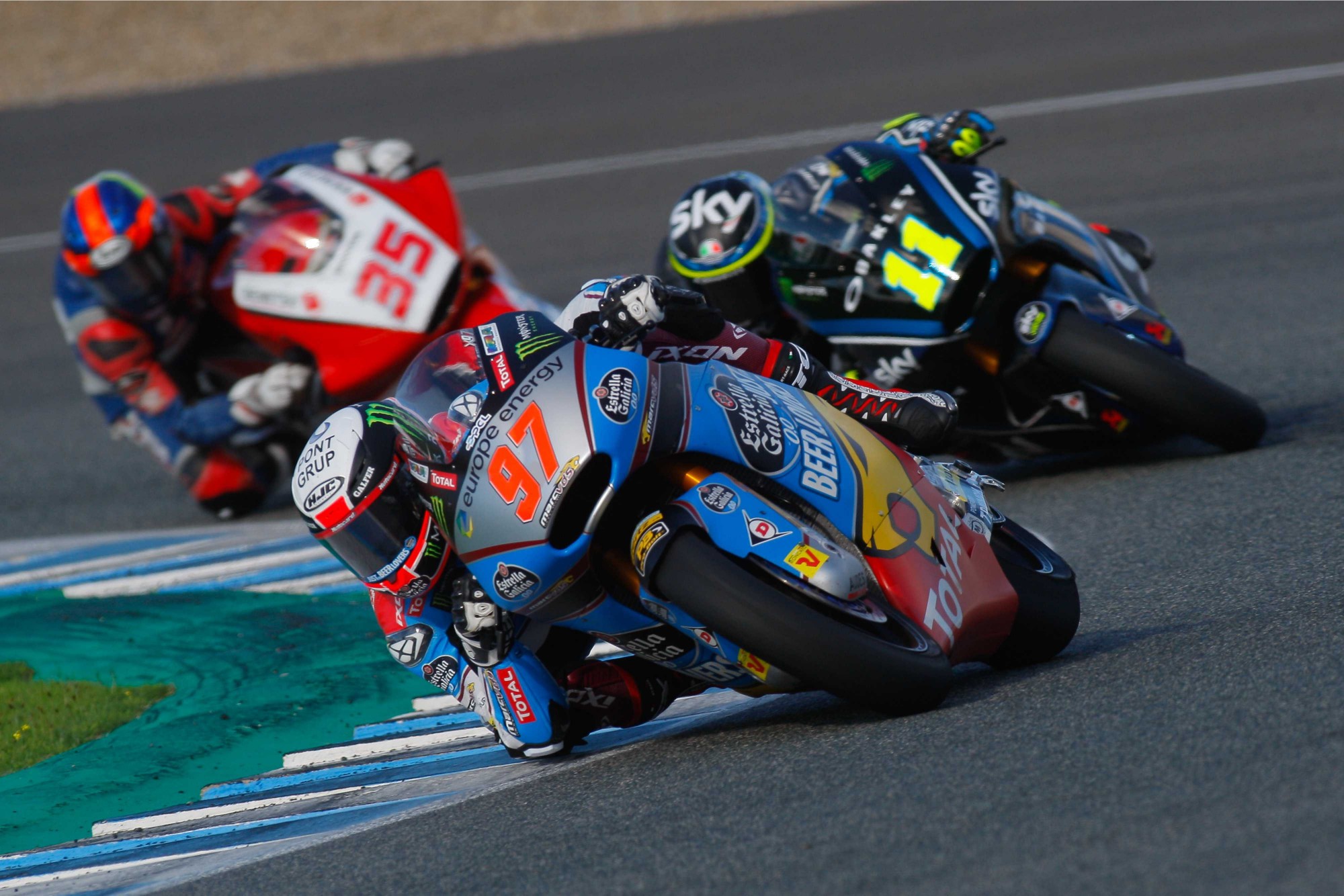
Moto2 World Championship: F.C.C. To Continue As Official Clutch Supplier Through 2021

F.C.C. to continue as official clutch supplier to Moto2™

New three-year agreement sees the Japanese company renew and deepen their commitment from 2019-2021

Dorna Sports is delighted to announce that F.C.C. will remain as clutch supplier for the Moto2™ World Championship, with a new three-year agreement signed for 2019 to 2021. The company entered the intermediate class in 2013 and this renewal means F.C.C. remain on board as Moto2™ begins an exciting new era; strengthening their commitment to Championship.

F.C.C. are a world leader in clutch technology headquartered in Hamamatsu, Japan. Founded in 1939, the company then began overseas development in 1988 and has since grown to include a network of 14 subsidiaries and 22 overseas production bases on 10 different countries. With a long history in motorsport, this renewed agreement to remain a partner Moto2™ adds another chapter to an incredible history of commitment to competition.

“This is a very honorable moment for the F.C.C.. The riders and staff who always do the best in race give us happiness and touch our heart. Utilizing the experience of clutch offering and technical support continuing from 2013, we will continue to contribute to the development of motorsports, with Moto2™ riders, staff and all motorsports fans.” says Toshimichi Matsuda, President of F.C.C. Co., Ltd..

“I’m delighted to see a company such as F.C.C. remain a partner of the Moto2™ World Championship,” says Danny Aldridge, MotoGP Technical Director. “With such a long history of involvement in motorsport and a reputation for excellence, they are the perfect supplier for the intermediate class of Grand Prix racing and we’re delighted to see them stay on board to play such an important role in this new era of Moto2.”

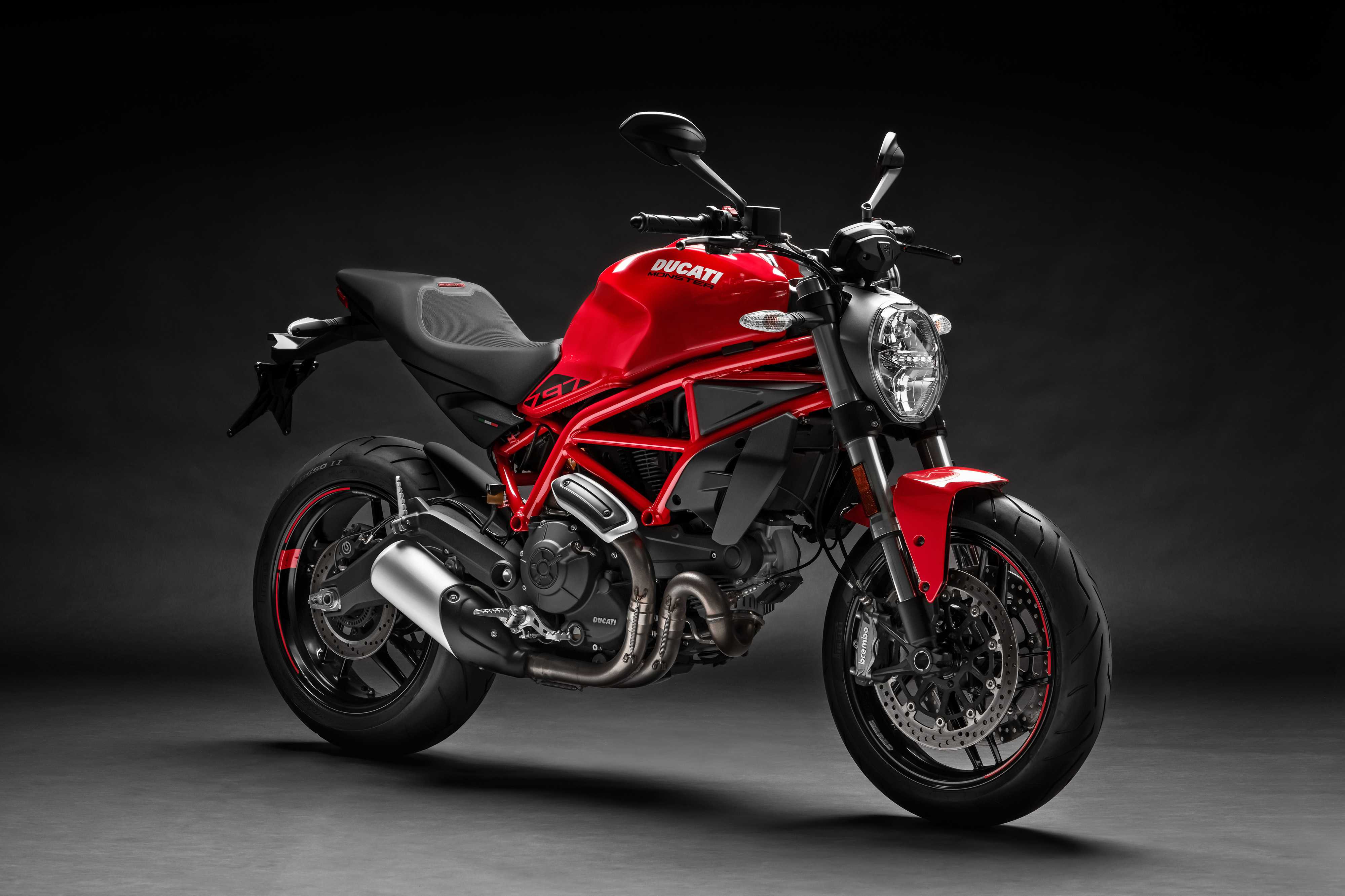
MotoAmerica: List Of Models Homologated For Twins Cup Released

Listing of MotoAmerica machines eligible for 2019 Twins Cup

TWINS CUP

MODEL PRODUCTION PERIOD AS FROM – UNTIL

Ducati Monster 797/797+  JAN 2017- PRESENT (Pending)

Harley Davidson Street 750  JAN 2014- PRESENT (Pending)

Harley Davidson Street Rod  JAN 2017- PRESENT (Pending)

Kawasaki EX650  JAN 2006-END (Complete)

Kawasaki Ninja 650  JAN 2012-END (Complete)

Kawasaki Ninja 650R  JAN 2017- PRESENT(Complete)

Suzuki SV650 S/A  JAN 2003-END (Complete)

Suzuki SV650/A  JAN 2016- PRESENT (Complete)

Suzuki SFV650 Gladius  JAN 2009- END (Pending)

Yamaha FZ-07/MT-07  JAN 2013- PRESENT (Complete)

Yamaha XSR700  JAN 2018- PRESENT (Complete) 

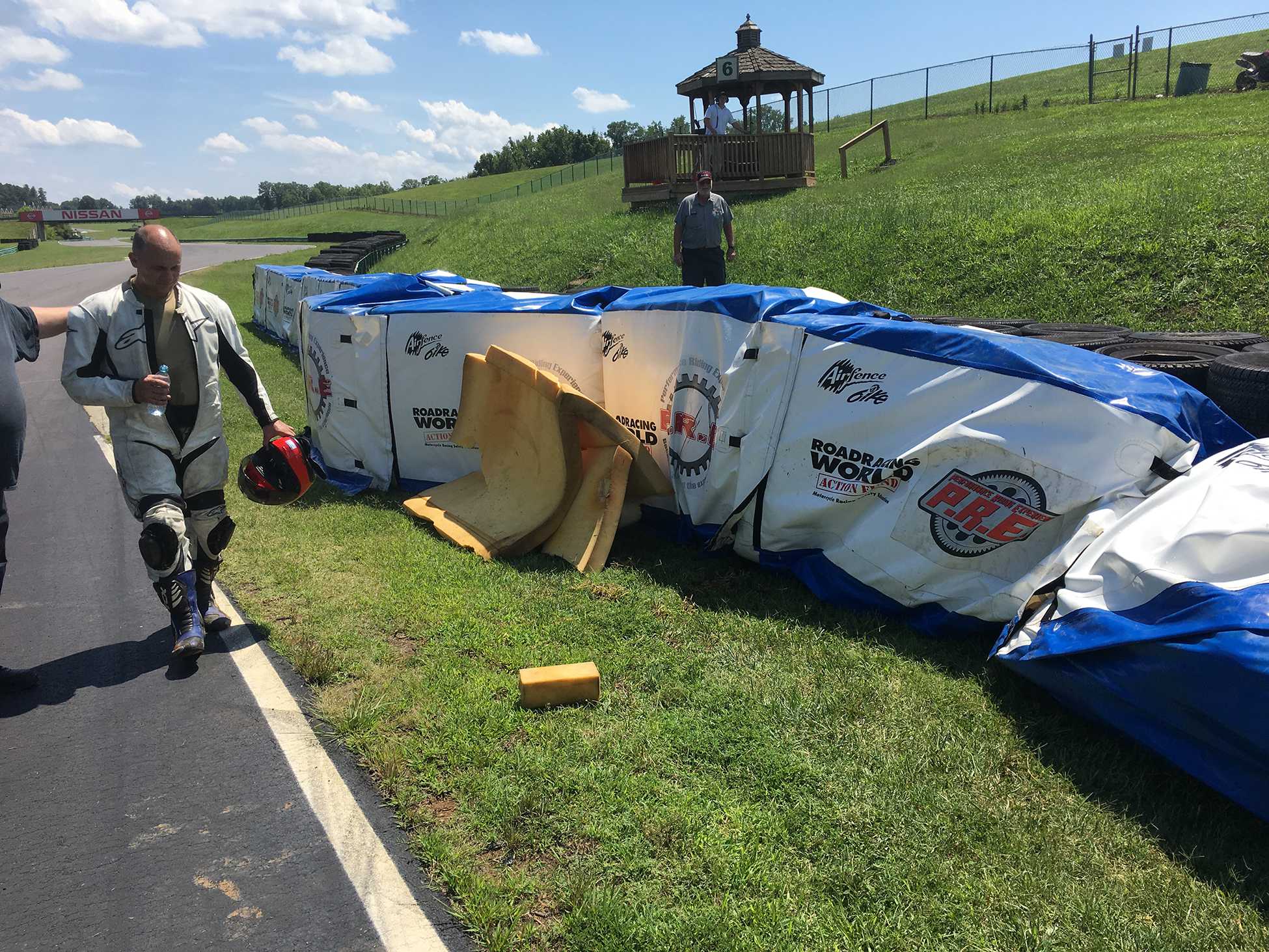
​Impact Barrier LLC Moving Bulk Of Airfence Safety Systems Operations To U.S.

By David Swarts

Impact Barrier LLC, a new entity formed by EvolveGT track day operators and business partners Alex Spellman and Mark Lienhard, is moving the bulk of Airfence Safety Systems operations, sales, service–and some manufacturing–to the United States.

Airfence Safety Systems was founded by Andy Coffey in 1991 in Australia, where all operations of the company and manufacturing took place. Later, manufacturing of Coffey’s patented, FIM-homologated soft barriers moved to a separate company Coffey established in South Korea, and both Airfence companies were run by Coffey, who also traveled the world doing sales and support.

Now, as Coffey is approaching retirement age and slowing down, he has agreed to transfer the bulk of Airfence Safety Systems operations to Impact Barrier LLC, according to Spellman.

“Andy’s 68 years old,” Spellman told Roadracingworld.com. “He isn’t going to come to the U.S. much anymore. He’s still dealing with Airfence in Australia and New Zealand, just because it’s easier logistically for him to do that, [but running the entire company is] too much for him to do anymore. It’s just too many emails, too many phone calls. Moving forward as time goes on it will be a complete transition, but as for now, we are going to be the eyes and ears of [Airfence Safety Systems]. He’s more of a silent partner in it, for now, to basically oversee the transition of it.”

Spellman said customers in Australia and New Zealand should still contact Airfence Safety Systems directly (www.airfence.com), but customers from any other part of the world, especially the U.S., should contact Impact Barrier in Ashland, Virginia, at (702) 602-4660, via email at [email protected] or at www.impactbarrier.com.

Impact Barrier is currently catching up on unanswered emails and unfulfilled orders sent to Airfence’s previous representative in the U.S. (who is no longer working with Airfence), said Spellman. At the same time, Impact Barrier is stocking up with all Airfence products, including repair and replacement parts, in preparation for the 2019 season while preparing to manufacture all Airfence products – to their original specifications.

Spellman says he hopes that by manufacturing Airfence products in the U.S. it will shorten the time it takes to fulfill orders, will lower the cost of the products through the elimination of import duties and the reduction of shipping costs, and will lead to more widespread use of soft barriers in this country.

“This whole thing was to make it easier for people in the States to get Airfence,” said Spellman. “We’re going to make it happen.”

Leinhard said Impact Barrier will also continue to work with and supply soft barriers to the not-for-profit Roadracing World Action Fund (RWAF)–which works to improve rider safety at racetracks by buying and deploying soft barriers–as needed, building on a 17-year working relationship between RWAF and Airfence.

“We’re proud of the part Airfence has played in improving rider safety by working with RWAF,” said Leinhard, “and we are really looking forward to continuing that important relationship while also providing sales and services to racetracks and organizations that wish to buy and deploy or repair existing sections of Airfence inflatable and non-inflatable self-supporting soft barriers.”

For more information on Impact Barrier LLC, please go to www.impactbarrier.com.

For more information on the Roadracing World Action Fund, a 501(c)3 non-profit, please go to www.roadracingworld.com/actionfund/.

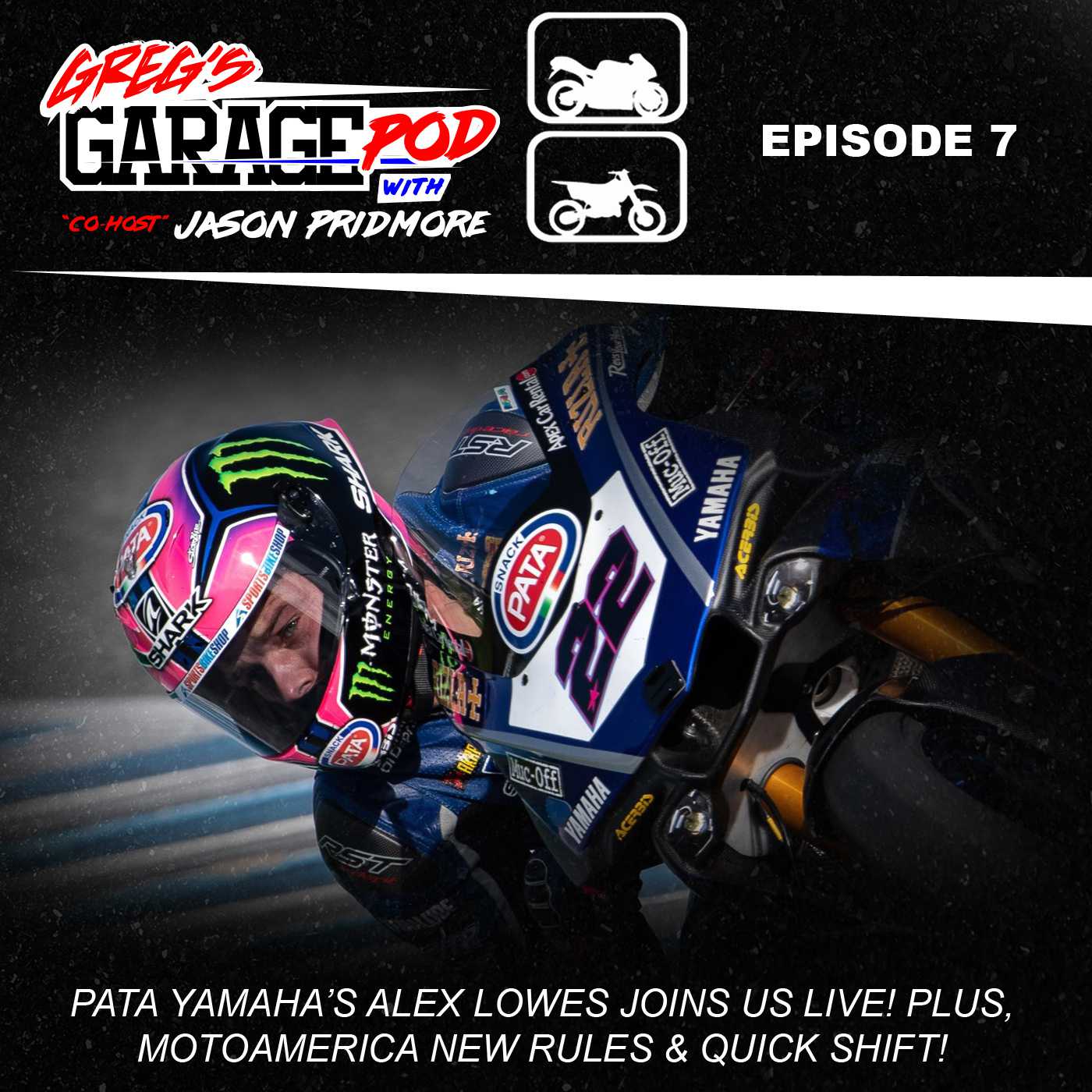
Podcast: Episode 7 Of Greg’s Garage Pod With Jason Pridmore

Greg’s Garage Pod with Co-Host Jason Pridmore – A motorcycle racing Pod about MotoGP, MotoAmerica and World Superbike and more. In this episode Co-Hosts Greg White and Jason Pridmore talk:

MotoAmerica – New rules package expected soon, including alternative homologated electronics package.

WorldSBK – The new 3 race weekend schedule plus points for the Sunday morning “Spring Race” and more!

WorldSBK – Superstar Alex Lowes (#22 PATA Yamaha) joins us live. We talk about his life, new sprint race, 2018, Suzuka 8 hour, looking forward and more.

Quick Shift p/b ARAI – Our quick Q&A session. 1. Honda gives Pedrosa bikes, thoughts? 2. John McGuiness tweets about Africa Twin, thoughts?. 3. Hector Barbera to Team Toth WorldSS, good for WorldSS? 4. Chad Reed races Monza Rally Show, thoughts? 5. From Watch MotoGP on BT Sport, Lorenzo on thoughts of retirement, what do you think?

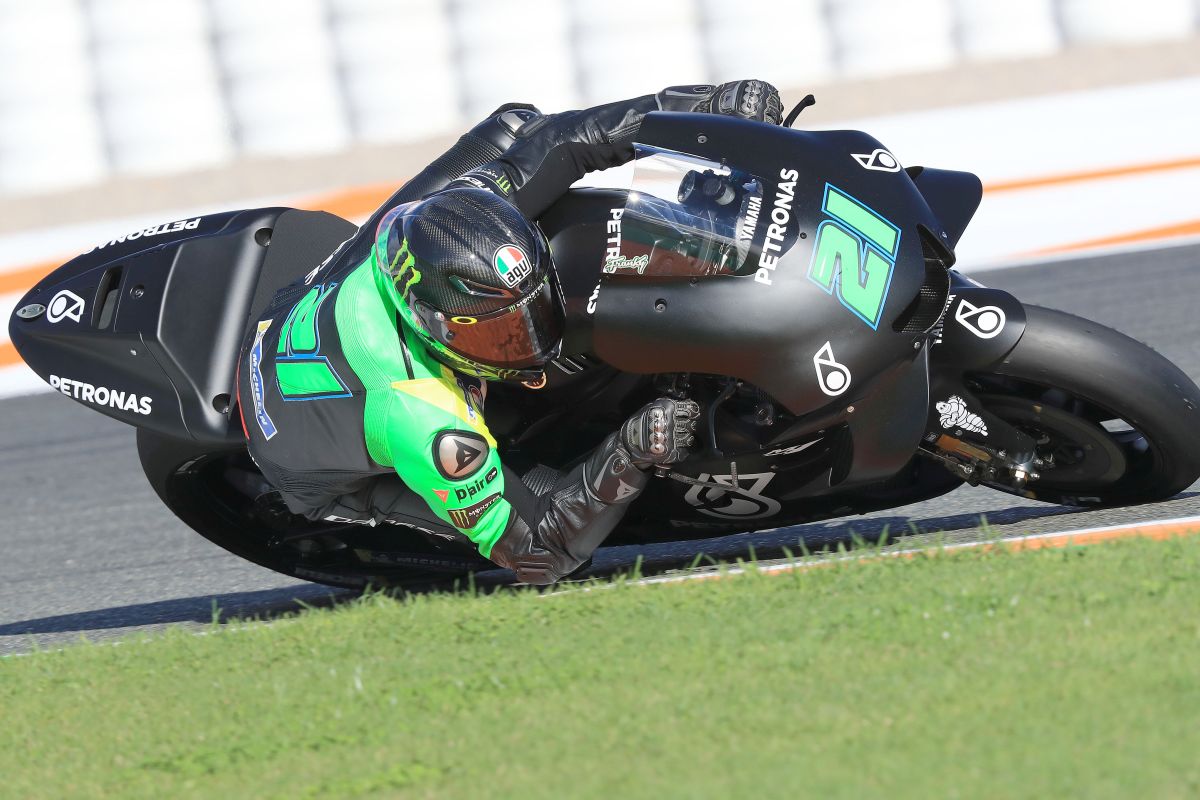
MotoGP: Franco Morbidelli Talks About His First Days With The Petronas Yamaha Sepang Team

“We will do our best to make our people proud of us”

Franco Morbidelli is feeling satisfied and optimistic about his first experience with the PETRONAS Yamaha SRT.

The Italian, riding for PETRONAS Yamaha Sepang Racing Team –the first Malaysian team in the MotoGP World Championship,– was one of the standout riders in the first 2019 preseason tests, which took place last month at Valencia and Jerez. Now enjoying a hard-earned winter break, Morbidelli discusses his role in this new project and in particular how the first few days have gone with his new team and his first laps on the Yamaha YZR-M1.

What did you think when you were first offered the opportunity to join this new project?

“I felt very happy when I received the call from my manager and he told me about this possibility. He told me about a new, ambitious project with good opportunities that could be a great challenge for me. From that moment I was interested in the structure of the new team and I spoke with the people at Yamaha.”

Do you feel like an important part of this new PETRONAS Yamaha SRT adventure?

“I feel like I am one of the people that has to make this a great project. I don’t feel like I have more or less responsibility than anybody else, we are all equally important. Each person has to do their job to the best of their ability to make PETRONAS, Yamaha, the partners and the fans proud of us.”

After your rookie season in MotoGP, do you feel more pressure for the season ahead?

“There is always pressure in this game, so yes I feel it but it’s not a problem – it is how this sport works.”

You recently spent two weeks testing with the team. How did you find the first few days together with them?

“Really good. I felt comfortable from the first day mainly because I have worked with the majority of staff already in other teams, so there were no big surprises for me. Also, the ones I haven’t worked with before I knew, and we have been speaking for a while.”

One of the team members that you haven’t worked with before is your crew chief Ramon Forcada. What is it like to work with such an experienced professional as him?

“It is going really well. So far we have only done four days of testing but the feeling is very positive. He is very experienced as a man and as a crew chief, so I am very curious to see how we can translate our work onto the track.”

What were your first impressions of the Yamaha YZR-M1?

“It is a very easy bike to take to the limit and this surprised me a lot. When you reach that extreme point it is the moment to work on how you push it further. That is when the real work starts.”

“I am excited to meet the fans in Malaysia because I know that the love they have for MotoGP is huge and I want to experience it first-hand alongside the team.”

Do you think you will have to change your riding style to adapt to this new bike?

“We still need more laps to understand perfectly how and what I need to change about my riding style. I think it will be a natural process, which we will take step by step, to see what I need to go faster.”

We could see at the test that you have good support from Yamaha Motor Co. This must be something very important for the team.

“Both at Valencia and Jerez, we had a lot of Yamaha staff on hand, working and helping us out in the garage. That’s a good thing because it means we can give them our feedback and all the information we have so that they can work in the right direction for next season.”

What are your expectations for the 2019 season?

“I think it is still too early to set our objectives, we have to wait and see how the next tests go in February and March. We are expecting new material for the next tests so we’ll have to try them out and see how we get on. Once preseason is over we will have a good idea where we can expect to be in the Grands Prix.”

Now you have two months until you next ride the bike. What is your plan for the time off?

“The idea is to rest, a lot and to spend time with my family and my people. I am also looking forward to going skiing for a few days with my friends.”

In a couple of months it will be time to head to Malaysia for the first time, which will be a very important moment for the whole team.

“The team presentation is planned for Malaysia, just before the test at the Sepang International Circuit, so I am really looking forward to seeing what kind of reception we get. I am excited to meet the fans in this country because I know that the love they have for MotoGP is huge and I want to experience it first-hand alongside the team.” 

British Supersport: American James Rispoli Not Returning To Race In UK In 2019

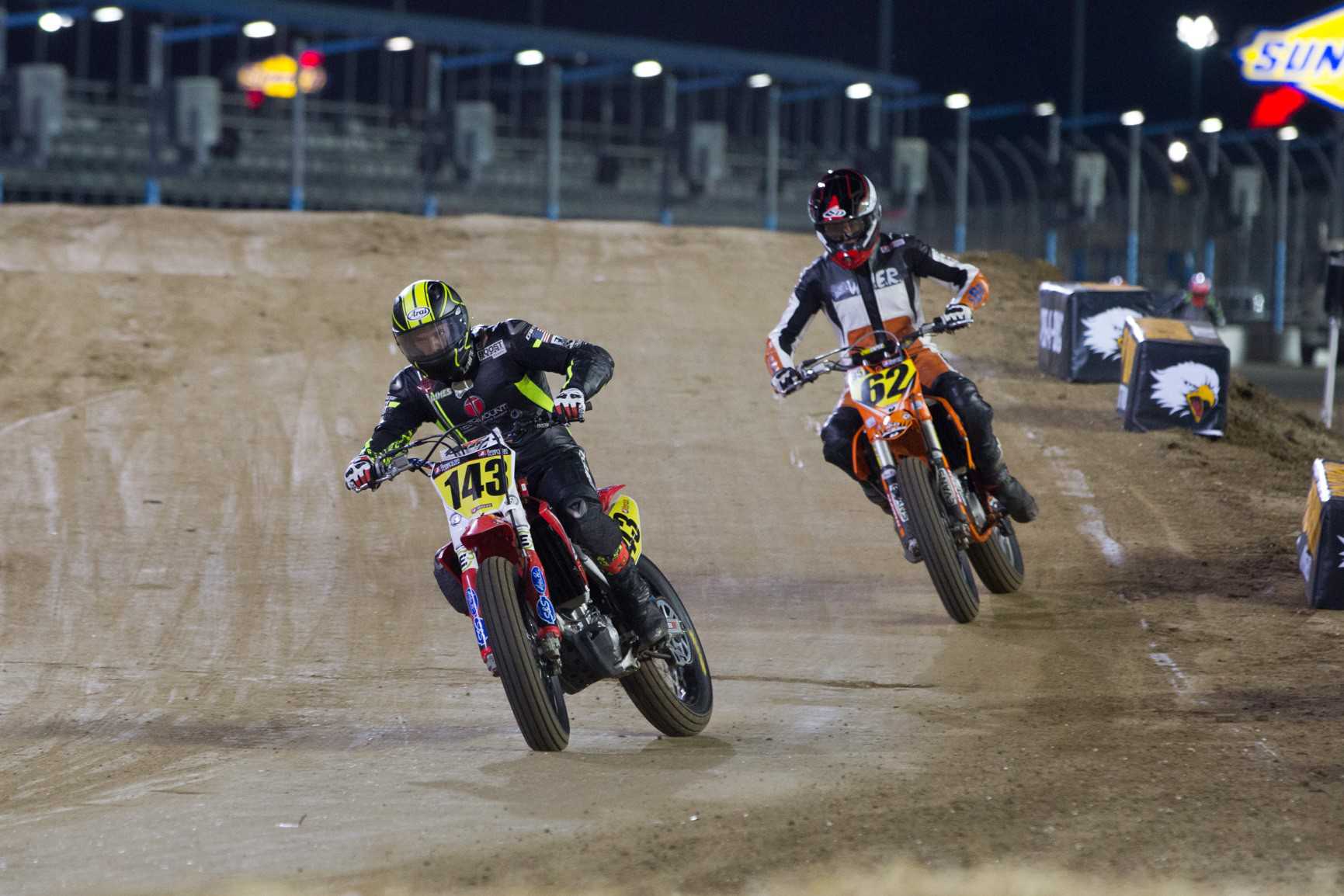
December 12, 2018—— Multi-disciplined, 2-time Road Race Champion, runner up Pro-Singles Flat-Track racer and Bonneville Salt Flats record holder James Rispoli will race Daytona Flat-track under the UK based KC74 Brand in the competitive American Flat Track Pro Singles series in March 2019.

Even with backing for the 2019 BSB season and scoring 7 podium finishes in 2018, James finds himself forced to step away due to the limited number of competitive seats available in the ultra-competitive British Supersport Series. James commented, “It’s crazy. The supersport series in the UK was getting back to being an extremely competitive class again with some world class riders coming back into the series. It’s unfortunate there weren’t enough seats at the top that were available, and we decided it best for me and our backers to look toward the future and see what 2020 will bring.” The goal said Rispoli, is to wild card various series to stay sharp and come back in 2020 for a title shot. Rispoli put out feelers for wild card rides in the USA for both MotoAmerica and American Flat track series as well as his second home in the British Superbike Series.

Backing for Daytona comes from Kieran Clarke, former British MX Champion, BSB & World Supersport racer turned Hollywood Stuntman. Clarke went on to say, “People don’t see the grind and sacrifice behind the scenes, that’s why James is part of my movie camera bike team not only because of his talents on the bike but personal qualities off the track as well.Racing has become a huge commercial enterprise and an exciting entertainment spectacle too. It’s a place where old-fashioned philanthropists with a romance for game are few and far between. We are building a bike to win, and at the end of the day racing has to be all about the racer being able to fulfill their talent & potential. In the end we are aiming for the top step.”

Kieran Clarke is a Screen Actors Guild & Taurus World Stunt Award nominee, a professional stunt performer/vehicle specialist, camera tracking bike rider, motorcycle coach and technical consultant. Kieran starred in his first movie role with the Eastwood Action stunt team on Mission: Impossible Rogue Nation. KC’s role as a motorcycle assassin also involved onboard camera tracking and motorcycle coaching Mr Tom Cruise. For more details www.kieran-clarke.com/

Kawasaki ZX-6R Intro: Return Of The $10,000 600-Class Sportbike

To read more articles like this one originally published in the December 2018 print issue of Roadracing World, subscribe to Roadracing World.

This feature article is brought you by Kawasaki Motors Corp., USA.

Kawasaki Motors Corp., U.S.A. (KMC) markets and distributes Kawasaki motorcycles, ATVs, side x sides, and Jet Ski® watercraft through a network of almost 1,100 independent retailers, with close to an additional 7,400 retailers specializing in general purpose engines. KMC and its affiliates employ nearly 3,100 people in the United States, with approximately 260 of them located at KMC’s Foothill Ranch, California headquarters.

Kawasaki’s tagline, “Let the good times roll.®”, is recognized worldwide. The Kawasaki brand is synonymous with powerful, stylish and category-leading vehicles. Information about Kawasaki’s complete line of powersports products and Kawasaki affiliates can be found on the Internet at www.kawasaki.com.


Copyright 2018-2019, Roadracing World Publishing, Inc.

Return Of The $10,000 600cc Sportbike

By Chris Ulrich

Few things have changed since the last time Kawasaki introduced a new ZX-6R. The motorcycle sales environment is still tough. Road racing is still working to recover. Kawasaki doesn’t have any official entry in top-level road racing in the United States. And some media outlets are still making stuff up.

We’ve all read the headlines about the demise of the 600cc inline four-cylinder. The tales were so convincing that they fooled the powers that be at Dorna and Moto­America into looking at an alternate class featuring Middleweight Twins instead of Inline Fours. But the stories were Fake News and manufacturers keep building and selling fully-faired middleweight category sportbikes. Honda, the biggest target of the fiction, recently announced the return of the CBR600RR as a 2019 model. Suzuki also continues to build and sell the shared-platform GSX-R600 and GSX-R750 models, and Yamaha introduced an upgraded YZF-R6 in early 2017. And now I’m writing about an upgraded 2019 model Kawasaki ZX-6R. All indicators show the middleweight supersport category is still alive and still relevant. In fact, it makes up roughly 25 percent of the fully-faired sportbike market. 

There is no denying that the sportbike segment of the industry has some challenges, but people are still buying and riding sportbikes and there is still a place for middleweight three and four-cylinder sportbikes in the market. That place is right between the entry-level sportbike class and the 1000cc sportbike category. The safest and most responsible way to progress in riding is by matching the rider’s skill level with the appropriate displacement. The industry needs models that new riders can graduate to from the 300cc-500cc category. And the argument about 1000cc bikes having enough electronics that anyone can ride them may be great for marketing, but is not the right approach to keep riders in the sport for the long haul. Advanced electronics do a great job at adding a safety net when turned all the way up, but the forces generated by the larger displacement 1000cc engines will always be greater, the power output higher, and the centripetal forces created by a heavier crankshaft, a large stater, and larger pistons will always make larger-displacement motorcycles harder to stop and turn than smaller-displacement motorcycles. And the greater torque and horsepower will always require more physical effort to control on corner exit, no matter how much somebody turns up the traction control—at least if you want the bike to actually move forward and behave in a natural way. It’s physics, plain and simple. 

Fully-adjustable front and rear Showa suspension — including new Separate Fork Function-Big Piston (SFF-BP) front forks–allowed Racing Editor Chris Ulrich to tweak the set-up and thus continually improve the 2019 Kawasaki ZX-6R’s racetrack performance at Las Vegas Motor Speedway. – Photo by Kevin Wing, courtesy of Kawasaki.

But in recent years, the typical price of 600cc sportbikes has crept up closer and closer to base-model 1000cc motorcycles, and that seems to have changed consumer behavior. A 600 seemed too expensive for the entry-level rider, so they went for the 400. Then they gravitated to a 1000 when looking to upgrade from a 400 because it seemed like a better dollar-to-performance value than a 600. People often underestimate the massive jump in performance between a 400cc and a 1000cc sportbike.

Kawasaki has decided to do something to bridge the gap and try to change consumer behavior by offering the 2019 non-ABS-model ZX-6R for $9,999, and selling the ABS models for between $10,999 and $11,299. For comparison, the base model ZX-6R is priced $1,399 below the 2019 Suzuki GSX-R600, which has the next-lowest-price in the category. It is also priced $1,799 below the Honda CBR600RR, and $2,199 below the segment’s sales leader, the Yamaha YZF-R6. At 636cc, the ZX-6R also competes with Suzuki’s GSX-R750, which sells for $2,499 more than the base model ZX-6R. You see a pattern here? Kawasaki’s pricing is aggressive. There is no doubt Kawasaki’s margin on the ZX-6R is lower, but the company is not passing the pain on to dealers—the dealer cost-to-MSRP spread for the 2019 model is close to what it was in previous model years. Kawasaki plans to make up for reduced margins by increasing the volume of units sold. That approach could be pure genius or a massive bust, and it will take some time to see how it really plays out in the marketplace and on Kawasaki’s balance sheets.

That lower base price doesn’t mean Kawasaki is shorting its racing contingency programs. Team Green will offer over $500,000 in contingency support for the 2019 ZX-6R in 13 series across the United States, including MotoAmerica, where the ZX-6R is eligible to run the Supersport class with no additional restrictions beyond the general technical rules.

Kawasaki’s new approach for the 2019 ZX-6R follows the industry trend of delaying new model redesigns in an effort to amortize the design and manufacturing costs. So now, instead of ground-up redesigns, we get upgrades that add performance and value, meant to keep consumers engaged without bankrupting the OEM. For 2019, Kawasaki added a quickshifter (KQS) system, changed the gearing, revised the engine mapping to meet Euro 4 emission standards, changed the ergonomics, added LED lighting, and updated the bodywork design. All are smart changes that improve sales appeal and keep the ZX-6R relevant.

Starting with the powerplant, the 2019 ZX-6R retains the same DOHC, 16-valve, liquid-cooled 636cc inline four-cylinder engine featuring a 67.0 mm x 45.1 mm bore and stroke and 12.9:1 compression ratio. Changes to engine mapping allow the ZX-6R to meet Euro 4 emissions standards without adding ride-by-wire throttle control or losing engine performance compared to the 2013 non-Euro 4 specification model. Kawasaki engineers aimed to improve the mid-range performance of the ZX-6R by changing the final drive gear ratio from 16/43 (2.688:1) to 15/43 (2.866:1). The primary and internal transmission gear ratios were unchanged. The 2019 retains the cable-operated F.C.C. slip-assist back-torque-limiting clutch.

Photo by Kevin Wing, courtesy of Kawasaki.

The electronics suite is also mostly unchanged for 2019. Four Kawasaki TRaction Control (KTRC) levels (1-3, plus off) are available on the ZX-6R, along with two power modes. Full Power offers—no kidding—full power while Low Power cuts available output to 80% of maximum horsepower. Between the KTRC and the power modes, the ZX-6R offers eight variations of power control. And while engineers added the previously mentioned Kawasaki Quick Shifter (KQS) unit that allows upshifts without having to close the throttle, there is no auto-blip functionality, so downshifts still have to be made the old-fashioned way, using the clutch.

Kawasaki is offering two-­versions of the 2019 ZX-6R with Kawasaki Intelligent Anti-lock Brake System (KIBS). The system uses inputs from wheel speed and brake pressure sensors, plus the ECU, to regulate the amount of brake pressure reduction when slippery conditions are present. 

The 2019 ZX-6R chassis remains mostly unchanged, with rake and trail for the twin-spar pressed aluminum frame remaining 23.5 degrees and 102 mm. The two-piece die-cast aluminum sub-frame and rear swingarm are also unchanged. The front suspension consists of 41 mm Showa Separate Fork Function-Big Piston (SFF-BP) front forks. The SFF-BP system separates the fork functions with the pre-load adjustment located only in the left fork leg, while damping adjustments are located only in the right fork leg. Both legs have springs and the fork piston size is 37.2 mm, which should in theory make the fork more sensitive to adjustments. A fully adjustable Showa gas-charged piggyback-reservoir rear shock works through a Kawasaki Uni-Track linkage.

The 2019 model’s wheelbase is slightly longer, changed from 54.9-inches (1,385 mm) to 55.1-inches (1,399 mm), courtesy of the previously mentioned, smaller, 15-tooth countershaft sprocket. The Kawasaki ZX-6R rolls on a set of Bridgestone Hypersport S22 radial tires.

The biggest changes made for 2019 come in ergonomics and bodywork. While the rider triangle—the relative location of the footpegs, handlebars, and seat—is unchanged, the seat length between the tail section to the fuel tank is slightly shorter. Kawasaki engineers also added a new clutch lever with five positions of adjustability. A redesigned upper fairing retains the Ninja’s large center air intake while adding LED headlights and improving wind protection for the rider. The new LED rear taillight was modeled after the unit used on the ZX-10R. Kawasaki will offer the ZX-6R in three colors, Metallic Flat Spark Black (non-ABS), Pearl Strom Gray Metallic Spark Black (Non-ABS, ABS), and the KRT edition.

All the changes add appeal to what was already a solid, well-performing bike in the category. Selling the base model 2019 Kawasaki ZX-6R for $9,999 has the potential to turn the middleweight Supersport category on its head.

***

Kawasaki chose Las Vegas as the background to launch the ZX-6R, first unveiling the new model the morning of the media day during the 2018 American International Motorcycle Expo (AIMExpo), then allowing journalists to ride the bike on the street and racetrack over two days.

The route selected for the street segment took us west out of Las Vegas toward Mount Charleston, climbing 8,000 feet before heading back to the city. The route consisted of highways, twisty mountain roads, slick and wet roads, and some city riding as we headed from and then back to the speedway. Our ride for the day was the $11,299 KRT model with ABS, which makes sense since the ABS function on most road-going motorcycles is designed for use on the street. I could tell the ZX-6R had a good balance of sport and comfort a few miles into the ride. Ergonomics were good during longer stints on the bike; my knees were not too cramped and the bar position allowed me to relax my shoulders and limit fatigue. Wind protection, even at high speed, was more than adequate.

The added torque from the engine having that extra displacement came in handy when accelerating onto the highway or jumping from light to light. Cruising down the highway in top gear, the engine also allows relatively brisk acceleration without having to downshift. And engine vibration reaching the rider also seems to be pretty minimal.

The Kawasaki ZX-6R’s 636cc engine produces more mid-range torque than a typical 600cc-class sportbike, giving a street rider more gear-selection options on twisty roads. Ergonomics, comfort, suspension, and tire performance are also good for road use. – Photo by Kevin Wing, courtesy of Kawasaki.

Twisty-road performance was good; the 636cc engine gives plenty of gear selection options, and the quick-shifter (up only) worked as expected. A negative I noticed while on the street ride was the engine temperature while going from stoplight to stoplight. Ambient temperatures were in the 80s and the bike was running up around 225-230 degrees Fahrenheit while sitting in traffic.

The ZX-6R has a stable chassis that worked well on the highway and through the canyon roads at a good clip, while the Bridgestone Hypersport S22 performed well in all conditions, including slick, cold, wet roads at the top of Mount Charleston. But it would be irresponsible to test the ZX-6R’s limits on public roads, so we headed to the Classic Course at Las Vegas Motor Speedway to find the true high-speed performance potential of the Kawasaki ZX-6R. 

It had been about nine years since the last time I turned a wheel around the Classic Course. The racetrack is short, made up of mostly second-gear corners with two straightaways and one fast, fourth-gear right off the back straight. I was able to get my head wrapped back around the track after a few laps. Going from the street to the track, Kawasaki put us on the base model with no ABS. It was a smart choice as we were there to test racetrack performance and most ABS systems are made for safety on the road instead of fast lap times around a racetrack. Bridgestone R11 DOT-labelled racing tires were set at 34 psi in the front and 24 psi in the rear (coming off the tire warmers) for the track sessions.

The first thing I noticed rolling out of pits was the engine. The torquey 636cc engine makes the ZX-6R more user-friendly on the track—especially for larger riders. The rider can rev the engine for absolute maximum performance, or leave the bike in a higher gear than normal and use the mid-range torque to smoothly accelerate out of a corner. The ZX-6R pulls hard until 14,500 rpm, signing off about 1,500 rpm before the claimed 16,000 rpm redline. On deceleration, the F.C.C. back-torque-limiting clutch handled everything I asked it to do, without the rear wheel stepping out during heavy braking. 

The handling characteristics and feel are the same as on Kawasaki 600cc models I’ve tested in the past. The bike is stable on the brakes and at the corner apex, but takes more effort to turn in and struggles to finish a turn. The 2019 version of the ZX-6R was no different at the start of the day. Once up to speed I made systematic changes to the set-up to improve steering and increase overall support from the suspension.

My first change was to add two turns of rear spring pre-load (from 6 positions in to 8 positions in) to improve overall steering at the apex and exit of the corner. Next on the agenda was to increase front pre-load (from 6 turns in to 8 turns in) to balance the bike and add braking support. Then I focused on improving front feel by changing the damping settings, and I had a Kawasaki tech add a half turn of rebound (from 4 turns out to 3.5 turns out) to control rate of return, then added half a turn (from 4.5 to 4 turns out) of compression for more support. We continued to tweak on the chassis as the sessions went on and I pushed harder. The next step was adding a 2 mm shim under the shock clevis. From there we added more front pre-load, settling on 12 turns in, until there was adequate support on the brakes without ruining the chassis balance. The middleweight Kawasaki responded well to raising the entire bike. 

The ZX-6R liked more spring preload at both ends as well as inserting a shim under the shock clevis. – Photo by Kevin Wing, courtesy of Kawasaki.

A big part of my comfort came from understanding the Showa SFF-BP forks. They work better than standard Showa BPF forks through the entire range of travel and have more feel at the bottom of the stroke at the apex. The adjustment range is also precise. At the rear, the ZX-6R has decent edge grip along with plenty of feel when the rear tire starts to spin. I was very comfortable allowing the rear to spin once I had the bike stood up and pointed on corner exit. And as the laps piled up and I got even more comfortable, I was able to eventually turn a 1:21 lap around Las Vegas. That’s a solid lap time for a standard, stock motor­cycle and it shows the high performance potential of the ZX-6R. Performance potential that comes with a $9,999 MSRP.

There’s nothing not to like about that!

The specification chart for the 2019 Kawasaki ZX-6R. Copyright 2018-2019, Roadracing World Publishing, Inc.
Roger Lyle’s Motorcycle Xcitement Track Days And Road Racing School Releases Its 2019 Schedule

Roger Lyle’s Motorcycle Xcitement Track Days and Road Racing School is proud to announce our 2019 dates at Summit Point Motorsports Park in Summit Point, West Virginia, and NCBIKE in Garysburg, North Carolina.

Motorcycle Xcitement has a 42-year history with Summit Point Motorsports Park in wild and wonderful West Virginia. We are looking forward to 15 track days and road race schools at the three road race tracks: the legendary Summit Point Raceway, Bill Scott’s Shenandoah Circuit and the new Jefferson circuit. Summit Point Motorsports Park’s current winter project is deer fencing around the 400 acre facility! Thanks to track manager Chris White and all the fine folks at Summit Point for their commitment to keep the dream alive!

Motorcycle Xcitement Track Days travels to Garysburg, North Carolina, to the fun and friendly NCBIKE for 4 weekends riding on their 14 turn 2.2 mile road course. On Saturdays we ride counter clockwise. On Sunday we ride clockwise direction. That’s two tracks in one location that wears out both sides of your tires! Thanks to track manager Sam True and his crew for a wonderful safe facility and smooth operations.

Motorcycle Xcitement would like to thank the John Ulrich family, the Roadracing World Action Fund, and everyone who contributed, for saving motorcyclists lives since 2001. Thank You.

From everyone at Motorcycle Xcitement, We wish you a healthy new year!

Peace,

Roger Lyle

www.motorcyclexcitement.com

301-933-2599

Motorcycle Xcitement Track Days and Road Racing School 2019 Calendar

March 31 Jefferson Circuit, Summit Point, West Virginia

April 1 Summit Point Raceway, Summit Point, West Virginia

May 12 Shenandoah Circuit, Summit Point, West Virginia

May 13 Summit Point Raceway, Summit Point, West Virginia

June 1 NCBIKE , Garysburg, North Carolina

June 2 NCBIKE, Garysburg, North Carolina

June 16 Shenandoah Circuit, Summit Point, West Virginia

June 17 Summit Point Raceway, Summit Point, West Virginia

July 4 Summit Point Raceway, Summit Point, West Virginia

July 20 NCBIKE, Garysburg, North Carolina

July 21 NCBIKE, Garysburg, North Carolina

August 4 Jefferson Circuit, Summit Point, West Virginia

August 5 Summit Point Raceway, Summit Point, West Virginia

September 7 Summit Point Raceway, Summit Point, West Virginia

September 8 Summit Point Raceway, Summit Point, West Virginia

September 29 Jefferson Circuit, Summit Point, West Virginia

September 30 Summit Point Raceway, Summit Point, West Virginia

October 19 NCBIKE , Garysburg, North Carolina

October 20 NCBIKE , Garysburg, North Carolina

October 27 Shenandoah Circuit, Summit Point, West Virginia

October 28 Summit Point Raceway, Summit Point, West Virginia

November 2 NCBIKE , Garysburg, North Carolina

November 3 NCBIKE , Garysburg, North Carolina

Canadian Superbike: Jordan Szoke Returns To Kawasaki Roots For 2019-2020

Szoke Signs Two Year Deal with Canadian Kawasaki Motors and Blackfoot Motorsports

Jordan Szoke, the winningest racer in National Canadian Superbike History signs a two-year deal to run his Mopar Express Lane backed super bike team with brand new equipment for the next two seasons. Szoke will defend his Mopar Canadian Superbike National Title with the redesigned 2019 Kawasaki Ninja ZX-10R backed by Blackfoot Motorsports.

“I am really excited about this new venture.” grins Szoke. “I started out my super bike career on a Kawasaki so it just seems fitting to finish it on Team Green.”

Szoke started his “real Superbike” debut on a 1993 model Kawasaki Ninja ZX-7RR in 1997 at Atlantic Motorsports Park. In turn bringing home his very first National Superbike Championship to Kawasaki in 1998. Szoke and Kawasaki had one of the most successful runs in Canadian History with a 4-year winning streak sweeping both the Superbike and Pro 600 titles from 2006-2009.

“Kawasaki and I are a good fit.” says Szoke. “It is an exciting step for our National Series to have Kawasaki involved in our Superbike program and also a positive step forward for the rest of our competitors and fans to enjoy another brand gunning for the top spot. There is life after sitting in the riders seat and I feel that Kawasaki and I are a good fit to grow together to stay involved within the industry after racing.”

“We are excited to have Jordan back on a Ninja, the bike that helped launch his superbike career back in the late 90’s,” says Brad Goodbody of Canadian Kawasaki Motors. “With the global racing success of the Kawasaki Ninja ZX-10R, and the improvements made on the 2019 model, we are really looking forward to seeing what Jordan and his Waznie Racing Team can do in the CSBK Championship.”

Szoke is quick to thank BMW Motorrad for their unwavering support for the past 7 seasons, saying, “We part on really good terms. Chris (Duff) and I were kids are the racetrack together. We’ve known each other for years. Him and I both want to see our sport thrive. I am extremely thankful for the 6 Championships and one World Race Trophy Title we brought home to Canada.”

Backing Kawasaki with their new venture is Blackfoot Motorsports. Blackfoot Motorsports is one of Canada’s largest power sports dealers located in Calgary, AB. Blackfoot has a rich racing heritage both on and off road, winning multiple championships both on the asphalt and the dirt.

“Having Blackfoot as a larger part of our efforts really makes me happy. Pat, Doug and Jason have always supported me my entire career, so to have them play a bigger role on our team, the fit just couldn’t be more perfect. I can’t wait to see them back at the racetrack again,” says Szoke.

Szoke continues his relationship with famed tuner Scott Miller of Fast Company. Miller has agreed to help prepare the horsepower for Szoke’s already powerful ZX-10R. “Scott and I have worked together during many different parts of my career. When it came time to find a tuner for our engines, it was a no-brainer, just call Miller. He was always part of my successes throughout my career so I am grateful to have him back on board.”

Jordan’s wife Amy Szoke made her debut on a Superbike last season, finishing 8th in the Amateur Superbike season overall. Amy will return to CSBK National racing, this time on a Kawasaki Ninja 400 in the Lightweight Sportbike Class.

When asked about her switch from Superbikes to Lightweights, Amy explained, “Running a Superbike is really (really) expensive. My program ran us deep into the red last season so this is a good alternative to just sitting in the pits making sandwiches. My heart truly lies with the big bikes so I wouldn’t rule out a return at some point.

“I’ve found a new passion in film (Amy is a stunt performer in movies and television) and with this program modification it allows me to commit better to both. Kawasaki had given me an opportunity to climb back into the saddle in the past and once again offer me the same opportunity. I am eternally grateful to the green machines for that.”

“Amy brings a level of professionalism, positivity, and skill to the Lightweight Sportbike class that we are very excited about. I believe, much like Ana Carrasco did in the FIM World Supersport 300 Championship, that Amy and the Ninja 400 are more than capable of running up front and contending for the championship,” says Goodbody.

Mopar Express Lane continues to remain the title sponsor and welcomes Kawasaki and Blackfoot Motorsports to Szoke’s Superbike efforts.

Suzuki Tri Series Continues This Coming Weekend At Manfeild Circuit

OVERSEAS STARS SURE TO GAIN SUZUKI SERIES MOMENTUM

The popular annual Suzuki Series kicked off near Taupo on Sunday with all the usual fizz, fanfare and frenetic race action and, despite the star power of the international entries, it was the Kiwi locals who emerged as the early frontrunners.

That’s not to say that any of these New Zealand riders can afford to rest of their laurels, however, with the riders visiting from overseas sure to grit their teeth and fight back at round two in the Manawatu this coming Sunday.

Manfeild Circuit Chris Amon, on the outskirts of Feilding, is the venue for racing this Sunday and the visiting riders from the United Kingdom, The Netherlands, Germany and Australia are determined to make the most of Saturday’s practice day to ensure they’re fighting fit and fast for the racing proper on Sunday.

The prestige of the Suzuki Series is such that, each year since the inaugural running in 2008, it entices many of the world’s leading road-race exponents to make the long journey Downunder.

This year has been no exception with British rider Peter Hickman certainly a draw-card, despite this being his first time racing in New Zealand.

Internationally-renowned Hickman won at the Isle of Man earlier this year, setting a new lap record, and also celebrated wins in 2018 at the North West 200 in Northern Ireland and at the Ulster Grand Prix.

Hickman is here to compete at all three rounds of the Suzuki Series, racing his BMW motorcycle under the Carl Cox Motorsports banner, although his first foray at Taupo last weekend was stymied by a little off-track excursion.

Running with the leaders in Sunday’s first of two Formula One Superbike class races, Hickman’s bike was clipped from behind by another rider and the two of them shot off the track and into the catch-gravel, often endearingly referred to by the riders as the “kitty litter”.

Hickman managed to rejoin the race and settled for 14th at the finish. He crossed the finish line in 11th position in race two, the heat of the race track surface playing havoc with tyre traction and the pace of Kiwi riders Mitch Rees, Damon Rees, Shane Richardson and Scott Moir simply outrageous.

This year’s Suzuki Series has also welcomed the return of likeable Liechtenstein rider Horst Saiger.

Saiger was absent for family reasons last year but he did win the Suzuki Series’ F1 class in 2014. However, his experiences at this year’s series opener in Taupo was not a good one.

Suffering issues with the set-up of his suspension, Saiger managed only 10th and 15th in his two F1 outings on Sunday, well below what everyone knows he is capable of.

Expect to see a very different Saiger at Manfeild this weekend, a circuit that has been a happy hunting ground for him in the past.

Another international star who has made the trip to New Zealand is British and world sidecar championship contender John Holden, who has again this year teamed up with Tauranga’s Robbie Shorter as his “wingman”.

Holden and Shorter won the sidecars’ F1 class at the 2016 edition of the Suzuki Series and it looks as if they already have one hand on the sidecars trophy this year too.

The Holden and Shorter combo qualified fastest in the F1 sidecars class at Taupo and then blitzed the field in winning both of Sunday’s points races.

British sidecar duo Phil Hyde and Gary Bryan also added international sparkle to the F2 sidecars class in what was their first Kiwi appearance last weekend, and they twice finished runners-up, both times behind Bay of Plenty heroes Barry Smith and Tracey Bryan.

“This year’s entry list is the largest we’ve had in the 10 years since the inaugural Suzuki Series. The popularity is global, particularly for the Cemetery Circuit final round on Boxing Day,” confirmed Suzuki Series organiser Allan ‘Flea’ Willacy.

Hundreds of talented racers, engineers and mechanics, team managers, sponsors and the many fans have all become engrossed in this special ‘mini’ season of pre-nationals racing and there are still two weekends of racing to come.

After Manfeild on Sunday, the Suzuki Series will wrap up with its traditional Boxing Day street races, around Whanganui’s famous Cemetery Circuit.

Leading standings after Sunday’s first of three rounds in the Suzuki Series are:

Formula One superbike: 1. Shane Richardson (Wainuiomata) 44 points; 2. Scott Moir (Taupo) 40; 3. Jake Lewis (Rangiora) 36.

Formula Two 600: 1. Damon Rees (Whakatane) 51 points; 2. Avalon Biddle (Waimakariri) 44; 3. Toby Summers (Manukau) 38.

Formula three: 1. Jacob Stroud (Palmerston North) 26 points; 2. Leigh Tidman (Taumarunui) 22; 3. Glen Skachill (Wellington) 20.

GIXXER Cup: 1. Jesse Stroud (Hamilton) 48 points; 2. Zak Fuller (Taupiri) 47; 3= Shane Miller (Sanson) and Clark Fountain (Greymouth) 38.

Post Classics, Pre-89, Senior: 1. Duncan Coutts (Whangarei) 51 points; 2. Peter Bogusz (Paraparaumu) 44; 3. Gian Louie (Hastings) 40.

Post Classics, Pre-89, Junior: 1. Scott Findlay (Auckland) 51 points; 2= Chris Sales (Palmerston North) and Dean Bentley (Lower Hutt) 42.

Bears (non-Japanese bikes) and Formula Sport, Seniors: 1. Brendon Coad (Auckland) 51 points; 2. Steve Bridge (Ngaruawahia) 40; 3= Brad Groombridge (Taupo) and Malcolm Bielski (Wellington) and Glen Eggleton (Rotorua) 35.

Bears (non-Japanese bikes) and Formula Sport, Seniors: 1. Gary Morgan (Te Awamutu) 45 points; 2. Stephen Bates 44; 3= Paul Jenkins (Kaikohe) and Robert Lammas (Palmerston North) 36.

Super Motard: 1. Duncan Hart (Tauranga) 51 points; 2. Jette Josiah (Taumarunui) 44; 3= Russell Josiah (Taumarunui) and Andrew Rudd (Ashburton) and Will Young (Wellington) 36.

F1 Sidecars: 1. John Holden and Robbie Shorter (England/Tauranga) 51 points; 2. Chris and Richard Lawrance (Warkworth) 42; 3. Ian Staples and Mark Thompson (Whanganui) 38.

F2 Sidecars: 1. Barry Smith and Tracey Bryan (Tauranga) 51 points; 2. Gary Bryan and Philip Hyde (Leceister, UK) 44; 3. Mark Halls and Darren Prentis (Auckland) 40.

Moto2 World Championship: F.C.C. To Continue As Official Clutch Supplier Through 2021

F.C.C. to continue as official clutch supplier to Moto2™

New three-year agreement sees the Japanese company renew and deepen their commitment from 2019-2021

Dorna Sports is delighted to announce that F.C.C. will remain as clutch supplier for the Moto2™ World Championship, with a new three-year agreement signed for 2019 to 2021. The company entered the intermediate class in 2013 and this renewal means F.C.C. remain on board as Moto2™ begins an exciting new era; strengthening their commitment to Championship.

F.C.C. are a world leader in clutch technology headquartered in Hamamatsu, Japan. Founded in 1939, the company then began overseas development in 1988 and has since grown to include a network of 14 subsidiaries and 22 overseas production bases on 10 different countries. With a long history in motorsport, this renewed agreement to remain a partner Moto2™ adds another chapter to an incredible history of commitment to competition.

“This is a very honorable moment for the F.C.C.. The riders and staff who always do the best in race give us happiness and touch our heart. Utilizing the experience of clutch offering and technical support continuing from 2013, we will continue to contribute to the development of motorsports, with Moto2™ riders, staff and all motorsports fans.” says Toshimichi Matsuda, President of F.C.C. Co., Ltd..

“I’m delighted to see a company such as F.C.C. remain a partner of the Moto2™ World Championship,” says Danny Aldridge, MotoGP Technical Director. “With such a long history of involvement in motorsport and a reputation for excellence, they are the perfect supplier for the intermediate class of Grand Prix racing and we’re delighted to see them stay on board to play such an important role in this new era of Moto2.”

MotoAmerica: List Of Models Homologated For Twins Cup Released

Listing of MotoAmerica machines eligible for 2019 Twins Cup

TWINS CUP

MODEL PRODUCTION PERIOD AS FROM – UNTIL

Ducati Monster 797/797+  JAN 2017- PRESENT (Pending)

Harley Davidson Street 750  JAN 2014- PRESENT (Pending)

Harley Davidson Street Rod  JAN 2017- PRESENT (Pending)

Kawasaki EX650  JAN 2006-END (Complete)

Kawasaki Ninja 650  JAN 2012-END (Complete)

Kawasaki Ninja 650R  JAN 2017- PRESENT(Complete)

Suzuki SV650 S/A  JAN 2003-END (Complete)

Suzuki SV650/A  JAN 2016- PRESENT (Complete)

Suzuki SFV650 Gladius  JAN 2009- END (Pending)

Yamaha FZ-07/MT-07  JAN 2013- PRESENT (Complete)

Yamaha XSR700  JAN 2018- PRESENT (Complete) 

​Impact Barrier LLC Moving Bulk Of Airfence Safety Systems Operations To U.S.

By David Swarts

Impact Barrier LLC, a new entity formed by EvolveGT track day operators and business partners Alex Spellman and Mark Lienhard, is moving the bulk of Airfence Safety Systems operations, sales, service–and some manufacturing–to the United States.

Airfence Safety Systems was founded by Andy Coffey in 1991 in Australia, where all operations of the company and manufacturing took place. Later, manufacturing of Coffey’s patented, FIM-homologated soft barriers moved to a separate company Coffey established in South Korea, and both Airfence companies were run by Coffey, who also traveled the world doing sales and support.

Now, as Coffey is approaching retirement age and slowing down, he has agreed to transfer the bulk of Airfence Safety Systems operations to Impact Barrier LLC, according to Spellman.

“Andy’s 68 years old,” Spellman told Roadracingworld.com. “He isn’t going to come to the U.S. much anymore. He’s still dealing with Airfence in Australia and New Zealand, just because it’s easier logistically for him to do that, [but running the entire company is] too much for him to do anymore. It’s just too many emails, too many phone calls. Moving forward as time goes on it will be a complete transition, but as for now, we are going to be the eyes and ears of [Airfence Safety Systems]. He’s more of a silent partner in it, for now, to basically oversee the transition of it.”

Spellman said customers in Australia and New Zealand should still contact Airfence Safety Systems directly (www.airfence.com), but customers from any other part of the world, especially the U.S., should contact Impact Barrier in Ashland, Virginia, at (702) 602-4660, via email at [email protected] or at www.impactbarrier.com.

Impact Barrier is currently catching up on unanswered emails and unfulfilled orders sent to Airfence’s previous representative in the U.S. (who is no longer working with Airfence), said Spellman. At the same time, Impact Barrier is stocking up with all Airfence products, including repair and replacement parts, in preparation for the 2019 season while preparing to manufacture all Airfence products – to their original specifications.

Spellman says he hopes that by manufacturing Airfence products in the U.S. it will shorten the time it takes to fulfill orders, will lower the cost of the products through the elimination of import duties and the reduction of shipping costs, and will lead to more widespread use of soft barriers in this country.

“This whole thing was to make it easier for people in the States to get Airfence,” said Spellman. “We’re going to make it happen.”

Leinhard said Impact Barrier will also continue to work with and supply soft barriers to the not-for-profit Roadracing World Action Fund (RWAF)–which works to improve rider safety at racetracks by buying and deploying soft barriers–as needed, building on a 17-year working relationship between RWAF and Airfence.

“We’re proud of the part Airfence has played in improving rider safety by working with RWAF,” said Leinhard, “and we are really looking forward to continuing that important relationship while also providing sales and services to racetracks and organizations that wish to buy and deploy or repair existing sections of Airfence inflatable and non-inflatable self-supporting soft barriers.”

For more information on Impact Barrier LLC, please go to www.impactbarrier.com.

For more information on the Roadracing World Action Fund, a 501(c)3 non-profit, please go to www.roadracingworld.com/actionfund/.

Podcast: Episode 7 Of Greg’s Garage Pod With Jason Pridmore

Greg’s Garage Pod with Co-Host Jason Pridmore – A motorcycle racing Pod about MotoGP, MotoAmerica and World Superbike and more. In this episode Co-Hosts Greg White and Jason Pridmore talk:

MotoAmerica – New rules package expected soon, including alternative homologated electronics package.

WorldSBK – The new 3 race weekend schedule plus points for the Sunday morning “Spring Race” and more!

WorldSBK – Superstar Alex Lowes (#22 PATA Yamaha) joins us live. We talk about his life, new sprint race, 2018, Suzuka 8 hour, looking forward and more.

Quick Shift p/b ARAI – Our quick Q&A session. 1. Honda gives Pedrosa bikes, thoughts? 2. John McGuiness tweets about Africa Twin, thoughts?. 3. Hector Barbera to Team Toth WorldSS, good for WorldSS? 4. Chad Reed races Monza Rally Show, thoughts? 5. From Watch MotoGP on BT Sport, Lorenzo on thoughts of retirement, what do you think?

MotoGP: Franco Morbidelli Talks About His First Days With The Petronas Yamaha Sepang Team

“We will do our best to make our people proud of us”

Franco Morbidelli is feeling satisfied and optimistic about his first experience with the PETRONAS Yamaha SRT.

The Italian, riding for PETRONAS Yamaha Sepang Racing Team –the first Malaysian team in the MotoGP World Championship,– was one of the standout riders in the first 2019 preseason tests, which took place last month at Valencia and Jerez. Now enjoying a hard-earned winter break, Morbidelli discusses his role in this new project and in particular how the first few days have gone with his new team and his first laps on the Yamaha YZR-M1.

What did you think when you were first offered the opportunity to join this new project?

“I felt very happy when I received the call from my manager and he told me about this possibility. He told me about a new, ambitious project with good opportunities that could be a great challenge for me. From that moment I was interested in the structure of the new team and I spoke with the people at Yamaha.”

Do you feel like an important part of this new PETRONAS Yamaha SRT adventure?

“I feel like I am one of the people that has to make this a great project. I don’t feel like I have more or less responsibility than anybody else, we are all equally important. Each person has to do their job to the best of their ability to make PETRONAS, Yamaha, the partners and the fans proud of us.”

After your rookie season in MotoGP, do you feel more pressure for the season ahead?

“There is always pressure in this game, so yes I feel it but it’s not a problem – it is how this sport works.”

You recently spent two weeks testing with the team. How did you find the first few days together with them?

“Really good. I felt comfortable from the first day mainly because I have worked with the majority of staff already in other teams, so there were no big surprises for me. Also, the ones I haven’t worked with before I knew, and we have been speaking for a while.”

One of the team members that you haven’t worked with before is your crew chief Ramon Forcada. What is it like to work with such an experienced professional as him?

“It is going really well. So far we have only done four days of testing but the feeling is very positive. He is very experienced as a man and as a crew chief, so I am very curious to see how we can translate our work onto the track.”

What were your first impressions of the Yamaha YZR-M1?

“It is a very easy bike to take to the limit and this surprised me a lot. When you reach that extreme point it is the moment to work on how you push it further. That is when the real work starts.”

“I am excited to meet the fans in Malaysia because I know that the love they have for MotoGP is huge and I want to experience it first-hand alongside the team.”

Do you think you will have to change your riding style to adapt to this new bike?

“We still need more laps to understand perfectly how and what I need to change about my riding style. I think it will be a natural process, which we will take step by step, to see what I need to go faster.”

We could see at the test that you have good support from Yamaha Motor Co. This must be something very important for the team.

“Both at Valencia and Jerez, we had a lot of Yamaha staff on hand, working and helping us out in the garage. That’s a good thing because it means we can give them our feedback and all the information we have so that they can work in the right direction for next season.”

What are your expectations for the 2019 season?

“I think it is still too early to set our objectives, we have to wait and see how the next tests go in February and March. We are expecting new material for the next tests so we’ll have to try them out and see how we get on. Once preseason is over we will have a good idea where we can expect to be in the Grands Prix.”

Now you have two months until you next ride the bike. What is your plan for the time off?

“The idea is to rest, a lot and to spend time with my family and my people. I am also looking forward to going skiing for a few days with my friends.”

In a couple of months it will be time to head to Malaysia for the first time, which will be a very important moment for the whole team.

“The team presentation is planned for Malaysia, just before the test at the Sepang International Circuit, so I am really looking forward to seeing what kind of reception we get. I am excited to meet the fans in this country because I know that the love they have for MotoGP is huge and I want to experience it first-hand alongside the team.” 

British Supersport: American James Rispoli Not Returning To Race In UK In 2019

December 12, 2018—— Multi-disciplined, 2-time Road Race Champion, runner up Pro-Singles Flat-Track racer and Bonneville Salt Flats record holder James Rispoli will race Daytona Flat-track under the UK based KC74 Brand in the competitive American Flat Track Pro Singles series in March 2019.

Even with backing for the 2019 BSB season and scoring 7 podium finishes in 2018, James finds himself forced to step away due to the limited number of competitive seats available in the ultra-competitive British Supersport Series. James commented, “It’s crazy. The supersport series in the UK was getting back to being an extremely competitive class again with some world class riders coming back into the series. It’s unfortunate there weren’t enough seats at the top that were available, and we decided it best for me and our backers to look toward the future and see what 2020 will bring.” The goal said Rispoli, is to wild card various series to stay sharp and come back in 2020 for a title shot. Rispoli put out feelers for wild card rides in the USA for both MotoAmerica and American Flat track series as well as his second home in the British Superbike Series.

Backing for Daytona comes from Kieran Clarke, former British MX Champion, BSB & World Supersport racer turned Hollywood Stuntman. Clarke went on to say, “People don’t see the grind and sacrifice behind the scenes, that’s why James is part of my movie camera bike team not only because of his talents on the bike but personal qualities off the track as well.Racing has become a huge commercial enterprise and an exciting entertainment spectacle too. It’s a place where old-fashioned philanthropists with a romance for game are few and far between. We are building a bike to win, and at the end of the day racing has to be all about the racer being able to fulfill their talent & potential. In the end we are aiming for the top step.”

Kieran Clarke is a Screen Actors Guild & Taurus World Stunt Award nominee, a professional stunt performer/vehicle specialist, camera tracking bike rider, motorcycle coach and technical consultant. Kieran starred in his first movie role with the Eastwood Action stunt team on Mission: Impossible Rogue Nation. KC’s role as a motorcycle assassin also involved onboard camera tracking and motorcycle coaching Mr Tom Cruise. For more details www.kieran-clarke.com/