

An inspirational video from Honda Racing Corporation (HRC) during the COVID-19 global pandemic.
© , Roadracing World Publishing, Inc.
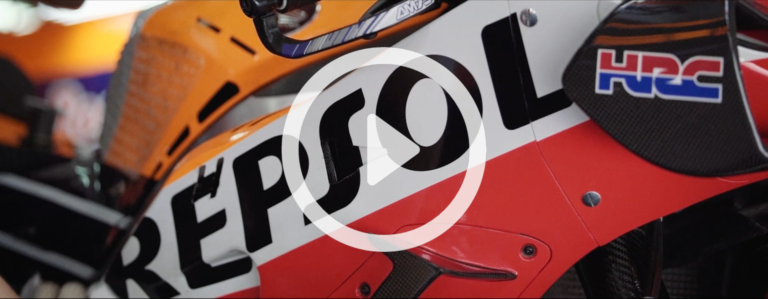
An inspirational video from Honda Racing Corporation (HRC) during the COVID-19 global pandemic.
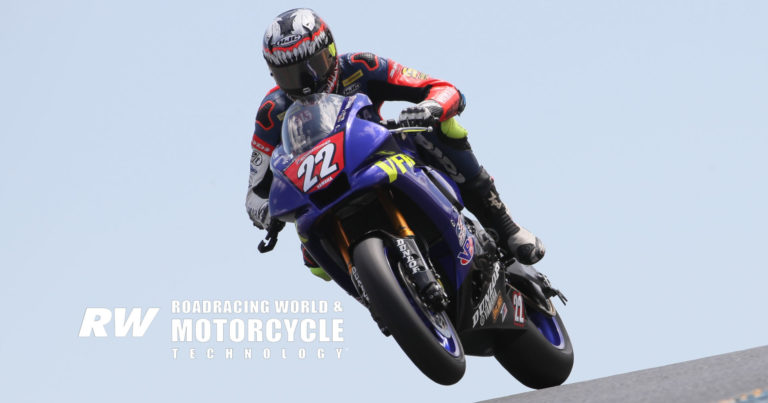
By David Swarts
When the 2020 MotoAmerica Superbike Championship begins there will be some familiar faces on the grid, but there will also be a whole lot of newness: New bikes, new teams, new crew chiefs, and new classes.
To help preview the season, we’ve enlisted the help of Josh Hayes.
Not only has Hayes won four AMA Pro Superbike Championships, he’s won a total of 83 AMA Pro/MotoAmerica races and three support class titles; raced in the Endurance World Championship; run at the front in Supersport World Championship races; and finished seventh while competing in his first MotoGP race as a substitute rider at Valencia in 2011.
More recently, Hayes won two races at the International Island Classic vintage event in January of this year at Phillip Island; raced at the front throughout the 2019 Daytona 200 and was on provisional pole position for the 2020 Daytona 200; and finished on the podium in the MotoAmerica Supersport class in 2019.
When he’s not racing, Hayes is a rider coach for top competitors, including Bobby Fong and Jake Gagne, as well as working with Garrett Gerloff.
And if these weren’t enough qualifications to preview the upcoming season, Hayes rode in place of injured Mathew Scholtz on Westby Racing’s 2020-model Yamaha YZF-R1 Superbike during the official MotoAmerica pre-season test at Barber Motorsports Park in March. So, he’s had a close look at most of the field.
This preview series is highlighting one Superbike or Superbike Cup/Stock 1000 rider each day, but it will not feature every rider entered in the two classes.

Ashton Yates
Ashton Yates started racing as a Pro in the 2015 MotoAmerica KTM RC Cup, which was run on KTM RC 390 motorcycles built and tuned under tightly restricted rules, including the use of approved KTM race kit parts and spec Dunlop tires.
Ashton Yates, then 16, didn’t immediately set the world on fire in his debut season. Some thought it was the fact that he was larger than many of his competitors, but late in the season it was discovered that he was near-sighted and needed to wear corrective lenses when he was riding to see things in the distance, like brake markers. Once he started wearing glasses while on track, Yates’ riding instantly went up to a new level, and he then qualified on the front row at the season finale at New Jersey Motorsports Park, and ran at the front all weekend.
Yates didn’t get the strongest start when he returned for the 2016 KTM RC Cup, but once he found his stride, Yates won three races, took 10 total podium finishes in 15 races, and placed third in the final Championship standings.
Riding for a team run by his father, multi-time AMA Pro Road Racing Champion Aaron Yates, and his grandfather, former racer Luckey Yates, Ashton Yates moved up to MotoAmerica’s Superstock 600 category in 2018 on a Yamaha YZF-R6 supported by long-time sponsor GPtech. This ended up being a learning year for Yates, who took five top-10 finishes in 2017.
In 2018, Ashton Yates pulled double duty (like his father and many of the top stars did years ago) by moving up to the MotoAmerica Supersport class on his Yamaha and also racing in the new MotoAmerica Junior Cup on one of Kawasaki’s new Ninja 400s.
The Ninja 400 was the bike to be on and Yates made the most of it, winning three races and getting on the podium four other times, but he said he never got along perfectly with the spec front Dunlop used in Junior Cup and crashed out of race leads four times. In Supersport, meanwhile, Yates earned a podium finish in wet Race Two at Road Atlanta, making him one of the only racers in recent memory to podium in two different AMA or MotoAmerica classes in the same season.
Yates started out the 2019 season focusing on his Yamaha YZF-R6 in the MotoAmerica Supersport class, and he earned a few top-10 finishes. Then halfway through the year, Yates was recruited to ride the Vic Fasola Racing (VFR) Yamaha YZF-R1 in MotoAmerica’s Stock 1000 class. Yates immediately got comfortable on the more powerful machine and claimed a runner-up finish at Pittsburgh International Race Complex, giving Yates podium finishes in four different MotoAmerica classes on four different motorcycles over the span of four seasons.
Yates’ ability to adapt to new motorcycles will come in handy again in 2020 as the Georgian is slated to race a 2019 Honda CBR1000RR SP supplied by Jones Honda in MotoAmerica’s Stock 1000 and the Superbike Cup classes. And Yates said Jones Honda may supply him with a 2020 Honda CBR1000RR-R Fireblade SP, the homologation special, when it becomes available.
Yates, now 21, clearly has riding skills, but putting together a full season of racing at the front on a 1000cc machine – in two different classes – is a tough challenge for anyone, especially a young rider on a privateer team.
“I don’t think it matters which CBR1000RR he’s on,” said Hayes. “Either way, he’s probably going to have a pretty decent motorcycle. I’ve always believed that the Honda is capable, but there are a few things that are particular about the bike and if you can get the most out of them you can do good things with it.
“Watching Ashton ride, it’s clear he’s a Yates. He’s a bruiser with the machine. My memory of riding a Honda was you got from it what you asked of it. You could grind on it. The harder you tried, the more effort you put into it, the more performance you got in return from the Honda, which lends to Ashton well.
“Other machines have been a little bit different, in my experience. The Yamaha is from the tuning fork company. It is refinement, and you couldn’t force it. Sometimes you had to be nice to it and play with it the way it wanted to be played with to get it to go really fast. You couldn’t bend its will.
“So, if that is still true to the DNA of the Honda it could work out quite well for him.
“But like I talked about with Kyle Wyman, there’s not a lot of Hondas being raced at a high level right now so there’s not a lot of information to draw from. And you’re looking at a young guy who may or may not know how to convey what he needs from the motorcycle to go faster and what he needs to work on as a rider and which is which. That’s a very difficult thing to learn and figure out.
“Guys like me got so much experience by riding endurance bikes for hours at a time that we shared with three other people. And that’s just one of the many different things that I went through during my career that helped me play this game and figure those things out that Ashton might not have available to him. His success in 2020 will be a matter of just how well he and his team play the game.”
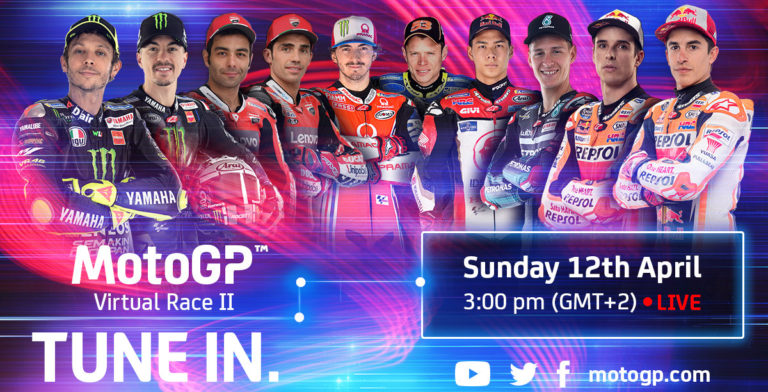
MotoGP™ Virtual Race 2: get ready for more!
The full lowdown on the second eSports event, set to be broadcast on Sunday
Wednesday, 08 April 2020
Following the overwhelming success of MotoGP™’s first ever Virtual Race, a second event was recently announced and it’s now getting closer – with lights out at 15:00 (GMT +2) on Sunday the 12th of April. Another cast of premier class superstars will be lining up, with a few returning from the first race – like reigning MotoGP™ World Champion Marc Marquez – and a few new faces taking on the competition too, including the likes of Valentino Rossi (Monster Energy Yamaha MotoGP) and Danilo Petrucci (Ducati Team). As ever, the riders will be playing on the official MotoGP™19 Videogame from videogame developer, publisher and longstanding partner Milestone, with MotoGP™20 set for launch soon on Friday the 23rd of April.
For Race 2, it’s the Red Bull Ring that plays host as the riders take on the digital rendition of the stunning Styrian track, with the race length set to 10 laps. Just like in the first event, a five-minute qualifying session in time-attack mode will decide the grid positions before the lights go out, although as we saw in Race 1 there’s far more to winning that just being the fastest! And remember, there’s nowhere to hide – with each rider live on the stream throughout the broadcast.
The second event will be shown in full on Sunday the 12th of April at 15:00 (GMT+2), with qualifying broadcast before the race. Fans can watch on motogp.com and esport.motogp.com, on selected TV broadcasters, and across social media platforms including YouTube (via the MotoGP and MotoGP eSport channels), MotoGP eSport Twitter, Instagram, and Facebook (via both the MotoGP and MotoGP eSport pages). An Instagram Live with the winner will debrief fans soon after the race too, at 16:00!
Broadcasters will include SKY Italy, Canal+ in France, DAZN in Spain, Italy and DACHS, BT Sport in the UK, ServusTV in Austria and Germany, OTE in Greece, SwissTV in Switzerland, SportTV in Portugal, Sport5 Israel, Sportklub in Serbia, MTV Finland, NBC in the USA, ESPN in Latin America, Trans TV in Indonesia and Fox Asia, amongst others.
Once again, the riders will each be playing via a private “Race Direction” lobby, set up to invite each rider to the event and send them the bike settings.
The line-up:
Repsol Honda Team: Marc Marquez, Alex Marquez
Ducati Team: Danilo Petrucci, Michele Pirro
Monster Energy Yamaha MotoGP: Valentino Rossi, Maverick Viñales
Petronas Yamaha SRT: Fabio Quartararo
Pramac Racing: Francesco Bagnaia
LCR Honda Idemitsu: Takaaki Nakagami
Reale Avintia Racing: Tito Rabat
Keep up to date with everything across social media platforms as the riders get ready to suit up – virtually – and see who takes the second ever Virtual Race win on Sunday at 15:00 (GMT+2). And don’t forget, the winner will then go LIVE on Instagram with MotoGP™ to debrief at 16:00!
Featured In the April 2020 issue of Roadracing World:
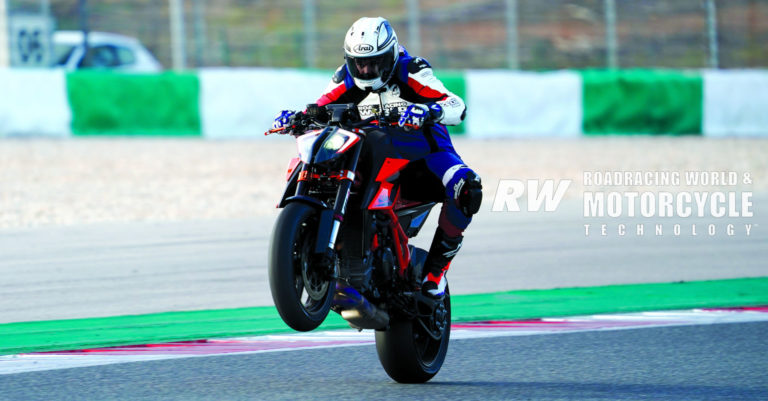
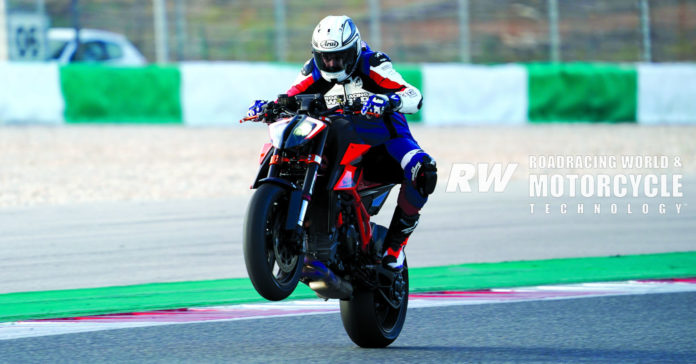
“The 1290 Super Duke R is a one of-a-kind hyper-naked motorcycle, unlike anything else on the market. With an updated, rowdy 1301cc V-Twin engine—a lot of displacement for any motorcycle—improved electronics, and a new chassis, it’s made to carve up twisty roads and rip around the racetrack as well as cruise through the countryside or head into the city, with a lot of power wheelies along the way.
“KTM engineers are unapologetic about it, giving the Super Duke R the nickname of Beast; this 2020 model is the third version of the Super Duke R, so they’ve designated it Beast 3.0.
“On the spec sheet, on the road, and on the racetrack, the Super Duke R is an exciting motorcycle …”
—Bike Intro, KTM 1290 Super Duke R: Beast Mode! By Chris Ulrich
Beast Mode is official factory policy at KTM, and the latest 1290 Super Duke R demonstrates that the Austrian factory is dedicated to that policy without reservation. Racing Editor Chris Ulrich sampled the new beast on the street and on the track. Find out how he got along with the biggest beast in KTM’s catalog— it’s all in the latest issue of Roadracing World!
Roadracing World & Motorcycle Technology is THE definitive source for motorcycle racing, riding, and tech information.
PREVIEW the April 2020 issue of Roadracing World & Motorcycle Technology!
Roadracing World & Motorcycle Technology magazine is available in print and digital formats.
Log in or subscribe HERE.
Or call (909) 654-4779, 9:00 a.m. – 5:00 p.m. Pacific Time, Monday through Friday.
Visit www.roadracingworld.com daily for breaking news and events.
Like us on Facebook https://www.facebook.com/roadracingworld
Follow us on Twitter: https://twitter.com @roadracingworld
Follow us on Instagram https://instagram.com @roadracing_world

By Michael Gougis
Round Three of the 2014 GEICO Motorcycle Superbike Shootout Presented by Yamaha, the Arai Mountain Nationals, was held May 24-25 at Miller Motorsports Park, in Tooele, Utah. This is the broadcast video coverage of Dynojet Pro Sportbike race three, which aired on MAVTV.
The three-round televised series was set up by race team owner John Ulrich and racer Chris Ulrich, to fill an 11-week gap in the 2014 AMA Pro Racing schedule, which initially consisted of five rounds without any TV coverage, with no rounds west of the Mississippi River (the AMA Series later picked up a sixth round, at Laguna Seca, again without TV). Each Superbike Shootout round included one Superbike and one Sportbike race (along with dedicated practice and qualifying sessions for each class) dropped into an existing club race weekend run by WERA at Auto Club Speedway in Fontana, California; AFM at Sonoma Raceway in Sonoma, California; and USBA at what was then known as Miller Motorsports Park in Tooele, Utah.
Teams and riders needed TV coverage to maintain sponsorship, and getting that coverage was a major goal of the series. The father/son duo started a new business unit, Team Hammer Promotions, hired Greg White’s production company to produce six one-hour TV shows, covering the Superbike and Sportbike races from each round, with White and Jason Pridmore commentating and Laurette Nicholl handling pit reporting. John and Chris Ulrich met with the president of MAVTV and reached an agreement for the network to broadcast each show, one per week, on consecutive Thursday nights, and to then repeat the series. After seeing the shows, MAVTV decided to broadcast each show an additional four times, totaling 36 hours of TV coverage for the series. Chris’ sister Natalie Ulrich was recruited to sell series and event sponsorship as well as TV commercials.
By all accounts, the series and the shows were a success, and played a part in keeping professional road racing alive in the United States. There were plans to run a 10-round Superbike Shootout Series in 2015. But when MotoAmerica was founded, bought the AMA Pro Racing series, and announced it would take over running the AMA series starting in 2015, John and Chris Ulrich decided to support MotoAmerica and go back to concentrating on running the family’s race team, known as Team Hammer, Inc. The rest is history…
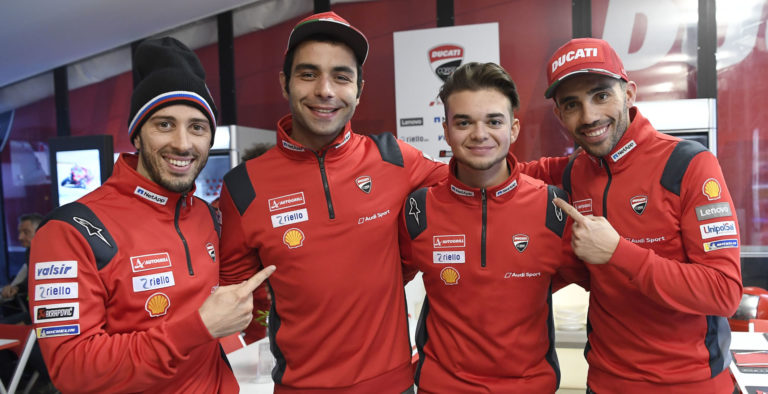
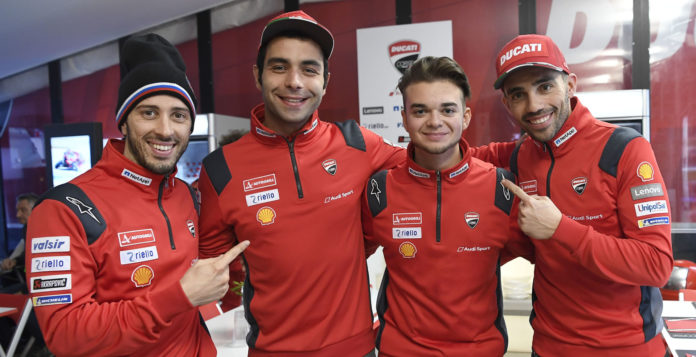
Ducati Corse steps into the eSport world with the current MotoGP World Champion AndrewZh
Ducati is pleased to announce the born of the official Ducati Corse team of eSport. The line-up of the new squad will see current World Champion Andrea Saveri, also known as AndrewZh, attempting to confirm the world title conquered last year, now as an official rider of Ducati Corse eSport.
AndrewZh confirmed yesterday his participation to the final challenge of the World Championship after finishing eighth in the “ProDraft” classification, and he will be part of a group of 11 gamers that will compete for the title this season.
It was quite natural that Ducati and AndrewZh were meant to cross their paths. Andrea was born in Bologna 19 years ago. He is a motorcycle enthusiast, he lives a few kilometres away from Borgo Panigale, and his family has always been “Ducatista”.
Since his debut in the eSport, AndrewZh has always been a key player in all the MotoGP World Championship editions. In 2018 he classified third, and last year he finished first, controlling a Desmosedici GP bike, even if at that moment he still wasn’t an official Ducati rider.
This year Ducati and AndrewZh’s goal is to keep the world title conquered last season in the final meeting in Valencia. In the two races held, he was able to master the pressure put on him by his rivals taking the final victory with two points on the second classified.
Apart from following all the battles on the screens, fans will be able to know more AndrewZh during the season at some promotional events organised by Ducati.
Paolo Ciabatti, (Ducati Corse Sporting Director):
“eSport is an entertainment platform that has grown quickly during the last years: innovation, progress and technology are part of Ducati DNA, and that is why we have decided to commit in this new adventure. We were already discussing to officialize this relationship with Andrea before he became World Champion in order to be able to dress him with the official colours of Ducati Corse, riding a virtual Desmosedici GP bike, for the 2020 World Championship. Andrea isn’t just an extraordinary eSport rider, but also a true Ducatista. He comes from Bologna; he lives a few kilometres away from Borgo Panigale, he rides a Ducati Monster, and that is for us an added value. We wish him good luck, and we can’t wait for the new championship to begin”.
Andrea Saveri aka AndrewZh:
“When the eSport World Championship began I wouldn’t have imagined reaching a similar goal. Becoming an official Ducati rider and wearing the colours of the squad from Borgo Panigale is a dream that comes true. Especially for a youngster from Bologna like me, who is a big motorcycle enthusiast since I was a kid and that knows what it means being a Ducatista. Although it is a tough moment for the world, we were able to compete to decide the ProDraft of the classification, and it was not easy to gain access to the final challenge, as this year the level is very high. It will be a special season, during which I hope to be able to repay all the trust that Ducati put on me by getting good results”.
We still don’t know what will be the fate of the final 2020 calendar, as it is currently affected by the Covid-19 outbreak. The 2020 eSport World Championship will see four head-to-head battles between the gamers, each composed of two races.
Last year the three races of the eSport World Championship were shown by 15 TV broadcasters in 5 continents for a global audience of 64 million viewers (Source: Dorna Sports).
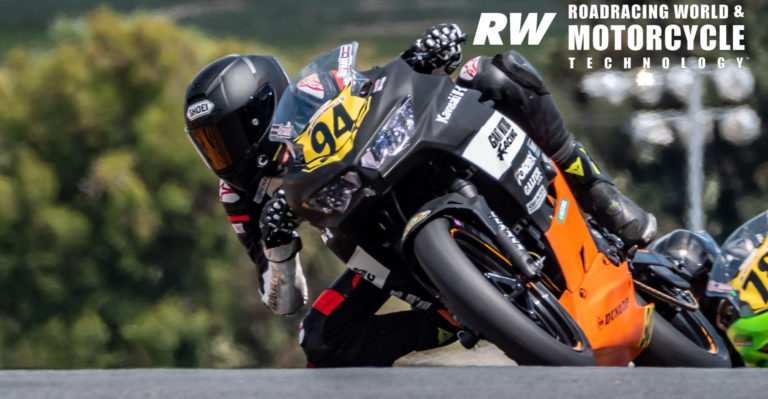
24th-Annual Roadracing World Young Gun Honors:
By David Swarts
Roadracing World started this exclusive special feature recognizing the most promising young road racers as an answer to pessimists who claimed America had no new, up-and-coming young racers. This edition of the Roadracing World Young Gun Awards marks the 24th consecutive year of showcasing an abundance of new talent.
Roadracing World Young Guns have won:
FIM MotoGP and FIM Superbike races and World Championships;
AMA Pro races and Championships, including eight AMA Pro Superbike Championships;
A KTM RC Cup World Final race;
The Daytona 200 (8 times);
WERA National Endurance Championships and WERA National Challenge Championships;
ASRA/Formula USA Grand National and CCS National Championships;
AMA Road Racing Grand Championships and Horizon Awards;
USGPRU National Championships;
Many regional and local titles.
The competition has continually become more intense as more – and younger—racers with higher levels of accomplishment are nominated, and the level of achievement required to make the grade keeps getting tougher.
We’ve spent the last several months accepting nominations and evaluating road racers between the ages of 11 and 18 (as of the start of the 2020 season) who have, at a minimum, won Expert-level road races and/or Championships on a 125cc two-stroke/250cc four-stroke or larger racebike or had outstanding results as an Amateur/Novice. Most of the riders included here have done far more than the minimum.
The young riders recognized here are the most promising young road racers in North America. All have earned the title of Roadracing World Young Gun.
We will feature one Young Gun per day, presenting them in alphabetical order.

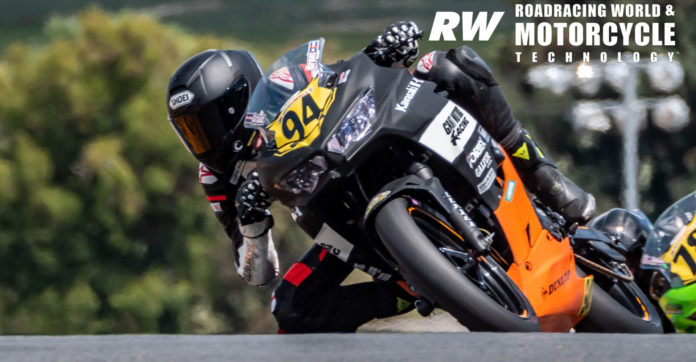
Liam Grant
Age: 15.
Current home: Boulder, Colorado.
Current height/weight: 5’10”/130 pounds.
Current school grade level: 10th grade.
Began riding at age: 12 years.
First road race: 2018, Dacono, Colorado, Rocky Mountain Mini Moto, Formula One, 1st place.
Current racebikes: Yamaha YZF-R6, Kawasaki Ninja 400.
Current tuners/mechanics: Geoff Cesmat, Jason Grant (father).
Primary race series: MotoAmerica Junior Cup.
Top sponsors: Spears Racing, Vortex Racing, Sun Enterprises, Chicken Hawk Racing, Shoei, Motion Pro, Galfer, Motorex.
Recent racing accomplishments: 2019 season, won 3 UtahSBA Expert Championships (Production 500, Moto3, Lightweight Superbike), won CVMA 500 Supersport Amateur Championship, won 29 races overall in 2019.
2020 racing goals: Win MotoAmerica Junior Cup Championship.
Racing career goal: Win Superbike World Championship.
Racing hero: Casey Stoner.
Favorite track: Barber Motorsports Park.
Favorite hobby: Ice Hockey.
If I wasn’t racing I would be…: Playing ice hockey.
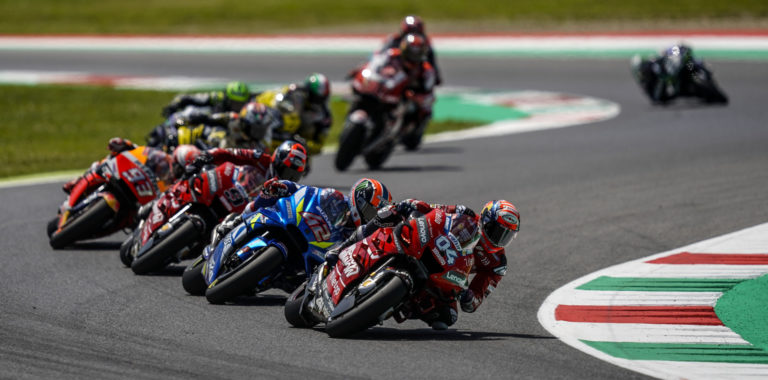
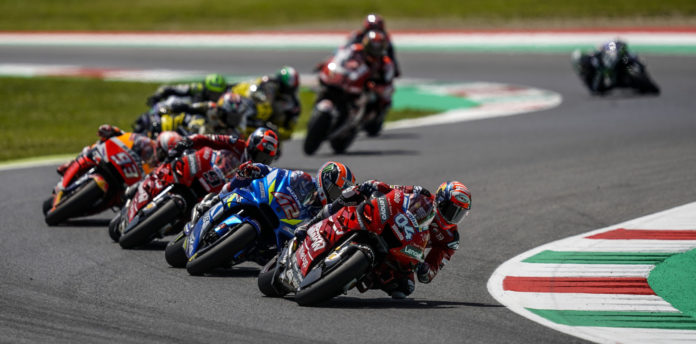
Gran Premio d’Italia Oakley and Gran Premi Monster Energy de Catalunya postponed
Due to the ongoing coronavirus outbreak, the two events have been postponed
Tuesday, 07 April 2020
The FIM, IRTA and Dorna Sports regret to announce the postponement of the Gran Premio d’Italia Oakley and Gran Premi Monster Energy de Catalunya, which were set to be held at the Autodromo del Mugello from the 29th to the 31st of May and at the Circuit de Barcelona-Catalunya from the 5th to the 7th of June, respectively. The ongoing coronavirus outbreak has obliged the two events to be rescheduled.
As the situation remains in a state of constant evolution, new dates for these Grands Prix, as well as the recently-postponed French and Spanish GPs, cannot be confirmed until it becomes clearer when exactly it will be possible to hold the events. A revised calendar will be published as soon as available.
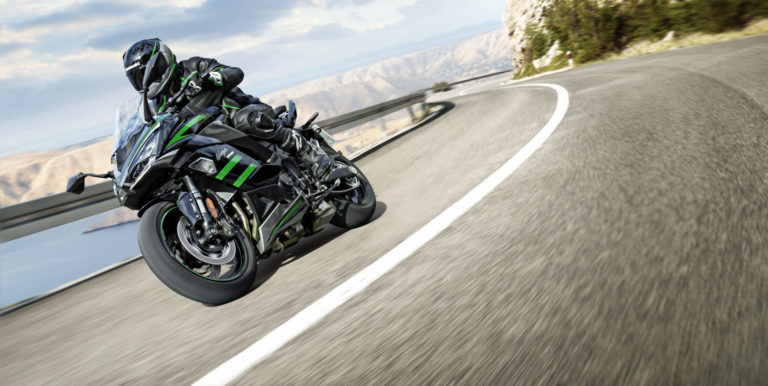
The new 2020 Ninja® 1000SX has been refined to provide an even better platform for experienced riders to enjoy sport riding combined with touring capability. The dynamic, sportier styling, including a single-sided muffler is sure to catch your eye upon first glance. Rider aides have also been added including Electronic Cruise Control and Intergrated Riding Modes that combine KTRC and Power Modes in one easy selection. The electronics can now be monitored through the new 4.3” all-digital TFT color instrumention screen or with Kawasaki’s RIDEOLOGY THE APP using Bluetooth® smartphone connectivity

Highlights of the 2020 Kawasaki Ninja 1000SX motorcycle:

ENGINE
A powerful 1,043 cc liquid-cooled, four-stroke in-line four-cylinder engine pulls strongly from all rpm. Adding to rider exhilaration, the engine delivers superb engine response, a strong mid-range hit and an powerful intake howl. New electronic throttle valves were added to enable the ECU to control the volume of both the fuel through the fuel injectors and air through the throttle valves delivered to the engine providing smooth response and ideal output. The electronic throttle valve system locates the accelerator position on the handlebar, eliminating the throttle cable. To provide a natural feel, friction is used to simulate the feel of a throttle cable. The fuel injection and electronic throttle valve settings mean response is both quick and smooth which helps the rider maintain control when riding at low speeds while also contributing to the sport riding potential of the Ninja 1000SX.
Camshaft profiles were revised to reduce tappet noise and the intake funnels have been changed, meaning shorter intake funnels for the first and fourth cylinders, which matches the exhaust layout and leads to cleaner emissions. The Ninja 1000SX features a cool air system which routes cool air to the airbox through ducts at the front of the side fairings, minimizing performance loss due to heated air intake.
The Ninja 1000SX features many enhancements that allow for a smoother engine feeling. One major feature is the secondary balancer on the engine crankshaft, which helps to reduce vibration.
An all-new exhaust system has a header pipe configuration, which contributes to a sportier appearance. Joint pipes linking the exhaust headers merge into the single collector contribute to increased feeling and response at all rpm. Three-way catalyzers in the exhaust collector complement the revised engine mapping.

Assist & Slipper Clutch
Complementing the transmission is an Assist & Slipper clutch, race-inspired technology that offers both a back-torque limiting function as well as a light feel at the lever.
The Assist function is noticed by the lighter pull at the clutch lever, helping to reduce rider fatigue especially in stop and go traffic situations.
The Slipper function is noticed when excessive engine braking occurs as a result of quick or accidental downshifts. The slipper cam comes into play, forcing the clutch hub and operating plate apart, which relieves pressure on the clutch plates to reduce back-torque and help prevent the rear tire from hopping and skidding.

CHASSIS
Thanks to a rigid, lightweight aluminum frame and compact engine design, the weight is not only low and centered inside the motorcycle, but the overall profile is slim. This centralization allows for sharp handling, neutral steering and a light turn-in. Lightweight and highly rigid, the frame uses the engine as a stressed member.
The frame is a five-piece cast aluminum construction, consisting of a steering stem, left and right main frames, and two cross pieces. The front part of the rear frame is an example of form and function combined, allowing the side covers to be eliminated. This also allows the width under the seat to be narrower, offering riders a shorter reach to the ground.
SUSPENSION
The Ninja 1000SX features 41mm inverted front forks with stepless compression and rebound damping and spring preload adjustability. New for 2020, a low-speed slit was added to the damping pistons to help relieve negative pressure that builds up during compression and results in a smoother fork action over bumps. Fine-tuned settings offer both sporty performance and comfort, which contribute to light handling on city streets and on winding roads.
The horizontal back link rear suspension positions the shock unit and linkage above the swingarm, allowing for greater mass centralization. The rear shock features rebound and preload adjustability, with a remote preload adjuster facilitating setting changes to suit tandem riding, luggage or rider preference. This is ideal for quick adjustability when traveling.

ELECTRONICS
The strength of Kawasaki’s cutting-edge electronics has always been the highly sophisticated programming that uses minimal hardware to give the ECU an accurate real-time picture of what the chassis is doing and what the rider wants, to best support the rider’s inputs with a natural feel. Using the latest evolution of Kawasaki’s advanced modeling software, including input from a compact Bosch IMU (Inertial Measurement Unit), Kawasaki Cornering Management Function (KCMF) monitors engine and chassis parameters throughout the corner to assist riders in holding their intended line through the corner. The Ninja 1000SX motorcycle utilizes the input from multiple sensors to optimize ride quality via the Kawasaki TRaction Control (KTRC), and the Kawasaki Intelligent Anti-Lock Braking System (KIBS).
INTEGRATED RIDING MODES
The Ninja 1000SX is equipped with four integrated riding modes that combine both KTRC and Power Modes that efficiently set traction control and power delivery for the given riding situation. The settings are Sport, Road, Rain or Rider (manual) and while the first three settings are fixed, in Rider mode, the systems can be set independently. As conditions change the riding mode can be adjusted while riding.
ELECTRONIC CRUISE CONTROL
The Ninja 1000SX is equipped with electronic cruise control, which improves the overall comfort for those long days on the road. The cruise control system enables riders to set and maintain their desired speed with the simple press of a button. Once activated, the rider does not have to constantly apply the throttle to maintain speed. The cruise control helps to reduce rider fatigue when traveling long distances, allowing the rider to relax and enjoy cruising, contributing to a high level of riding comfort.

KAWASAKI QUICK SHIFTER (KQS)
The Ninja 1000SX features a highly reliable contactless-type quick shifter that allows for ultra quick, full power upshifts and seamless acceleration. The system detects that the shift lever has been actuated, and sends a signal to the ECU to cut ignition so that the next gear can be engaged for clutchless shifting.
ERGONOMICS
The relatively upright position, compared to supersport models, offers both comfort and confidence for riders. Separate, raised clip-ons are mounted on top of the forks, for relaxed arm position, while maintaining a sporty and comfortable riding position.
A new five-way adjustable clutch lever can be set to suit the size of the rider’s hands, aiding in rider comfort. Mirrors are positioned farther outward and have a greater range of movement, offering easier adjustability.

Both rider and passenger seats deliver increased comfort, thanks to a new, more dense type of urethane padding used in the construction of the seats. Dampers on the underside of the seat also help reduce vibration. Ergonomically sculpted passenger grips are easy to hold and naturally positioned, contributing to even more passenger comfort
The fairing design also covers part of the frame, contributing to a good ergonomic fit and helping to protect the rider from engine heat for added comfort.

BRAKES/WHEELS/TIRES
The Ninja 1000SX features two large, 300 mm front brake discs that are gripped by opposed four-piston radial-mount monobloc calipers. The upper pistons in the caliper are 32 mm while the lower pistons measure 30 mm. The front brake offers a firm initial touch and the level of braking force is easily controlled offering superb braking performance. The rear brake features a single piston, pin slide caliper that grips a 250 mm disc. The rear caliper features a torque rod and is mounted below the swingarm to add to the sporty image of the Ninja 1000SX. Braking functions are assisted by the Kawasaki Intelligent anti-lock Braking System (KIBS). This supersport-grade brake management system uses high-precision control to regulate brake pressure during sporty riding.
Bridgestone’s latest sport tires, the BATTLAX HYPERSPORT S22, are mounted on lightweight six-spoke wheels. The new tires contribute to the lighter handling of the Ninja 1000SX, while offering enhanced grip in both wet and dry conditions.
STYLING
Supersport-style full-fairing bodywork gives the Ninja 1000SX motorcycle a distinct, head-turning look. The sleek styling also offers a good measure of wind protection, helping to reduce rider fatigue. The chin spoilers similar to those on the Ninja H2™ and Ninja® ZX™-10R motorcycles strengthen the Ninja® resemblance along with the longer design of the under cowl to give a more dynamic appearance.
A new more stylish windshield is set at a more upright angle and is adjustable to four positions ranging from sporty to maximum wind protection. No tools are required to adjust the windshield, simply depress the windshield release button below the instrument panel.
Turn signals are built into to the fairings to aid in the slim profile and sporty look. Supersport-style front fender contributes to both aerodynamics and racy looks. The sharp, compact design of the LED headlamps contributes to a fierce expression and combines with built-in front turn signals and compact rear turn signals. Red LED bulbs behind a smoked lens adds a touch of class to the tail cowl. A single-sided muffler contributes to a much sportier look, while the swingarm features eccentric axle adjusters, contributing to the Ninja 1000SX motorcycle’s Kawasaki identity.
The Kawasaki Genuine Accessory KQR saddlebags can be easily mounted by simply sliding them onto the slots on the grips and because the elegant mounting system does not use cumbersome mounting brackets, the rear of the bike looks clean and sharp when the saddlebags are removed. The mounting system positions the saddlebags close to the bike’s centerline keeping a well-integrated look with the rear of the bike that also facilitates navigating urban spaces. The saddlebags can each hold a full-face helmet and feature a one-key system means that the bags are conveniently unlocked and removed with the ignition key.
TFT COLOR INSTRUMENTATION
The new 4.3” all-digital TFT color instrumentation gives the cockpit of the Ninja 1000SX motorcycle a high-tech, high-grade appearance. The full color display features TFT (thin-film transistor) technology delivers a high level of visibility. The screen’s background color is selectable (black or white), and screen brightness adjusts automatically to suit available light. Display functions include: digital speedometer, gear position indicator, upshift indicator, odometer, dual trip meter, fuel gauge, cruising distance, average fuel consumption, outside temperature, water temperature, clock, economical riding indicator, IMU indicator, KIBS indicator, boost pressure and boost temperature.
SMARTPHONE CONNECTIVITY
A chip built into the instrument panel enables riders to connect to their motorcycle wirelessly. Using RIDEOLOGY THE APP, a number of instrument functions can be accessed, logged, and reviewed contributing to an enhanced motorcycling experience. The following information can be viewed:
The app can also be used when away from the motorcycle. When riding (with the app ON), the bike and smartphone are always connected and riding log data is being recorded by the app. After your ride, the latest riding information is stored by the app and may be viewed on the smartphone. Any changes made via the app while the engine is off, or while out of range, will be implemented as soon as the ignition is turned on and the smartphone is in range with the app ON.
* RIDEOLOGY THE APP is not intended for use during vehicle operation. Only use RIDEOLOGY THE APP when the vehicle is not being operated and it is safe to do so.

ACCESSORIES
A feature that sets the Ninja 1000SX apart is the large number of Kawasaki Genuine Accessories for owners to choose from, allowing them to create a unique sport tourer just for them – like the hard color-matched KQR™ 28 Liter Hard Saddlebags, multiple seat options and a larger windshield, just to name a few of the most popular items. The full range of Kawasaki Genuine Accessories are available at authorized Kawasaki dealers, including grip heaters, USB and DC power outlets, frame sliders and navigation brackets. Please visit Kawasaki.com for more information.
COLORS
Metallic Graphite Gray / Metallic Diablo Black
MSRP
$12,399
Featured In the April 2020 issue of Roadracing World:
Inside Info…
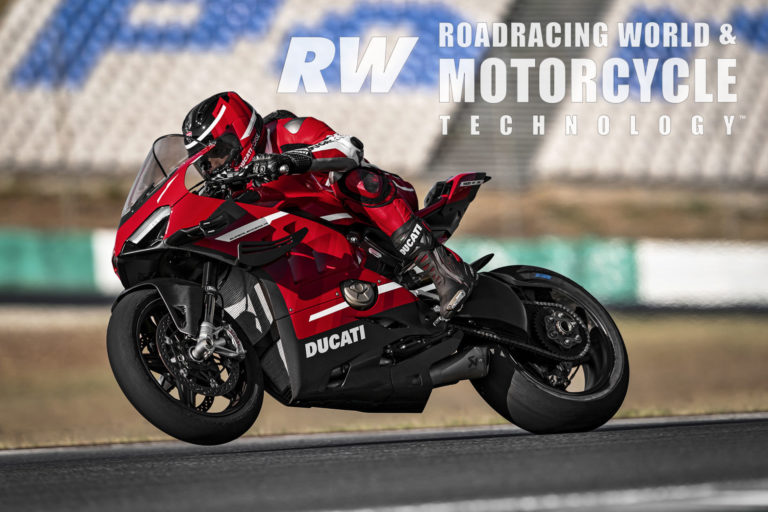
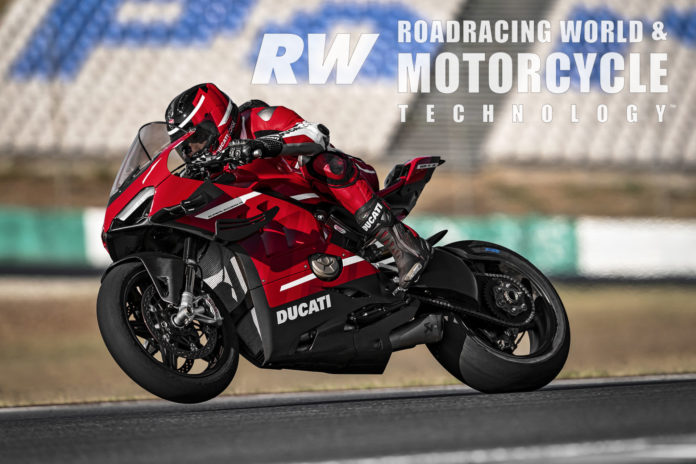
Ducati’s latest object of moto-lust is the Superleggera V4, which features aerodynamics that create more downforce than that found on the company’s Superbike and MotoGP World Championship racebikes, a lower dry weight than a MotoGP machine and more than 220 horsepower…
MV Agusta has created a limited-edition Dragster 800 RR especially for an online marketplace, Harley-Davidson has released a limited edition of its Fat Boy cruiser…
On the electric side, Energica has reported record-setting sales of its motorcycles in North America, and Zero has released a fully faired SR/S…
And Fabio Quartararo, riding his Petronas Yamaha, was the fastest rider on each and every day of a three-day official MotoGP pre-season test at Sepang International Circuit in Malaysia …
Awesome streetbikes, results from MotoGP and World Superbike pre-season testing, and the latest in the world of performance motorcycling and the industry, and more!! It’s all in Inside Info, found only in Roadracing World!
Roadracing World & Motorcycle Technology is THE definitive source for motorcycle racing, riding, and tech information.
PREVIEW the April 2020 issue of Roadracing World & Motorcycle Technology!
Roadracing World & Motorcycle Technology magazine is available in print and digital formats.
Log in or subscribe HERE.
Or call (909) 654-4779, 9:00 a.m. – 5:00 p.m. Pacific Time, Monday through Friday.
Visit www.roadracingworld.com daily for breaking news and events.
Like us on Facebook https://www.facebook.com/roadracingworld
Follow us on Twitter: https://twitter.com @roadracingworld
Follow us on Instagram https://instagram.com @roadracing_world
An inspirational video from Honda Racing Corporation (HRC) during the COVID-19 global pandemic.
By David Swarts
When the 2020 MotoAmerica Superbike Championship begins there will be some familiar faces on the grid, but there will also be a whole lot of newness: New bikes, new teams, new crew chiefs, and new classes.
To help preview the season, we’ve enlisted the help of Josh Hayes.
Not only has Hayes won four AMA Pro Superbike Championships, he’s won a total of 83 AMA Pro/MotoAmerica races and three support class titles; raced in the Endurance World Championship; run at the front in Supersport World Championship races; and finished seventh while competing in his first MotoGP race as a substitute rider at Valencia in 2011.
More recently, Hayes won two races at the International Island Classic vintage event in January of this year at Phillip Island; raced at the front throughout the 2019 Daytona 200 and was on provisional pole position for the 2020 Daytona 200; and finished on the podium in the MotoAmerica Supersport class in 2019.
When he’s not racing, Hayes is a rider coach for top competitors, including Bobby Fong and Jake Gagne, as well as working with Garrett Gerloff.
And if these weren’t enough qualifications to preview the upcoming season, Hayes rode in place of injured Mathew Scholtz on Westby Racing’s 2020-model Yamaha YZF-R1 Superbike during the official MotoAmerica pre-season test at Barber Motorsports Park in March. So, he’s had a close look at most of the field.
This preview series is highlighting one Superbike or Superbike Cup/Stock 1000 rider each day, but it will not feature every rider entered in the two classes.
Ashton Yates
Ashton Yates started racing as a Pro in the 2015 MotoAmerica KTM RC Cup, which was run on KTM RC 390 motorcycles built and tuned under tightly restricted rules, including the use of approved KTM race kit parts and spec Dunlop tires.
Ashton Yates, then 16, didn’t immediately set the world on fire in his debut season. Some thought it was the fact that he was larger than many of his competitors, but late in the season it was discovered that he was near-sighted and needed to wear corrective lenses when he was riding to see things in the distance, like brake markers. Once he started wearing glasses while on track, Yates’ riding instantly went up to a new level, and he then qualified on the front row at the season finale at New Jersey Motorsports Park, and ran at the front all weekend.
Yates didn’t get the strongest start when he returned for the 2016 KTM RC Cup, but once he found his stride, Yates won three races, took 10 total podium finishes in 15 races, and placed third in the final Championship standings.
Riding for a team run by his father, multi-time AMA Pro Road Racing Champion Aaron Yates, and his grandfather, former racer Luckey Yates, Ashton Yates moved up to MotoAmerica’s Superstock 600 category in 2018 on a Yamaha YZF-R6 supported by long-time sponsor GPtech. This ended up being a learning year for Yates, who took five top-10 finishes in 2017.
In 2018, Ashton Yates pulled double duty (like his father and many of the top stars did years ago) by moving up to the MotoAmerica Supersport class on his Yamaha and also racing in the new MotoAmerica Junior Cup on one of Kawasaki’s new Ninja 400s.
The Ninja 400 was the bike to be on and Yates made the most of it, winning three races and getting on the podium four other times, but he said he never got along perfectly with the spec front Dunlop used in Junior Cup and crashed out of race leads four times. In Supersport, meanwhile, Yates earned a podium finish in wet Race Two at Road Atlanta, making him one of the only racers in recent memory to podium in two different AMA or MotoAmerica classes in the same season.
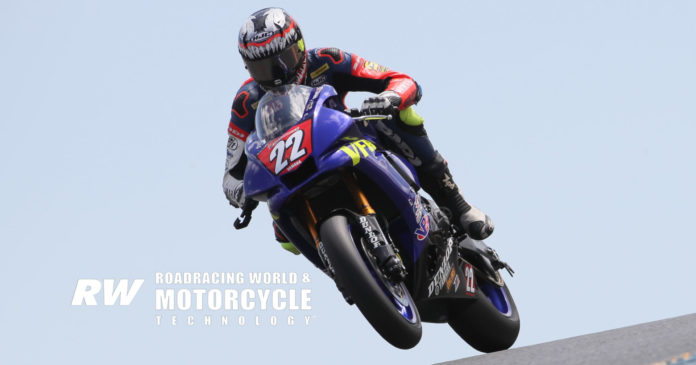
Yates started out the 2019 season focusing on his Yamaha YZF-R6 in the MotoAmerica Supersport class, and he earned a few top-10 finishes. Then halfway through the year, Yates was recruited to ride the Vic Fasola Racing (VFR) Yamaha YZF-R1 in MotoAmerica’s Stock 1000 class. Yates immediately got comfortable on the more powerful machine and claimed a runner-up finish at Pittsburgh International Race Complex, giving Yates podium finishes in four different MotoAmerica classes on four different motorcycles over the span of four seasons.
Yates’ ability to adapt to new motorcycles will come in handy again in 2020 as the Georgian is slated to race a 2019 Honda CBR1000RR SP supplied by Jones Honda in MotoAmerica’s Stock 1000 and the Superbike Cup classes. And Yates said Jones Honda may supply him with a 2020 Honda CBR1000RR-R Fireblade SP, the homologation special, when it becomes available.
Yates, now 21, clearly has riding skills, but putting together a full season of racing at the front on a 1000cc machine – in two different classes – is a tough challenge for anyone, especially a young rider on a privateer team.
“I don’t think it matters which CBR1000RR he’s on,” said Hayes. “Either way, he’s probably going to have a pretty decent motorcycle. I’ve always believed that the Honda is capable, but there are a few things that are particular about the bike and if you can get the most out of them you can do good things with it.
“Watching Ashton ride, it’s clear he’s a Yates. He’s a bruiser with the machine. My memory of riding a Honda was you got from it what you asked of it. You could grind on it. The harder you tried, the more effort you put into it, the more performance you got in return from the Honda, which lends to Ashton well.
“Other machines have been a little bit different, in my experience. The Yamaha is from the tuning fork company. It is refinement, and you couldn’t force it. Sometimes you had to be nice to it and play with it the way it wanted to be played with to get it to go really fast. You couldn’t bend its will.
“So, if that is still true to the DNA of the Honda it could work out quite well for him.
“But like I talked about with Kyle Wyman, there’s not a lot of Hondas being raced at a high level right now so there’s not a lot of information to draw from. And you’re looking at a young guy who may or may not know how to convey what he needs from the motorcycle to go faster and what he needs to work on as a rider and which is which. That’s a very difficult thing to learn and figure out.
“Guys like me got so much experience by riding endurance bikes for hours at a time that we shared with three other people. And that’s just one of the many different things that I went through during my career that helped me play this game and figure those things out that Ashton might not have available to him. His success in 2020 will be a matter of just how well he and his team play the game.”
MotoGP™ Virtual Race 2: get ready for more!
The full lowdown on the second eSports event, set to be broadcast on Sunday
Wednesday, 08 April 2020
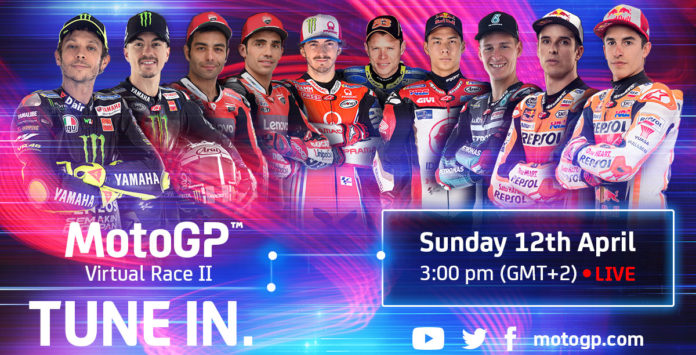
Following the overwhelming success of MotoGP™’s first ever Virtual Race, a second event was recently announced and it’s now getting closer – with lights out at 15:00 (GMT +2) on Sunday the 12th of April. Another cast of premier class superstars will be lining up, with a few returning from the first race – like reigning MotoGP™ World Champion Marc Marquez – and a few new faces taking on the competition too, including the likes of Valentino Rossi (Monster Energy Yamaha MotoGP) and Danilo Petrucci (Ducati Team). As ever, the riders will be playing on the official MotoGP™19 Videogame from videogame developer, publisher and longstanding partner Milestone, with MotoGP™20 set for launch soon on Friday the 23rd of April.
For Race 2, it’s the Red Bull Ring that plays host as the riders take on the digital rendition of the stunning Styrian track, with the race length set to 10 laps. Just like in the first event, a five-minute qualifying session in time-attack mode will decide the grid positions before the lights go out, although as we saw in Race 1 there’s far more to winning that just being the fastest! And remember, there’s nowhere to hide – with each rider live on the stream throughout the broadcast.
The second event will be shown in full on Sunday the 12th of April at 15:00 (GMT+2), with qualifying broadcast before the race. Fans can watch on motogp.com and esport.motogp.com, on selected TV broadcasters, and across social media platforms including YouTube (via the MotoGP and MotoGP eSport channels), MotoGP eSport Twitter, Instagram, and Facebook (via both the MotoGP and MotoGP eSport pages). An Instagram Live with the winner will debrief fans soon after the race too, at 16:00!
Broadcasters will include SKY Italy, Canal+ in France, DAZN in Spain, Italy and DACHS, BT Sport in the UK, ServusTV in Austria and Germany, OTE in Greece, SwissTV in Switzerland, SportTV in Portugal, Sport5 Israel, Sportklub in Serbia, MTV Finland, NBC in the USA, ESPN in Latin America, Trans TV in Indonesia and Fox Asia, amongst others.
Once again, the riders will each be playing via a private “Race Direction” lobby, set up to invite each rider to the event and send them the bike settings.
The line-up:
Repsol Honda Team: Marc Marquez, Alex Marquez
Ducati Team: Danilo Petrucci, Michele Pirro
Monster Energy Yamaha MotoGP: Valentino Rossi, Maverick Viñales
Petronas Yamaha SRT: Fabio Quartararo
Pramac Racing: Francesco Bagnaia
LCR Honda Idemitsu: Takaaki Nakagami
Reale Avintia Racing: Tito Rabat
Keep up to date with everything across social media platforms as the riders get ready to suit up – virtually – and see who takes the second ever Virtual Race win on Sunday at 15:00 (GMT+2). And don’t forget, the winner will then go LIVE on Instagram with MotoGP™ to debrief at 16:00!
Featured In the April 2020 issue of Roadracing World:
“The 1290 Super Duke R is a one of-a-kind hyper-naked motorcycle, unlike anything else on the market. With an updated, rowdy 1301cc V-Twin engine—a lot of displacement for any motorcycle—improved electronics, and a new chassis, it’s made to carve up twisty roads and rip around the racetrack as well as cruise through the countryside or head into the city, with a lot of power wheelies along the way.
“KTM engineers are unapologetic about it, giving the Super Duke R the nickname of Beast; this 2020 model is the third version of the Super Duke R, so they’ve designated it Beast 3.0.
“On the spec sheet, on the road, and on the racetrack, the Super Duke R is an exciting motorcycle …”
—Bike Intro, KTM 1290 Super Duke R: Beast Mode! By Chris Ulrich
Beast Mode is official factory policy at KTM, and the latest 1290 Super Duke R demonstrates that the Austrian factory is dedicated to that policy without reservation. Racing Editor Chris Ulrich sampled the new beast on the street and on the track. Find out how he got along with the biggest beast in KTM’s catalog— it’s all in the latest issue of Roadracing World!
Roadracing World & Motorcycle Technology is THE definitive source for motorcycle racing, riding, and tech information.
PREVIEW the April 2020 issue of Roadracing World & Motorcycle Technology!
Roadracing World & Motorcycle Technology magazine is available in print and digital formats.
Log in or subscribe HERE.
Or call (909) 654-4779, 9:00 a.m. – 5:00 p.m. Pacific Time, Monday through Friday.
Visit www.roadracingworld.com daily for breaking news and events.
Like us on Facebook https://www.facebook.com/roadracingworld
Follow us on Twitter: https://twitter.com @roadracingworld
Follow us on Instagram https://instagram.com @roadracing_world
By Michael Gougis
Round Three of the 2014 GEICO Motorcycle Superbike Shootout Presented by Yamaha, the Arai Mountain Nationals, was held May 24-25 at Miller Motorsports Park, in Tooele, Utah. This is the broadcast video coverage of Dynojet Pro Sportbike race three, which aired on MAVTV.
The three-round televised series was set up by race team owner John Ulrich and racer Chris Ulrich, to fill an 11-week gap in the 2014 AMA Pro Racing schedule, which initially consisted of five rounds without any TV coverage, with no rounds west of the Mississippi River (the AMA Series later picked up a sixth round, at Laguna Seca, again without TV). Each Superbike Shootout round included one Superbike and one Sportbike race (along with dedicated practice and qualifying sessions for each class) dropped into an existing club race weekend run by WERA at Auto Club Speedway in Fontana, California; AFM at Sonoma Raceway in Sonoma, California; and USBA at what was then known as Miller Motorsports Park in Tooele, Utah.
Teams and riders needed TV coverage to maintain sponsorship, and getting that coverage was a major goal of the series. The father/son duo started a new business unit, Team Hammer Promotions, hired Greg White’s production company to produce six one-hour TV shows, covering the Superbike and Sportbike races from each round, with White and Jason Pridmore commentating and Laurette Nicholl handling pit reporting. John and Chris Ulrich met with the president of MAVTV and reached an agreement for the network to broadcast each show, one per week, on consecutive Thursday nights, and to then repeat the series. After seeing the shows, MAVTV decided to broadcast each show an additional four times, totaling 36 hours of TV coverage for the series. Chris’ sister Natalie Ulrich was recruited to sell series and event sponsorship as well as TV commercials.
By all accounts, the series and the shows were a success, and played a part in keeping professional road racing alive in the United States. There were plans to run a 10-round Superbike Shootout Series in 2015. But when MotoAmerica was founded, bought the AMA Pro Racing series, and announced it would take over running the AMA series starting in 2015, John and Chris Ulrich decided to support MotoAmerica and go back to concentrating on running the family’s race team, known as Team Hammer, Inc. The rest is history…
Ducati Corse steps into the eSport world with the current MotoGP World Champion AndrewZh
Ducati is pleased to announce the born of the official Ducati Corse team of eSport. The line-up of the new squad will see current World Champion Andrea Saveri, also known as AndrewZh, attempting to confirm the world title conquered last year, now as an official rider of Ducati Corse eSport.
AndrewZh confirmed yesterday his participation to the final challenge of the World Championship after finishing eighth in the “ProDraft” classification, and he will be part of a group of 11 gamers that will compete for the title this season.
It was quite natural that Ducati and AndrewZh were meant to cross their paths. Andrea was born in Bologna 19 years ago. He is a motorcycle enthusiast, he lives a few kilometres away from Borgo Panigale, and his family has always been “Ducatista”.
Since his debut in the eSport, AndrewZh has always been a key player in all the MotoGP World Championship editions. In 2018 he classified third, and last year he finished first, controlling a Desmosedici GP bike, even if at that moment he still wasn’t an official Ducati rider.
This year Ducati and AndrewZh’s goal is to keep the world title conquered last season in the final meeting in Valencia. In the two races held, he was able to master the pressure put on him by his rivals taking the final victory with two points on the second classified.
Apart from following all the battles on the screens, fans will be able to know more AndrewZh during the season at some promotional events organised by Ducati.
Paolo Ciabatti, (Ducati Corse Sporting Director):
“eSport is an entertainment platform that has grown quickly during the last years: innovation, progress and technology are part of Ducati DNA, and that is why we have decided to commit in this new adventure. We were already discussing to officialize this relationship with Andrea before he became World Champion in order to be able to dress him with the official colours of Ducati Corse, riding a virtual Desmosedici GP bike, for the 2020 World Championship. Andrea isn’t just an extraordinary eSport rider, but also a true Ducatista. He comes from Bologna; he lives a few kilometres away from Borgo Panigale, he rides a Ducati Monster, and that is for us an added value. We wish him good luck, and we can’t wait for the new championship to begin”.
Andrea Saveri aka AndrewZh:
“When the eSport World Championship began I wouldn’t have imagined reaching a similar goal. Becoming an official Ducati rider and wearing the colours of the squad from Borgo Panigale is a dream that comes true. Especially for a youngster from Bologna like me, who is a big motorcycle enthusiast since I was a kid and that knows what it means being a Ducatista. Although it is a tough moment for the world, we were able to compete to decide the ProDraft of the classification, and it was not easy to gain access to the final challenge, as this year the level is very high. It will be a special season, during which I hope to be able to repay all the trust that Ducati put on me by getting good results”.
We still don’t know what will be the fate of the final 2020 calendar, as it is currently affected by the Covid-19 outbreak. The 2020 eSport World Championship will see four head-to-head battles between the gamers, each composed of two races.
Last year the three races of the eSport World Championship were shown by 15 TV broadcasters in 5 continents for a global audience of 64 million viewers (Source: Dorna Sports).
24th-Annual Roadracing World Young Gun Honors:
By David Swarts
Roadracing World started this exclusive special feature recognizing the most promising young road racers as an answer to pessimists who claimed America had no new, up-and-coming young racers. This edition of the Roadracing World Young Gun Awards marks the 24th consecutive year of showcasing an abundance of new talent.
Roadracing World Young Guns have won:
FIM MotoGP and FIM Superbike races and World Championships;
AMA Pro races and Championships, including eight AMA Pro Superbike Championships;
A KTM RC Cup World Final race;
The Daytona 200 (8 times);
WERA National Endurance Championships and WERA National Challenge Championships;
ASRA/Formula USA Grand National and CCS National Championships;
AMA Road Racing Grand Championships and Horizon Awards;
USGPRU National Championships;
Many regional and local titles.
The competition has continually become more intense as more – and younger—racers with higher levels of accomplishment are nominated, and the level of achievement required to make the grade keeps getting tougher.
We’ve spent the last several months accepting nominations and evaluating road racers between the ages of 11 and 18 (as of the start of the 2020 season) who have, at a minimum, won Expert-level road races and/or Championships on a 125cc two-stroke/250cc four-stroke or larger racebike or had outstanding results as an Amateur/Novice. Most of the riders included here have done far more than the minimum.
The young riders recognized here are the most promising young road racers in North America. All have earned the title of Roadracing World Young Gun.
We will feature one Young Gun per day, presenting them in alphabetical order.
Liam Grant
Age: 15.
Current home: Boulder, Colorado.
Current height/weight: 5’10”/130 pounds.
Current school grade level: 10th grade.
Began riding at age: 12 years.
First road race: 2018, Dacono, Colorado, Rocky Mountain Mini Moto, Formula One, 1st place.
Current racebikes: Yamaha YZF-R6, Kawasaki Ninja 400.
Current tuners/mechanics: Geoff Cesmat, Jason Grant (father).
Primary race series: MotoAmerica Junior Cup.
Top sponsors: Spears Racing, Vortex Racing, Sun Enterprises, Chicken Hawk Racing, Shoei, Motion Pro, Galfer, Motorex.
Recent racing accomplishments: 2019 season, won 3 UtahSBA Expert Championships (Production 500, Moto3, Lightweight Superbike), won CVMA 500 Supersport Amateur Championship, won 29 races overall in 2019.
2020 racing goals: Win MotoAmerica Junior Cup Championship.
Racing career goal: Win Superbike World Championship.
Racing hero: Casey Stoner.
Favorite track: Barber Motorsports Park.
Favorite hobby: Ice Hockey.
If I wasn’t racing I would be…: Playing ice hockey.
Gran Premio d’Italia Oakley and Gran Premi Monster Energy de Catalunya postponed
Due to the ongoing coronavirus outbreak, the two events have been postponed
Tuesday, 07 April 2020
The FIM, IRTA and Dorna Sports regret to announce the postponement of the Gran Premio d’Italia Oakley and Gran Premi Monster Energy de Catalunya, which were set to be held at the Autodromo del Mugello from the 29th to the 31st of May and at the Circuit de Barcelona-Catalunya from the 5th to the 7th of June, respectively. The ongoing coronavirus outbreak has obliged the two events to be rescheduled.
As the situation remains in a state of constant evolution, new dates for these Grands Prix, as well as the recently-postponed French and Spanish GPs, cannot be confirmed until it becomes clearer when exactly it will be possible to hold the events. A revised calendar will be published as soon as available.
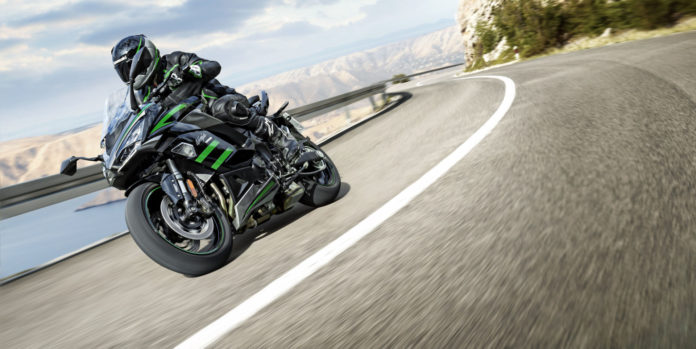
The new 2020 Ninja® 1000SX has been refined to provide an even better platform for experienced riders to enjoy sport riding combined with touring capability. The dynamic, sportier styling, including a single-sided muffler is sure to catch your eye upon first glance. Rider aides have also been added including Electronic Cruise Control and Intergrated Riding Modes that combine KTRC and Power Modes in one easy selection. The electronics can now be monitored through the new 4.3” all-digital TFT color instrumention screen or with Kawasaki’s RIDEOLOGY THE APP using Bluetooth® smartphone connectivity
Highlights of the 2020 Kawasaki Ninja 1000SX motorcycle:
ENGINE
A powerful 1,043 cc liquid-cooled, four-stroke in-line four-cylinder engine pulls strongly from all rpm. Adding to rider exhilaration, the engine delivers superb engine response, a strong mid-range hit and an powerful intake howl. New electronic throttle valves were added to enable the ECU to control the volume of both the fuel through the fuel injectors and air through the throttle valves delivered to the engine providing smooth response and ideal output. The electronic throttle valve system locates the accelerator position on the handlebar, eliminating the throttle cable. To provide a natural feel, friction is used to simulate the feel of a throttle cable. The fuel injection and electronic throttle valve settings mean response is both quick and smooth which helps the rider maintain control when riding at low speeds while also contributing to the sport riding potential of the Ninja 1000SX.
Camshaft profiles were revised to reduce tappet noise and the intake funnels have been changed, meaning shorter intake funnels for the first and fourth cylinders, which matches the exhaust layout and leads to cleaner emissions. The Ninja 1000SX features a cool air system which routes cool air to the airbox through ducts at the front of the side fairings, minimizing performance loss due to heated air intake.
The Ninja 1000SX features many enhancements that allow for a smoother engine feeling. One major feature is the secondary balancer on the engine crankshaft, which helps to reduce vibration.
An all-new exhaust system has a header pipe configuration, which contributes to a sportier appearance. Joint pipes linking the exhaust headers merge into the single collector contribute to increased feeling and response at all rpm. Three-way catalyzers in the exhaust collector complement the revised engine mapping.
Assist & Slipper Clutch
Complementing the transmission is an Assist & Slipper clutch, race-inspired technology that offers both a back-torque limiting function as well as a light feel at the lever.
The Assist function is noticed by the lighter pull at the clutch lever, helping to reduce rider fatigue especially in stop and go traffic situations.
The Slipper function is noticed when excessive engine braking occurs as a result of quick or accidental downshifts. The slipper cam comes into play, forcing the clutch hub and operating plate apart, which relieves pressure on the clutch plates to reduce back-torque and help prevent the rear tire from hopping and skidding.
CHASSIS
Thanks to a rigid, lightweight aluminum frame and compact engine design, the weight is not only low and centered inside the motorcycle, but the overall profile is slim. This centralization allows for sharp handling, neutral steering and a light turn-in. Lightweight and highly rigid, the frame uses the engine as a stressed member.
The frame is a five-piece cast aluminum construction, consisting of a steering stem, left and right main frames, and two cross pieces. The front part of the rear frame is an example of form and function combined, allowing the side covers to be eliminated. This also allows the width under the seat to be narrower, offering riders a shorter reach to the ground.
SUSPENSION
The Ninja 1000SX features 41mm inverted front forks with stepless compression and rebound damping and spring preload adjustability. New for 2020, a low-speed slit was added to the damping pistons to help relieve negative pressure that builds up during compression and results in a smoother fork action over bumps. Fine-tuned settings offer both sporty performance and comfort, which contribute to light handling on city streets and on winding roads.
The horizontal back link rear suspension positions the shock unit and linkage above the swingarm, allowing for greater mass centralization. The rear shock features rebound and preload adjustability, with a remote preload adjuster facilitating setting changes to suit tandem riding, luggage or rider preference. This is ideal for quick adjustability when traveling.
ELECTRONICS
The strength of Kawasaki’s cutting-edge electronics has always been the highly sophisticated programming that uses minimal hardware to give the ECU an accurate real-time picture of what the chassis is doing and what the rider wants, to best support the rider’s inputs with a natural feel. Using the latest evolution of Kawasaki’s advanced modeling software, including input from a compact Bosch IMU (Inertial Measurement Unit), Kawasaki Cornering Management Function (KCMF) monitors engine and chassis parameters throughout the corner to assist riders in holding their intended line through the corner. The Ninja 1000SX motorcycle utilizes the input from multiple sensors to optimize ride quality via the Kawasaki TRaction Control (KTRC), and the Kawasaki Intelligent Anti-Lock Braking System (KIBS).
INTEGRATED RIDING MODES
The Ninja 1000SX is equipped with four integrated riding modes that combine both KTRC and Power Modes that efficiently set traction control and power delivery for the given riding situation. The settings are Sport, Road, Rain or Rider (manual) and while the first three settings are fixed, in Rider mode, the systems can be set independently. As conditions change the riding mode can be adjusted while riding.
ELECTRONIC CRUISE CONTROL
The Ninja 1000SX is equipped with electronic cruise control, which improves the overall comfort for those long days on the road. The cruise control system enables riders to set and maintain their desired speed with the simple press of a button. Once activated, the rider does not have to constantly apply the throttle to maintain speed. The cruise control helps to reduce rider fatigue when traveling long distances, allowing the rider to relax and enjoy cruising, contributing to a high level of riding comfort.
KAWASAKI QUICK SHIFTER (KQS)
The Ninja 1000SX features a highly reliable contactless-type quick shifter that allows for ultra quick, full power upshifts and seamless acceleration. The system detects that the shift lever has been actuated, and sends a signal to the ECU to cut ignition so that the next gear can be engaged for clutchless shifting.
ERGONOMICS
The relatively upright position, compared to supersport models, offers both comfort and confidence for riders. Separate, raised clip-ons are mounted on top of the forks, for relaxed arm position, while maintaining a sporty and comfortable riding position.
A new five-way adjustable clutch lever can be set to suit the size of the rider’s hands, aiding in rider comfort. Mirrors are positioned farther outward and have a greater range of movement, offering easier adjustability.
Both rider and passenger seats deliver increased comfort, thanks to a new, more dense type of urethane padding used in the construction of the seats. Dampers on the underside of the seat also help reduce vibration. Ergonomically sculpted passenger grips are easy to hold and naturally positioned, contributing to even more passenger comfort
The fairing design also covers part of the frame, contributing to a good ergonomic fit and helping to protect the rider from engine heat for added comfort.
BRAKES/WHEELS/TIRES
The Ninja 1000SX features two large, 300 mm front brake discs that are gripped by opposed four-piston radial-mount monobloc calipers. The upper pistons in the caliper are 32 mm while the lower pistons measure 30 mm. The front brake offers a firm initial touch and the level of braking force is easily controlled offering superb braking performance. The rear brake features a single piston, pin slide caliper that grips a 250 mm disc. The rear caliper features a torque rod and is mounted below the swingarm to add to the sporty image of the Ninja 1000SX. Braking functions are assisted by the Kawasaki Intelligent anti-lock Braking System (KIBS). This supersport-grade brake management system uses high-precision control to regulate brake pressure during sporty riding.
Bridgestone’s latest sport tires, the BATTLAX HYPERSPORT S22, are mounted on lightweight six-spoke wheels. The new tires contribute to the lighter handling of the Ninja 1000SX, while offering enhanced grip in both wet and dry conditions.
STYLING
Supersport-style full-fairing bodywork gives the Ninja 1000SX motorcycle a distinct, head-turning look. The sleek styling also offers a good measure of wind protection, helping to reduce rider fatigue. The chin spoilers similar to those on the Ninja H2™ and Ninja® ZX™-10R motorcycles strengthen the Ninja® resemblance along with the longer design of the under cowl to give a more dynamic appearance.
A new more stylish windshield is set at a more upright angle and is adjustable to four positions ranging from sporty to maximum wind protection. No tools are required to adjust the windshield, simply depress the windshield release button below the instrument panel.
Turn signals are built into to the fairings to aid in the slim profile and sporty look. Supersport-style front fender contributes to both aerodynamics and racy looks. The sharp, compact design of the LED headlamps contributes to a fierce expression and combines with built-in front turn signals and compact rear turn signals. Red LED bulbs behind a smoked lens adds a touch of class to the tail cowl. A single-sided muffler contributes to a much sportier look, while the swingarm features eccentric axle adjusters, contributing to the Ninja 1000SX motorcycle’s Kawasaki identity.
The Kawasaki Genuine Accessory KQR saddlebags can be easily mounted by simply sliding them onto the slots on the grips and because the elegant mounting system does not use cumbersome mounting brackets, the rear of the bike looks clean and sharp when the saddlebags are removed. The mounting system positions the saddlebags close to the bike’s centerline keeping a well-integrated look with the rear of the bike that also facilitates navigating urban spaces. The saddlebags can each hold a full-face helmet and feature a one-key system means that the bags are conveniently unlocked and removed with the ignition key.
TFT COLOR INSTRUMENTATION
The new 4.3” all-digital TFT color instrumentation gives the cockpit of the Ninja 1000SX motorcycle a high-tech, high-grade appearance. The full color display features TFT (thin-film transistor) technology delivers a high level of visibility. The screen’s background color is selectable (black or white), and screen brightness adjusts automatically to suit available light. Display functions include: digital speedometer, gear position indicator, upshift indicator, odometer, dual trip meter, fuel gauge, cruising distance, average fuel consumption, outside temperature, water temperature, clock, economical riding indicator, IMU indicator, KIBS indicator, boost pressure and boost temperature.
SMARTPHONE CONNECTIVITY
A chip built into the instrument panel enables riders to connect to their motorcycle wirelessly. Using RIDEOLOGY THE APP, a number of instrument functions can be accessed, logged, and reviewed contributing to an enhanced motorcycling experience. The following information can be viewed:
The app can also be used when away from the motorcycle. When riding (with the app ON), the bike and smartphone are always connected and riding log data is being recorded by the app. After your ride, the latest riding information is stored by the app and may be viewed on the smartphone. Any changes made via the app while the engine is off, or while out of range, will be implemented as soon as the ignition is turned on and the smartphone is in range with the app ON.
* RIDEOLOGY THE APP is not intended for use during vehicle operation. Only use RIDEOLOGY THE APP when the vehicle is not being operated and it is safe to do so.
ACCESSORIES
A feature that sets the Ninja 1000SX apart is the large number of Kawasaki Genuine Accessories for owners to choose from, allowing them to create a unique sport tourer just for them – like the hard color-matched KQR™ 28 Liter Hard Saddlebags, multiple seat options and a larger windshield, just to name a few of the most popular items. The full range of Kawasaki Genuine Accessories are available at authorized Kawasaki dealers, including grip heaters, USB and DC power outlets, frame sliders and navigation brackets. Please visit Kawasaki.com for more information.
COLORS
Metallic Graphite Gray / Metallic Diablo Black
MSRP
$12,399
Featured In the April 2020 issue of Roadracing World:
Inside Info…
Ducati’s latest object of moto-lust is the Superleggera V4, which features aerodynamics that create more downforce than that found on the company’s Superbike and MotoGP World Championship racebikes, a lower dry weight than a MotoGP machine and more than 220 horsepower…
MV Agusta has created a limited-edition Dragster 800 RR especially for an online marketplace, Harley-Davidson has released a limited edition of its Fat Boy cruiser…
On the electric side, Energica has reported record-setting sales of its motorcycles in North America, and Zero has released a fully faired SR/S…
And Fabio Quartararo, riding his Petronas Yamaha, was the fastest rider on each and every day of a three-day official MotoGP pre-season test at Sepang International Circuit in Malaysia …
Awesome streetbikes, results from MotoGP and World Superbike pre-season testing, and the latest in the world of performance motorcycling and the industry, and more!! It’s all in Inside Info, found only in Roadracing World!
Roadracing World & Motorcycle Technology is THE definitive source for motorcycle racing, riding, and tech information.
PREVIEW the April 2020 issue of Roadracing World & Motorcycle Technology!
Roadracing World & Motorcycle Technology magazine is available in print and digital formats.
Log in or subscribe HERE.
Or call (909) 654-4779, 9:00 a.m. – 5:00 p.m. Pacific Time, Monday through Friday.
Visit www.roadracingworld.com daily for breaking news and events.
Like us on Facebook https://www.facebook.com/roadracingworld
Follow us on Twitter: https://twitter.com @roadracingworld
Follow us on Instagram https://instagram.com @roadracing_world