

Home Blog Page 2229

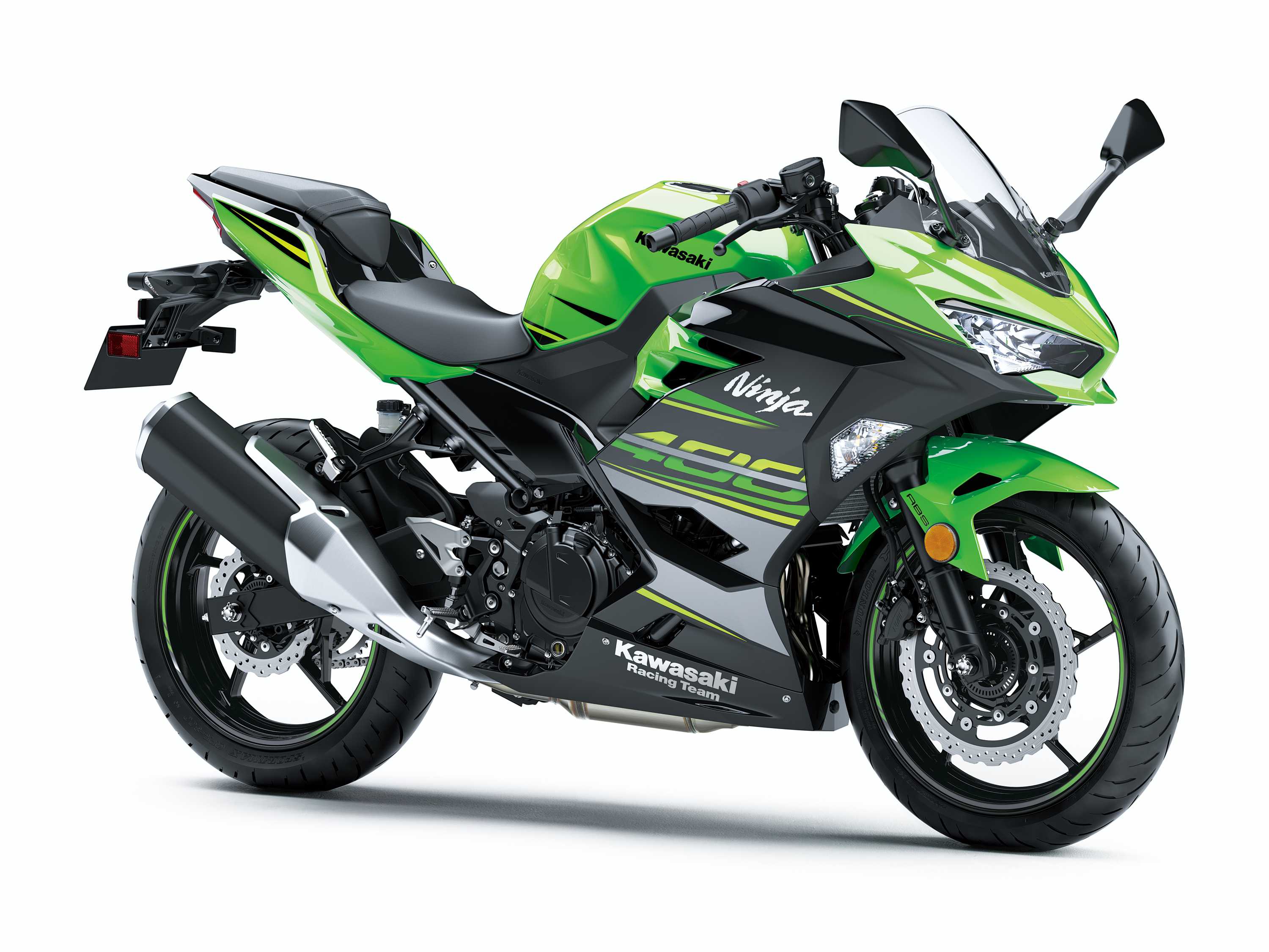
Kawasaki’s New Ninja 400 Makes North American Debut

2018 KAWASAKI NINJA® 400

NIMBLE HANDLING AND HIGH PERFOMANCE APPEALS TO WIDE RANGE OF RIDERS

The stacked and always competitive small displacement sportbike class once again has a new leader by which all others will be judged: the all-new Kawasaki Ninja® 400 ABS and Ninja® 400. The sporty, lightweight, nimble handling platform of the Ninja 400 offers riders plenty of excitement, while also maintaining its reputation for appealing to a broad range of customers.

Kawasaki is no stranger to leading the way in performance and technology in the small displacement sportbike segment, one which Kawasaki pioneered with the Ninja® 250R motorcycle. The all-new Ninja 400 encapsulates the winning formula of its Ninja® predecessors and a decade’s worth of small displacement, sportbike knowledge of how to build the optimal motorcycle. One that not only has stunning looks, but also increased engine performance, improved handling, and lighter weight, all to get to the head of the class.

The Ninja 400 was developed to suit a wide range of riders, allowing them to have a bike that provides plenty of excitement while still feeling in control. Thanks to its efficient design, the new compact, lightweight engine provides a class leading power to weight ratio. The power delivery was designed to be smooth and manageable, with abundant low-end torque to give smooth throttle control for all riders. Complementing the performance and handling of the new Ninja 400 is the sharp looking Ninja sportbike styling, designed to catch the eye of even the most seasoned of riders.

The newest addition to the Ninja family, the Ninja 400 is packed with premium class leading components and advanced technology, such as the 310 mm front disc and 41mm inverted fork. Supplying the power to let the good times roll is an all-new 399ccparallel twin four-stroke engine, which is paired with an all-new lightweight trellis frame.

Highlights of the 2018 Ninja 400

  • Powerful, Rider-Friendly 399cc Parallel Twin
  • Lightweight Trellis Frame, providing nimble, confident handling
  • Significantly Lower Weight
  • Relaxed, Sporty Riding Position
  • Easy Reach to the Ground
  • Superb Ride Comfort & Excellent Wind Protection

Parallel Twin Engine & Transmission

The Ninja 400 features a compact, lightweight, and efficient 399cc liquid-cooled four-stroke parallel twin engine. The increased displacement comes by way of the 70.00 mm x 51.8 mm bore & stroke. Performance increases were also achieved through airbox and intake modifications, as well as engine internals.

Significant performance gains are due to the new downdraft intake, which increases performance especially at high rpms and larger air box, which offers increased intake efficiency. The downdraft intake utilizes the shortest and most direct path for air to enter the cylinder, which improves cylinder-filling efficiency and contributes to increased engine power, especially at high rpm. Airbox volume has been significantly increased to 5.8 liters. The new airbox features revised rigidity at the top of the airbox, which eliminates unwanted noise, enabling riders to more clearly hear the engine’s intake note when accelerating. Different height intake funnels contribute to the engine’s smooth response by allowing torque valleys to be tuned out.

Starting from scratch, a new engine design allowed Kawasaki engineers to build the optimal performance engine with high grade components, such as the new 32 mm throttle body that helps flow the greater volume of air from the revised intake, contributing to strong high-rpm performance. The throttle body butterfly valves are oval-shaped to allow their closed position to be set at an angle, allowing for quicker throttle response as the valves open from initial valve rotation. Intake and exhaust valve diameters were chosen for optimal high-rpm performance. The intake valves are 27.5 mm, while the exhaust valves are 23.5 mm. The new intake design allowed for the injectors to be positioned closer to the throttle valves, enabling them to spray fuel directly onto the valves, which increases combustion efficiency and results in a linear throttle response. Kawasaki’s modern fuel-injection tuning allowed for the elimination of the sub-throttles on the Ninja 400 providing for additional weight savings.

The engine design of the Ninja 400 contributes to the lightweight of the bike and was achieved through a number of components. The aluminum die-cast cylinder with an open-deck design offers excellent heat dissipation and contributes to low engine weight; it is also sleeveless and features plated bores. The cylinder has been tilted forward 20 degrees to aid in achieving a short engine. Complementing the new cylinder design is a flatter piston crown with reduced squish, which contributes to the higher 11.5:1 compression ratio. Oil jets help cool the underside of the pistons to allow for a lighter piston design. Also aiding in the creation of a lighter and shorter engine was the decision to move the cam chain to the outside of the engine and the primary reduction gear line inside; it also shifts engine volume forward so that the rear of the engine could be slim. Forged camshafts, something rarely found on small displacement machines, were also utilized to contribute to the weight reduction efforts for the Ninja 400, saving nearly a half-pound. Additionally, a completely revised layout for the cooling system minimizes external piping and saves weight.

To enable smooth and seamless shifting, a close gear ratio was chosen for the transmission, with gears progressing easily from one to the next. Complementing the transmission is a new and more compact assist & slipper clutch, with less rigid operating plates that creates a lighter feel at the lever; the new clutch has a wider engagement range, enabling improved control.

When excessive engine braking occurs as a result of quick or accidental downshifts, the slipper cam comes into play, forcing the clutch hub and operating plate apart, which relieves pressure on the clutch plates to reduce back-torque and help prevent the rear tire from hopping and skidding.

Innovative Kawasaki technology such as the new radiator fan cover, which is located behind the radiator, directs hot air out to the sides away from the rider, reducing rider discomfort. Redirecting the hot air also helps keep the tank, frame and other parts that contact the rider cooler. The new heat management system was designed using Computational Fluid Dynamics analysis, and unlike the previous version it requires no parts to direct airflow inside the engine compartment.

Chassis

Kawasaki’s advanced dynamic rigidity analysis research was utilized in designing the trellis frame of the Ninja 400 to ensure optimum rigidity and produce nimble supersport handling characteristics. A rigid mounted engine with short mounting brackets was used as a stressed member in the frame to increase rigidity. The new chassis has a supersport-style design with a short-wheelbase and long swingarm, which is complemented by a steep caster angle that delivers sporty natural handling. A shortened wheelbase on the new Ninja 400 significantly improves the handling compared to its predecessor and the overall wheelbase measurement for the Ninja 400 is 53.9 inches, nearly an inch shorter than the Ninja 300. The new frame & engine design contributes significantly to the bike’s low curb mass.

While it was important to decrease the weight and wheelbase of the new chassis design, it was also crucial to maintain the supersport handling characteristics, by adding length to the swingarm. Additional weight savings came as a result of the swingarm and mounting plate design. The die-cast aluminum swingarm mounting plate eliminates the need to add heavy additional cross member pieces to the frame because it bolts to the back of the engine, allowing the pivot shaft to go through the plate and mount the swingarm directly to the engine. Forming the swingarm from square tubing eliminates the need for additional gusseting, while maintaining rigidity and keeping weight to a minimum.

Additional weight concessions were made through slimmer seat design, a new wheel design, material trimmed from upper triple clamp, front fender brace eliminated, and new heat management system that uses fewer parts. All of these design improvements helped to create a bike that weighs in at only 362 pounds, a weight that is right in line with the smaller displacement models in its class, and is actually 19.7 pounds lighter than the Ninja 300, all while improving handling and performance.

Suspension

Complementing the ride comfort of the all-new trellis frame is a new larger 41 mm telescopic front fork, which provides riders with a much improved front end feel and increased traction, facilitating direction changes even when the bike is fairly upright. Thanks to design of the bigger fork, the front fender brace could be eliminated, helping to shave additional weight off the bike. A steeper caster angle improves the nimble handling feeling of the Ninja 400. Also aiding in the pursuit of improved handling and comfort is a new linkage and rear suspension settings. The shock features 5-way preload adjustability, which allows riders to adjust the stiffness and ride height to suit body weight or when riding two-up. The shock is easily adjustable with the on-board tool kit. The overall the suspension of the Ninja 400 offers the plushness of a much larger displacement bike.

Brakes & Wheels

To enhance handling and performance, the Ninja 400 comes equipped with a largest in class 310 mm semi-floating petal front disc, which is gripped by a balanced actuation dual-piston caliper. A newly designed, front brake master cylinder helps eliminate ineffective stroke for increased control. Handling the rear braking duties is a 220 mm petal disc, which is slowed by a new dual-piston caliper with larger 27 mm pistons. The front and rear brake hose material and dimensions were carefully selected to offer excellent brake feedback. The Ninja 400 ABS features Nissin’s latest ABS control unit.

The wheels and tires also follow the same weight savings theme applied throughout the build of the Ninja 400. The stylish and lightweight 5-spoke star-pattern wheels offer lateral rigidity and contribute to the bike’s sporty and lightweight image. The wheel design is a product of technology gained in World Superbike competition. The lightweight Dunlop radial tires on the Ninja 400 contribute to both agile handling and riding comfort. The 150 mm rear tire provides a more aggressive looking rear end for the all-new Ninja.

Ergonomics

The relaxed rider triangle of the Ninja 400 accommodates a wide array of riders and riding situations rather than featuring an aggressive riding position that compromises comfort. The Ninja 400 features an elevated handlebar and a more forward footpeg position that allow the rider to control the bike while also offering rider comfort. The clip-on handlebars offer sporty, slightly downward positioning. The slightly forward positioning of the supersport-style aluminum footpegs contributes to direct feel, good controllability, and comfortable riding position of the Ninja 400.

The design of the bodywork on the Ninja 400 offers increased wind protection and ride comfort. Rather than completely blocking the wind, the fairing promotes clean airflow around the rider and helps to pull hot air out of the engine compartment. The all-new sleek and slim 3.7-gallon fuel tank design enables good contact with the bike for increased control, all while helping to shave additional weight from the bike.

The seat height and how it narrows at the front makes it even easier for riders to get their feet to the ground. A deeper seat pan allows for a 90 mm low-rebound urethane seat cushion, offering improved ride comfort.

Styling

Head-turning good looks have always been synonymous with the Ninja line of motorcycles, and the new Ninja 400 is no exception. It carries Ninja styling from the mighty Ninja® H2 and Ninja® ZX™-10R, such as the chin spoilers at the bottom of the front cowl, triple-peak motif of the tail cowl,and the LED taillight design. Its bodywork packs the punch of a much larger machine, which is reinforced by its superb fit and finish.

The clean and sharp design of the new front cowl reflects the Ninja 400’s enhanced sport performance, while also instantly identifying it as a Kawasaki Ninja. Also adding to the sharp looks are slim LED headlamps that feature dual low and high beams, as well as an LED position lamp. Built-in front turn signals have a clean, unitized appearance. Sharp rear turn signals complement the aggressive Ninja styling; both front and rear turn signals utilize clear lenses for a high-quality look. The mirrors feature new stays and are positioned higher and further apart. The bike also features a sporty compact supersport-style fuel tank, with clean and aggressive lines, and a new race-inspired minimalist front fender design that eliminates the need for a fender brace.

High-grade Cockpit

Kawasaki engineers went to great lengths to ensure that the cockpit of the Ninja 400 was as clean and tidy as possible. The sophisticated instrument design features a large analog tachometer flanked by warning lamps on the right side, a gear position indicator, and a multi-function negative displayLCD screen on the left.

The gear position indicator enhances confidence while also lending to the Ninja 400’s sporty image. In addition to the digital speedometer and gear position indicator, display functions include: odometer, dual trip meters, remaining range, current and average fuel consumption, external temperature, coolant temperature, clock and the Economical Riding Indicator. The Economical Riding Indicator appears on the LCD screen to indicate favorable fuel consumption, notifying riders when they are operating within the optimal conditions to maximize their fuel efficiency.

In addition to the clean and sporty look of the gauges of the Ninja 400; a machined upper triple clamp and finished fork caps with an alumite finished were selected for their sporty aesthetics.

COLORS

There are four models in the 2018 Kawasaki Ninja 400 motorcycle family. These include the standard (non-ABS) model which are available in two colors: Candy Plasma Blue or Metallic Spark Black. The Kawasaki Ninja 400 ABS, which comes in Metallic Spark Black or Pearl Solar Yellow/Pearl Storm Grey/Ebony. The Ninja 400 ABS Kawasaki Racing Team (KRT) Edition is available in a striking combination of Lime Green and Ebony. The KRT Edition offers an exclusive look inspired by the World Superbike racing team and features Lime Green/Ebony bodywork. 

Ninja 400 – Metallic Spark Black

Ninja 400 – Candy Plasma Blue

Ninja 400 ABS – Metallic Spark Black

Ninja 400 ABS – Pearl Solar Yellow/Pearl Storm Grey/Ebony

Ninja 400 ABS KRT – Lime Green/Ebony

MSRP

Ninja 400 $4,999

Ninja 400 ABS $5,299

Ninja 400 ABS (Pearl Solar Yellow/Pearl Storm Grey/Ebony): $5,499

Ninja 400 ABS KRT Edition $5,499

ACCESSORIES

Kawasaki offers a full line of genuine accessories for the 2018 Ninja 400, which enable customers to personalize their bikes to their liking in a number of different ways. Kawasaki Genuine Accessories offers a frame slider set, tank pad, and radiator trim to maintain the fit and finish of the bike. To increase comfort, Kawasaki Genuine Accessories offers ergo fit extended reach seat and a tall windscreen. a few of the stylish Kawasaki genuine accessories available for the ninja 400 are the Akrapovic slip on muffler and color matched seat cowl. Other Kawasaki Genuine Accessories available are the dc power outlet, helmet lock, and premium and deluxe Ninja covers.

ABOUT KAWASAKI

Kawasaki Heavy Industries, Ltd. (KHI) started full-scale production of motorcycles over a half century ago. The first Kawasaki motorcycle engine was designed based on technical know-how garnered from the development and production of aircraft engines, and Kawasaki’s entry into the motorcycle industry was driven by the company’s constant effort to develop new technologies. Numerous new Kawasaki models introduced over the years have helped shape the market, and in the process have created enduring legends based on their unique engineering, power, design and riding pleasure. In the future, Kawasaki’s commitment to maintaining and furthering these strengths will surely give birth to new legends.

Kawasaki Motors Corp., U.S.A. (KMC) markets and distributes Kawasaki motorcycles, ATVs, side x sides, and Jet Ski® watercraft through a network of almost 1,100 independent retailers, with close to an additional 7,400 retailers specializing in general purpose engines. KMC and its affiliates employ nearly 3,100 people in the United States, with approximately 250 of them located at KMC’s Foothill Ranch, California headquarters.

Kawasaki’s tagline, “Let the good times roll.®”, is recognized worldwide. The Kawasaki brand is synonymous with powerful, stylish and category-leading vehicles. Information about Kawasaki’s complete line of powersports products and Kawasaki affiliates can be found on the Internet at www.kawasaki.com.
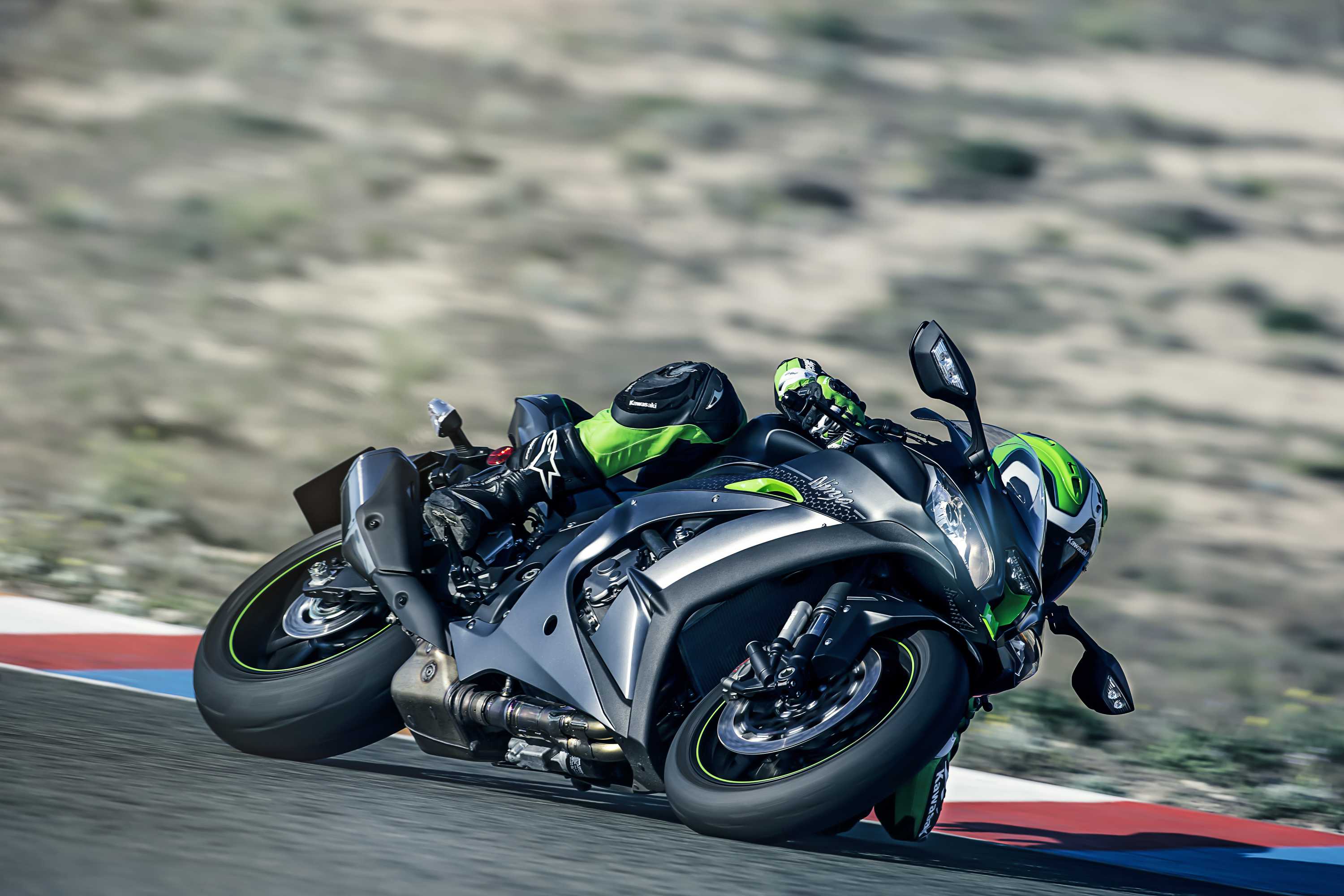
Kawasaki Unveils Upgraded Ninja ZX-10R SE

2018 KAWASAKI NINJA® ZX™-10R SE

BRINGING THE ULTIMATE WORLD SUPERBIKE DERIVED TECHNOLOGY TO THE NINJA® SUPERSPORT FAMILY

For 2018, Kawasaki takes supersport motorcycles to the next level by introducing the Ninja® ZX™-10R SE, boasting the latest in suspension technology and delivering the same sheer engine performance that has claimed FIM Superbike Manufacturers Championship each of the last three years.

The all-new Ninja ZX-10R SE features an array of upgrades, including highly advanced Kawasaki Electronic Control Suspension (KECS) that takes track-ready suspension with superb damping character offering an increased level of ride comfort on the street.

Kawasaki unveiled the latest championship winning Ninja® ZX™-10R platform in 2016 and with each successive year continues to refine it with engineering advancements leading to our most well-rounded sportbike model, the 2018 Ninja ZX –10R SE.

The 2018 Kawasaki Ninja ZX-10R SE:

NEW highly advanced Kawasaki Electronic Control Suspension (KECS) that automatically adjusts damping for street riding or circuit riding

Seven-spoke multi-directional forged aluminum Marchesini® wheels

Updated KQS (Kawasaki Quick Shifter) allows for ultra quick clutchless shifting

With the ultimate focus on outperforming the competition, the Ninja ZX-10R SE is the a premier street bike that will preform on the track.

SUSPENSION

NEW Kawasaki Electronic Control Suspension (KECS)

The Kawasaki Ninja ZX-10R SE motorcycle is built to take the rider’s confidence to the next level and has a clear performance advantage over its competition with Kawasaki Electronic Control Suspension (KECS). The front end consists of a Showa Balance Free Fork (BFF), which was derived from World Superbike competition and debuted in 2016 on a mass-production motorcycle with the Ninja® ZX™-10R sportbike.

The 2018 Ninja ZX-10R SE features front and rear suspension settings that have been strategically developed and premium wheels and tires, and ensure smooth weight transfer during both deceleration and acceleration.

A key feature with the Showa BFF is that the design of the hydraulic system eliminates the pressure balance fluctuations typically found in conventional forks. With the BFF, the damping valves are located in one place – outside the fork legs in the damping force chamber. This allows the entire surface of the fork pistons to push the hydraulic fluid toward the valves in the damping force chamber, with nitrogen gas in the compression chamber pushing back against the oil, helping to maintain the balanced pressure inside the fork tube.

The rear shock absorber is a Showa Balance Free Rear Cushion (BFRC) unit that is also derived from World Superbike competition. Just like the forks, the rear shock has a separate damping force chamber that houses the compression and rebound damping. By separating them, it again allows the entire damping piston to focus on hydraulic fluid movement. There is also external spring preload adjustment. The result is increased traction and superior shock absorption.

Compression and rebound damping for both the forks and shock are generated (and adjusted) electronically via the all-new KECS system that is controlled by a solenoid valve with direct actuation and allows for extremely quick reaction time. Riders can choose from three modes: road, track, and manual. The road and track modes allow for the rider to select their base settings based on the conditions that they are riding. Manual mode allows riders to tailor the rebound and compression damping base settings to suit preference and/or riding style. Manual setting has 15 levels of adjustability for rebound and compression damping and is selected electronically via the instrument panel. KECS adjusts the damping for vehicle speed, stroke speed, and deceleration in all three modes.

The forks and shock have built-in stroke sensors that provide real-time stroke speed and compression information. The sensor coils provide input to the KECS ECU every millisecond. This is complemented by information provided by the IMU (acceleration/deceleration) every 10 milliseconds, and the FI ECU (vehicle speed) every 10 milliseconds. The KECS ECU then directs current to the solenoids to adjust damping as required by the situation.

Kawasaki’s KECS, coupled with Showa’s BFF and BFRC suspension components, delivers added confidence when cornering and assures the tires feel planted.

TRANSMISSION

Clutchless upshifts & downshifts via KQS

The Ninja ZX-10R SE is configured with the same cassette-type, close-ratio transmission as the Ninja ZX-10R motorcycle. The gear ratios are idealized for optimum circuit riding performance. Short ratios for second through sixth gear deliver strong, yet controllable, acceleration when exiting corners. The slipper clutch in conjunction to the close ratios help ensure stable downshifts.

Formerly, the Ninja ZX-10R allowed clutchless, auto-blip downshifts only through fitment of race kit parts; now the Ninja ZX-10R SE provides that as a standard feature. This allows quick upshifts and downshifts without the need of a clutch or the need to match RPMs, resulting in quicker gear changes.

WHEELS, TIRES AND BRAKES

Seven-spoke forged Marchesini® aluminum wheels

The Ninja ZX-10R SE is fitted with seven-spoke, multi-directional forged aluminum wheels, which were jointly developed with Marchesini. These wheels contribute to lighter handling – especially when changing direction. They offer a balance of high rigidity and a significantly reduced moment of inertia (thanks to a design that centralizes mass at the hubs).

These Marchesini wheels can also be used on standard Ninja ZX-10R models. Parts necessary for compatibility, such as front brake discs and speed sensor ring, will be made available as Kawasaki Genuine Accessories.

The Ninja ZX-10R SE is outfitted with high performance Bridgestone Battlax RS10 tires, which includes 120/70 ZR17 front and 190/55 ZR17 rear sizing.

The Ninja ZX-10R SE motorcycle has been fitted with a Brembo® front braking system. This includes the very high specification M50 aluminum monobloc four-piston front calipers (with 30mm opposed pistons) and Brembo® front rotors. The rotors are cross-drilled and have a circumferential groove in the outer edge to aid heat dissipation.

COLORS

Ninja ZX-10R SE – Metallic Flat Spark Black/Metallic Matte Graphite Gray

MSRP

Ninja ZX-10R SE $21,899

ACCESSORIES

Kawasaki offers a full line of genuine accessories for the 2018 Ninja ZX-10R SE that allows customers to enhance performance, customize styling, and add extra protection to their motorcycle. Kawasaki worked very closely with Akrapovic to develop a performance slip-on muffler system that reduces weight and provides World Superbike styling. A factory paint matched seat cowl offers a custom look to those in search of one. To enable easy access to the rear end of the motorcycle, Kawasaki Genuine Accessories is offering a billet aluminum Bobbin Set, to provide work stand lift points that mount to the swingarm. A number of new protection items were added to the Kawasaki Genuine Accessories line up: frame slider set, front axel sliders, and tank & knee pad set, all aimed at keeping the fit and finish of the Ninja ZX-10R pristine. For storage protection, Kawasaki Genuine Accessories offers a premium and deluxe Ninja bike cover.

ABOUT KAWASAKI

Kawasaki Heavy Industries, Ltd. (KHI) started full-scale production of motorcycles over a half century ago. The first Kawasaki motorcycle engine was designed based on technical know-how garnered from the development and production of aircraft engines, and Kawasaki’s entry into the motorcycle industry was driven by the company’s constant effort to develop new technologies. Numerous new Kawasaki models introduced over the years have helped shape the market, and in the process have created enduring legends based on their unique engineering, power, design and riding pleasure. In the future, Kawasaki’s commitment to maintaining and furthering these strengths will surely give birth to new legends.

Kawasaki Motors Corp., U.S.A. (KMC) markets and distributes Kawasaki motorcycles, ATVs, side x sides, and Jet Ski® watercraft through a network of almost 1,100 independent retailers, with close to an additional 7,400 retailers specializing in general purpose engines. KMC and its affiliates employ nearly 3,100 people in the United States, with approximately 250 of them located at KMC’s Foothill Ranch, California headquarters.

Kawasaki’s tagline, “Let the good times roll.®”, is recognized worldwide. The Kawasaki brand is synonymous with powerful, stylish and category-leading vehicles. Information about Kawasaki’s complete line of powersports products and Kawasaki affiliates can be found on the Internet at www.kawasaki.com.
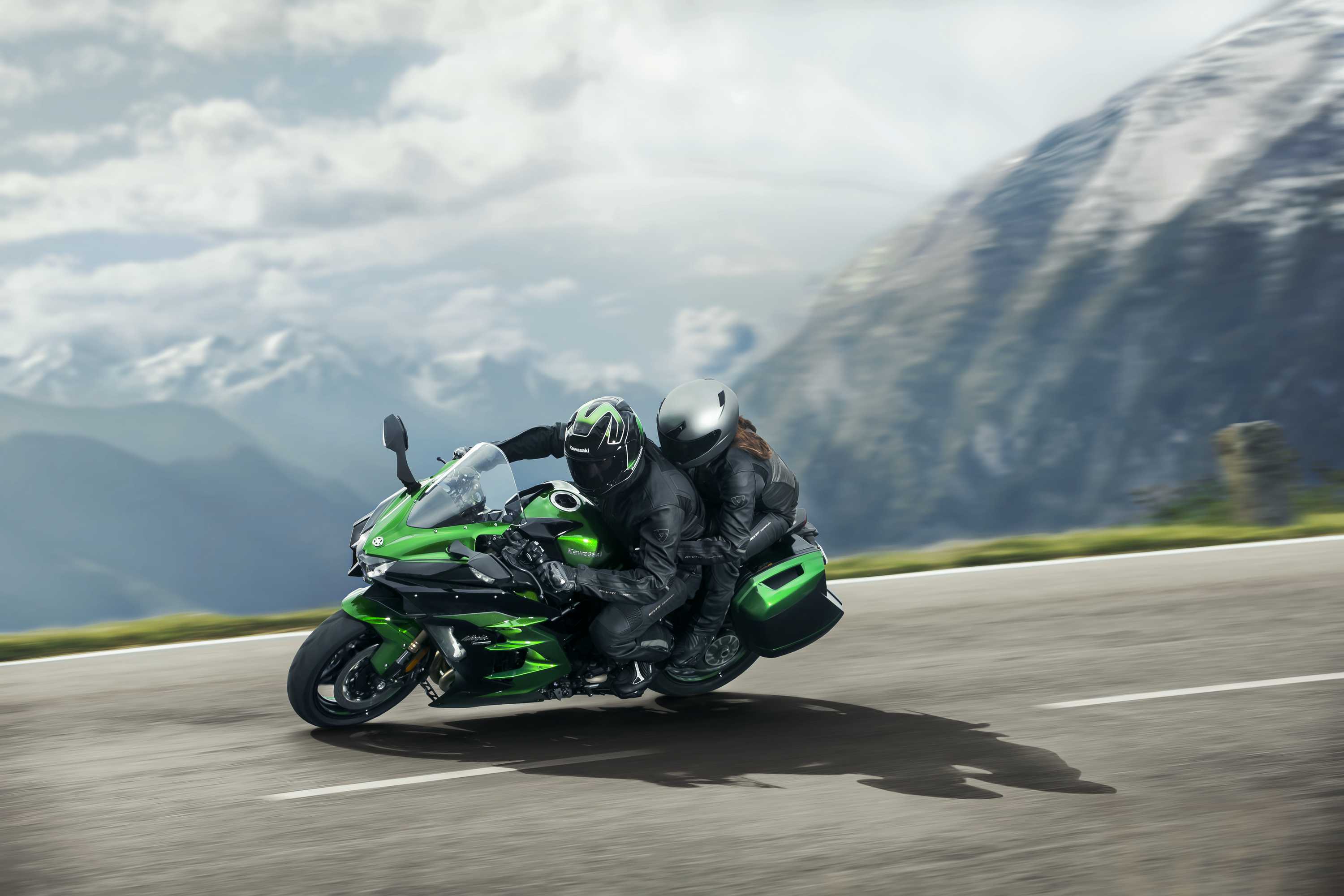
Kawasaki Releases Details About 2018 Ninja H2 SX

2018 KAWASAKI NINJA H2™ SX and NINJA H2™ SX SE

THE ULTIMATE SUPERSPORT MACHINE BUILT BEYOND BELIEF

The Kawasaki Ninja H2™ SX and Ninja H2™ SX SE are the world’s most advanced hypersport motorcycle, derived from the prestigious supercharged Ninja H2™ superbike family pedigree. Blending performance and ultimate real world handling, the new lightweight supercharged sportbike line of Ninja H2 SX motorcycles is sure to continue in the award winning ways of its counterparts, and become the new standard by which the sportbike category is judged.

Kawasaki is once again leading the way in bringing supercharged performance technology to a sportbike and increased functionality for everyday street use. In building the Ninja H2 SX, Kawasaki tuned the engine to provide power where it is most useful, in the low to mid range, With that, we have created one of the most advanced and well-balanced motorcycles in performance, comfort, and efficiency. It is truly Built Beyond Belief.

Developed for the daily applications of today’s sportbike rider, the Ninja H2 SX and Ninja H2 SX SE utilize a balanced supercharged engine that offers optimal output performance in the low to mid RPM range, all while achieving excellent fuel efficiency. This highly refined package has created an unrivaled level of performance and comfort, with agile handling, akin to its superbike counterparts.

This incredible duo shares many of the technologically advanced components of its supercharged hypersport counterparts, but is also refined for everyday street use. The Ninja H2 SX features a 998cc inline four-cylinder engine design, new balanced supercharger, single-sided swingarm, and dog-ring transmission, all new aggressive full fairing bodywork, new passenger friendly trellis frame, and Kawasaki first TFT LCD meter and full LED Lighting.

Highlights of the 2018 Kawasaki Ninja H2 SX & Ninja H2 SX SE Sportbikes:

  • NEW 998cc four-cylinder supercharged engine combines power, everyday usability and fuel efficiency
  • NEW Redesigned passenger friendly trellis frame, convenient KQR® luggage mounting, and longer wheelbase
  • NEW Aggressive full fairing bodywork
  • NEW Electronic cruise control for improved comfort on long distance rides
  • NEW Comfort designed seats
  • NEWAll-LED Lighting- headlamp, taillight, and licenses plate light
  • NEW High-Class instrumentation bank
  • Full suite of electronic rider assist functions

The Ninja H2 SX & Ninja H2 SX SE are designed to be premier, class-leading sportbike machines. The 2018 Kawasaki Ninja H2 SX and Ninja H2 SX SE feature brand new Kawasaki Electronic Cruise Control, Kawasaki Traction Control (KTRC), Kawasaki anti-lock Braking (KIBS), and Bosch IMU. Thanks to the Kawasaki proprietary software that works with the IMU, the Kawasaki Ninja H2 SX features six axes of measurement creating a highly advanced electronics package.

2018 Kawasaki Ninja H2 SX SE

  • NEW LED Cornering Lights
  • NEW High-class instrumentation Multi-Function TFT Color LCD Meter
  • NEW Larger Windscreen
  • Kawasaki Launch Control Mode (KLCM)
  • Kawasaki Quick Shifter (KQS) (up and down)
  • Steel Braided Brake lines
  • Heated grips
  • Centerstand

Kawasaki introduces the 2018 Ninja H2 SX SE motorcycle, a special edition model with many premium technical features as well as different fit and finish options.

The Kawasaki Ninja H2 SX SE features full LED cornering lights. Three lights built into both sides of the fairing are activated by the lean angle of the motorcycle (10o/20o/30o), creating a wider path of light. The SE’s multi-function TFT LCD Color screen enables information to be displayed graphically in two selectable display modes, Touring or Sport. Each of the display modes allows riders to prioritize the information they want to see depending on the kind of riding they are doing at the time.

The Ninja H2 SX SE has some premium performance features that are not found on the base model, such as Kawasaki Launch Control Mode (KLCM) and Kawasaki Quick Shifter (KQS). Kawasaki Launch Control Mode electronically controls the engine to assist riders by optimizing acceleration from a stop, minimizing wheel spin and wheelies. Designed to enhance sportbike performance, Kawasaki Quick Shifter allows for dual direction clutchless shifting. Steel braided brake lines are also incorporated to further enhance the performance of the Ninja H2 SX SE, which ensures a more direct transfer of hydraulic fluid between the piston and caliper, resulting in strong, powerful, and reliable braking performance. The SE model also features an enlarged windscreen to divert wind energy at speed and improve overall ride comfort.

The Ninja H2 SX SE is a beautiful piece of machinery. It is available in Emerald Blaze Green/Metallic Diablo Black, and features two-tone leather/suede seats further enhancing the unique design.

With the addition of the new Ninja H2 SX, and the new components of the Ninja H2 SX SE, the supercharged Ninja H2 family of motorcycles continues to set the bar as some of the most exciting motorcycles available.

Chassis

The Ninja H2 SX shares a trellis frame design similar to that of their Ninja H2 and H2™R counterparts, but it has been completely redesigned for compatibility with passengers and luggage. The new frame has a 430 lb payload. In addition to the increased payload capacity, the wheelbase and rigidity of the frame have also increased to ensure a smooth ride at highway speeds; it also features a 30-degree steering angle side to side to increase low speed maneuverability.

The Ninja H2 SX features a single-sided swingarm, similar to that of the Ninja H2 and Ninja H2R. The swingarm has been lengthened 15mm for improved performance. Designed to be lightweight whilst retaining high rigidity, the angular cross-section swingarm is constructed of forged aluminum.

Engine

While the engine & supercharger of the Ninja H2 SX appear very similar to other models in the Ninja H2 family, it has undergone several significant changes to create a new riding experience for the supercharged machine.

In order to achieve the desired fuel efficiency while maintaining the low to mid rpm performance characteristics of the award winning Ninja H2 platform it was critical to improve the engine’s thermal efficiency by increasing the compression ratio 8.5:1 to11.2:1; this was done by utilizing new cast aluminum pistons with a revised crown design, new cylinder head and cylinder. Also aiding in the pursuit of improved efficiency in street environments the intake and exhaust cam profiles were shortened to match the reduced airflow requirements of every day street riding, while also providing low-to-mid range performance and fuel efficiency. The Ninja H2 SX also features a new supercharger impeller, intake chamber, cams, and exhaust components to create a well balanced engine.

The street specific Ninja H2 SX supercharger design and tuning were developed by Kawasaki Heavy Industries, Ltd. (KHI) showcasing the in-house knowledge of forced induction engine performance. The supercharger’s high efficiency and minimal heat gain meant an intercooler was unnecessary, allowing savings in both weight and space. The supercharger is located centrally, behind the cylinder bank, in the best position to evenly distribute the compressed air to all four cylinders.

The supercharger is driven by a planetary gear train, which runs off the crankshaft. The gear train increases the impeller speed up to 9.2x the crank speed (1.15x step gear with an 8x planetary gear).

To facilitate smooth, quick shifting, a dog-ring-type transmission was selected, with optimal gear ratios for street performance. This is similar to the kind commonly found in MotoGP racing and was developed with feedback from the Kawasaki Racing Team (KRT). The dog-rings are lighter than conventional transmission gears; this type of transmission offers significantly lighter shift effort, facilitating quicker acceleration.

The Ninja H2 SX features a high-quality clutch with assist and slipper function working in unison with its dog-ring transmission. The assist and slipper clutch results in a lighter pull and stronger clamping force during clutch engagement. Additionally, the back-torque limiting slipper function of the clutch contributes to stability by helping to prevent wheel hop during downshifts.

Full Fairing & Relaxed Sporty Riding Position

The sleek full fairing bodywork of the Ninja H2 SX isn’t just for good looks; it also provides some protection to riders from the wind while riding. The ability to design and equip the Ninja H2 SX with a fairing wouldn’t have been possible without the highly efficient engine, that puts off significantly less heat than its Ninja H2 counterparts, all while maintaining the performance and fun that the supercharged Ninja H2 family is known for.

The riding position contributes a great deal to the comfort of a motorcycle, and the Ninja H2 SX has struck the perfect balance between relaxed and sporty riding positions. High-speed performance is difficult to achieve with an upright riding position, but the full fairing of the Ninja H2 SX provides superb wind protection that makes this achievable. The position is comfortable for both in-town riding and long touring, while still enabling the rider to enjoy sporty riding.

Fully Adjustable Suspension

The 43mm KYB front fork of the Ninja H2 SX is fully adjustable for compression and rebound damping as well as preload; the setting chosen for the fork ensures a balance of comfort and sport performance.

A fully adjustable KYB 40mm gas charged rear shock offers improved handling, and contributes to enhanced cornering performance as well. The shock features a piggyback reservoir, ensuring stable damping performance; it can also be adjusted for compression (high & low speed) and rebound damping as well as preload. An indispensable feature for any rider looking for comfort, the remote preload adjuster allows the rider to adjust settings for the bike’s load, on the road without any tools. The top of the rear shock mounts to the swingarm mounting plate, doing away with the need for frame cross members.

The bottom of the rear shock is mounted via a Uni-Trak® linkage and has updated ratios for 2018. The linkage, situated below the swingarm, also mounts to the swingarm mounting plate.

Comfort Designed Seats

The seats of the Ninja H2 SX put comfort at a premium for both the rider and passenger. In fact, the two front seats were designed: a standard Comfort Seat that offers the rider a relaxed knee bend and thicker urethane cushioning; and an accessory low seat (15 mm lower) that allows for shorter reach to the ground. The passenger seat also follows with the theme of maximum comfort; ensuring that everyone enjoys their ride.

Clean Mount Saddlebag System

The mounting system for the accessory saddlebags allows them to be attached and removed very simply, contributing to improved convenience. Seamlessly integrating the saddlebags with the rear of the bike, the clean-mount system positions them close to the bike centerline, which enhances its clean design, ensuring the rear of the bike still looks good with the saddlebags removed.

Full LED Lighting

From headlamp to taillight, all the lights on the Ninja H2 SX – even the license plate bulb – are LED.

High Class Instrumentation

The advanced, high-tech design of the instrumentation conveys the flagship-level quality of the Ninja H2 SX. A full digital LCD screen complements the analogue-style tachometer, enhancing data visibility. Riders are offered two selectable display modes: Touring Mode and Sport Mode, each mode allows them to prioritize the information they want to see depending on the kind of riding they are doing at the time.

Electronic Cruise Control

A first for Kawasaki sportbikes, electronic cruise control improves the overall comfort for those long days on the road. The new cruise control system enables riders to set and maintain their desired speed with the simple press of a button. Once activated, the rider does not have to constantly apply the throttle to maintain speed. The cruise control helps to reduce stress on the rider when traveling long distances, allowing the rider to relax and enjoy cruising, contributing to a high level of riding comfort.

Electronic Rider Assist Functions:

Bosch 5-Axis IMU

Kawasaki proprietary software allows for a sixth axis of measurement

Kawasaki Cornering Management Function

Kawasaki Intelligent anti-lock Brake System (KIBS)

The use of Bosch’s compact IMU allows an additional layer of precision to be added to the already high-level components. The system uses minimal hardware but complex Kawasaki proprietary software. IMU enables inertia along six DOF (degrees of freedom) to be monitored. Acceleration along longitudinal, transverse and vertical axes, plus toll rate and pitch rate are measured. The sixth axis, yaw rate, is calculated by the ECU using Kawasaki original proprietary software developed through World Superbike racing experience. Additional feedback from the IMU gives an even clearer real-time picture of chassis orientation, as it combines chassis orientation information with real time monitoring of the rider’s movements.

KTRC (Kawasaki TRaction Control)

The Kawasaki TRaction Control (KTRC) featured on the Ninja H2 SX has three modes for riders to choose from that enable optimal performance for a wide range of riding conditions, offering either enhanced sport touring performance or the peace of mind under certain conditions to negotiate a variety of surfaces with confidence. Kawasaki’s advanced modeling software, complemented by feedback from the IMU, delivers this one of a kind precise control, making it a motorcycle that is truly Built Beyond Belief.

KIBS (Kawasaki Intelligent Anti-lock Brake System)

Kawasaki’s supersport-style ABS is standard equipment on the Ninja H2 SX motorcycle. This is based on the same system used on the Ninja® ZX™-10R sportbike, with programming and settings revised to suit the performance parameters of both the sport and sporttouring category. High-precision brake pressure control enables the system to avoid reduced brake performance due to excessive pressure drops, allows lever feel to be maintained when KIBS is active, and helps ensure ABS pulses feel smooth (not heavy).

Kawasaki Engine Brake Control

The Kawasaki Engine Braking Control system allows Ninja H2 SX riders to set the level of engine braking according to preference.

Adjustable Power Modes

Riders can set power delivery to suit conditions and/or preference, choosing from Full, Middle (75% power), and Low (50% power).

COLORS

The 2018 Kawasaki Ninja H2 SX is available in Metallic Carbon Gray/Metallic Matte Carbon Gray. The Ninja H2 SX SE comes in a striking Emerald Blazed Green/Metallic Diablo Black.

MSRP

Ninja H2 SX $19,000

Ninja H2 SX SE $22,000

ACCESSORIES

Kawasaki offers a full line of genuine accessories for the 2018 Ninja H2 SX, which allows riders to equip their bikes with only what they find necessary. Kawasaki Genuine Accessories offers a frame slider set, Ergo-Fit reduced reach seat, KQR 28-Liter hard saddlebag set, Akrapovic slip-on muffler, helmet lock, and premium sport cover as well as a premium sport touring cover.

ABOUT KAWASAKI

Kawasaki Heavy Industries, Ltd. (KHI) started full-scale production of motorcycles over a half century ago. The first Kawasaki motorcycle engine was designed based on technical know-how garnered from the development and production of aircraft engines, and Kawasaki’s entry into the motorcycle industry was driven by the company’s constant effort to develop new technologies. Numerous new Kawasaki models introduced over the years have helped shape the market, and in the process have created enduring legends based on their unique engineering, power, design and riding pleasure. In the future, Kawasaki’s commitment to maintaining and furthering these strengths will surely give birth to new legends.

Kawasaki Motors Corp., U.S.A. (KMC) markets and distributes Kawasaki motorcycles, ATVs, side x sides, and Jet Ski® watercraft through a network of almost 1,100 independent retailers, with close to an additional 7,400 retailers specializing in general purpose engines. KMC and its affiliates employ nearly 3,100 people in the United States, with approximately 250 of them located at KMC’s Foothill Ranch, California headquarters.

Kawasaki’s tagline, “Let the good times roll.®”, is recognized worldwide. The Kawasaki brand is synonymous with powerful, stylish and category-leading vehicles. Information about Kawasaki’s complete line of powersports products and Kawasaki affiliates can be found on the Internet at www.kawasaki.com.
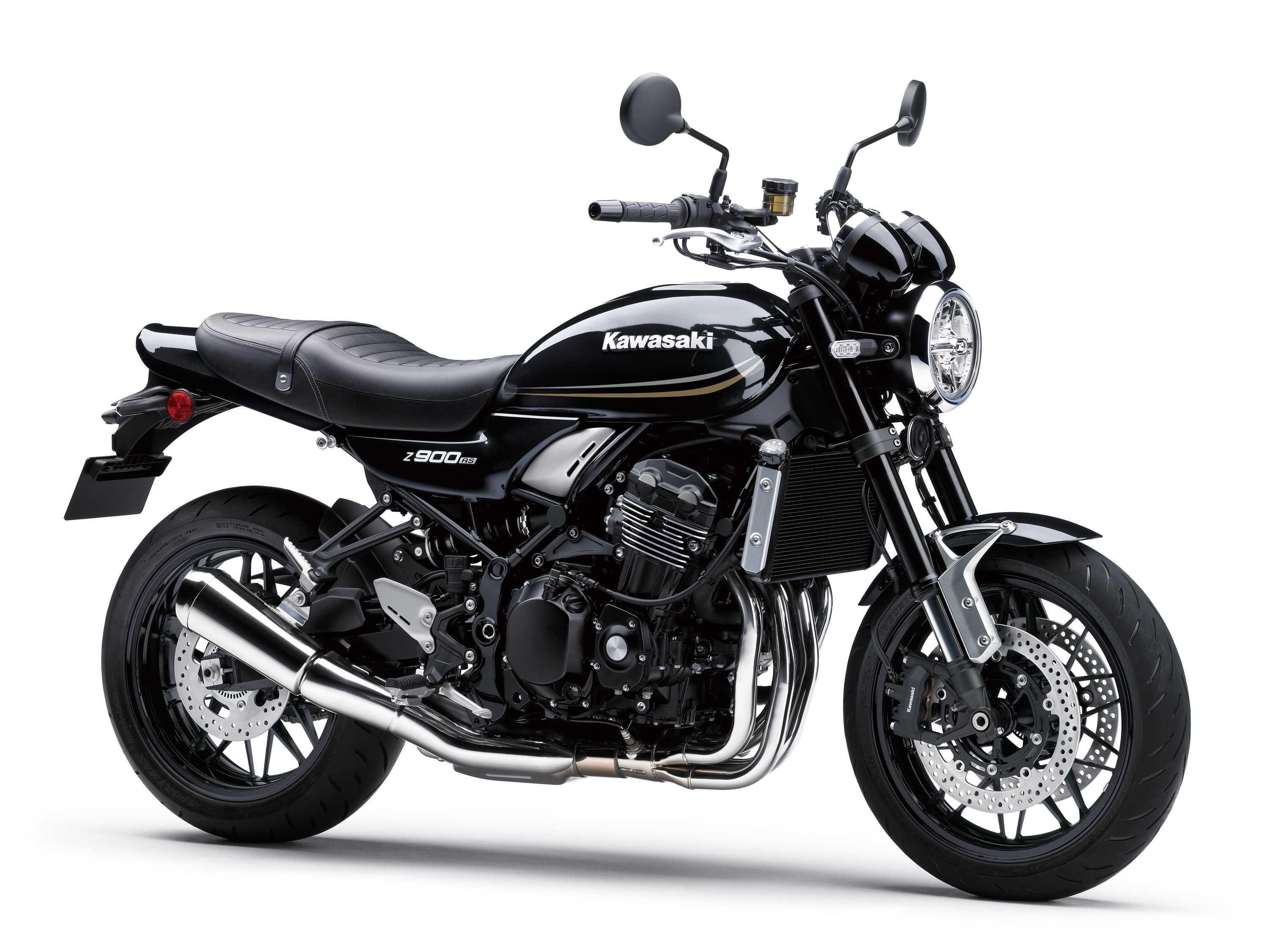
Kawasaki Introduces 2018 Z900RS Retro Model To U.S. Market

KAWASAKI BRINGS ADVANCED TECHNOLOGY TO A RETRO MODEL

The new Kawasaki Z900RS is Kawasaki’s long awaited foray into the retro genre of motorcycling. It is a true throwback to its 1970’s predecessor, the famed Kawasaki Z1.

Kawasaki is bringing class leading performance and technology to another category of motorcycles, the retro bike class. In building the Z900RS, Kawasaki has meticulously crafted one of the most authentic retro bikes in appearance and design, paying homage to the original Z1, all while tastefully incorporating modern technology and features.

Developed for riders in search of a well-rounded bike that is not only rich in history and character, but also packed with modern technology and handling features, the Z900RS is powered by a 948cc in-line four engine, features a modern trellis frame, and modern suspension components that bring an unmatched level of performance to the retro bike category.

The sleek sweeping contours and meticulous fit and finish of the Z1 redefined the standards of motorcycle design in the 1970’s. Kawasaki has applied the same meticulous attention to detail in building the Z900RS, from the iconic teardrop gas tank to the simple uncluttered engine design, all the way down to the retro themed headlight and tail cowl.

The newest addition to the Z family, the Z900RS, is packed with technologically advanced components and features, including the 41mm inverted front forks, slipper clutch, and Kawasaki Traction Control (KTRC). The bike also has some of its own new features as well, such as Kawasaki’s first fully tuned exhaust note, designed to elicit rider response when the 948cc in-line four cylinder engines roars to life, idling, and low speed riding.

Highlights of the 2018 Kawasaki Z900RS:

Strong, Smooth In-Line Four Engine

NEW Kawasaki Tuned Exhaust Note

Lightweight Trellis Frame

Z1-Inspired iconic styling

The stylish appearance of the standard Z900RS is available in Metallic Flat Spark Black and Candytone Brown.

Strong, Smooth In-Line Four Engine & Transmission

The Z900RS, features a liquid-cooled, DOHC, 16-valve 948cc in-line four cylinder engine. Its design and configuration offer a great balance of power and manageability, delivering strong low and mid range torque that provides all riders the reassuring feeling of control. Several engine components played a crucial role in achieving the smooth, reliable, consistent power needed for the Z900RS. Utilizing the downdraft positioning of the 36mm throttle bodies was crucial in allowing intake air to travel in the most direct route to the combustion chamber; which is all complemented by ECU controlled sub throttles that provide silky smooth throttle response. To achieve the desired engine performance on the low-mid rpm range, compression ratio was set to 10.8:1, intake cam profiles at 248o and exhaust duration at 244o.

To facilitate smooth shifting the gearing ratio of the Z900RS was designed to have a short first gear, making it easier to launch. It also features a longer sixth gear for improved ride comfort when touring or cruising at highway speeds and also allows the engine to operate at lower rpm, which in turn results in improved fuel efficiency and reduced engine vibration.

The Z900RS features a high-quality clutch with assist and slipper function working in unison with its transmission. Additionally, the back-torque limiting slipper function of the clutch contributes to stability by helping to prevent wheel hop during downshifts

Kawasaki’s First Tuned Exhaust Note

While Kawasaki in-line four cylinder engines have been historically known for their great-sounding exhausts, this is the first time that Kawasaki has used sound research to craft the model’s ideal exhaust note. Sound tuning on the Z900RS‘s engine was focused on the initial roar to life, idling, and low-speed riding where the rider is best able to enjoy the exhaust’s deep growl. To ensure both performance and the desired sound were achieved, every aspect of the exhaust system was scrutinized: exhaust pipe length, collector design, where to position the bends, even the density of the glass wool fibers in the silencer. More than 20 renditions of the system were tested before finding the perfect match. Clever internal construction of the pre-chamber achieves a balance of sound and performance, and at low-rpm, the exhaust escapes in a straight line, while at high-rpm the exhaust is routed through an additional passage.

The high quality stainless steel exhaust system features a 4-into-1-collector layout. The header pipes and pre-chamber are built as single unit. The exhaust headers feature a double-wall construction, which helps to minimize heat discoloration and provide protection from the elements. The 28.6 mm inner diameter of the header pipes was chosen to achieve the desired low-mid range engine performance, and the larger 38.1 mm outer wall of the header pipes provides a quality finish appearance flowing from the beautifully crafted in-line four cylinder engine. The compact stainless steel megaphone-style silencer contributes to the retro design of the Z900RS. To ensure the highest quality finish possible the header pipes, pre-chamber and silencer are all treated with a special three stage buffing process: the first is done as individual parts, the second is done once the exhaust is assembled, the third stage is a final buffing process.

Lightweight Trellis Frame

To achieve the desired weight, handling characteristics, and appearance, the Z900RS received an all-new high tensile steel trellis frame that was developed using Kawasaki’s advanced analysis technology. The lines of the frame were made as straight as possible, only utilizing bends when necessary, which has created a frame that disperses stress extremely well and offers very smooth predictable handling. Also aiding in the pursuit of lightweight and performance handling is the rigid-mounted engine, which is connected at five points to the frame: front and rear of the cylinder head, behind the cylinder, and at the top and bottom of the crankcases. Its minimalist design has helped to trim all unnecessary weight while showcasing its retro styling.

The Z900RS has a laid back and relaxed design to it, which was achieved by raising the front and lowering the rear. Along with an entirely new frame, the Z900RS also features a new upper-triple clamp, which increases the steering offset to 34 mm, which reduces trail. and contributes to light operation.

Suspension

Complementing the ride comfort of the all-new performance designed trellis frame is a 41mm inverted fork and Kawasaki’s Horizontal Back-Link rear suspension design. The high-grade fork features fully adjustable 10-way compression and 12-way rebound damping, enabling riders to find their precise settings to suit their preference and riding style. Enhancing the performance of the rear is Kawasaki’s Horizontal Back-Link rear suspension design. The rear shock features fully adjustable rebound damping and preload. This arrangement contributes to mass centralization while ensuring that the suspension is located far enough from the exhaust that it is not affected by heat.

Braking

Handling the stopping duties of the Z900RS is a full disc brake setup featuring modern ABS. The Radial-pump front brake master cylinder commands a pair of 4-piston radial-mount monobloc calipers to grip a pair of 300 mm brake discs, providing plenty of stopping power. The rear brake features a single piston, pin-slide caliper gripping a 250 mm disc.

Kawasaki TRaction Control (KTRC)

The Z900RS is equipped with Kawasaki TRaction Control (KTRC), which has two performance settings riders can choose from: Mode 1 prioritizes maximum forward acceleration, while Mode 2 provides rider reassurance by facilitating smooth riding on slippery surfaces.

When selected, Mode 2 utilizes the same logic and control as Mode 1,but enables riders to better negotiate both short patches of slippery terrain, such as train tracks or manhole covers, and extended stretches of other less predictable surfaces. Wheel spin is also limited when starting on a slippery surface. However, when excessive rear wheel spin occurs, Mode 2 switches to three-way control,

which governs the ignition timing, fuel delivery and airflow, and engine output is reduced to a level that allows the rear wheel to regain grip. This fine control results in a very natural feeling with smooth engagement and on/off transition. Riders may also elect to turn the system off to enjoy the raw feel of riding.

Retro Styling

It was crucial that the appearance of the Z900RS pay homage to its predecessors, specifically the Z1. This dictated many elements of the design of the bike, such as the bodywork, the fit and finish of the engine, and even the wheels.

The centerpiece of the Z900RS is the beautiful four and a half gallon teardrop fuel tank, which is reminiscent of the Z1. The entire frame was designed around positioning and showcasing the beautiful fuel tank. The retro vibe also influenced the large 170 mm LED headlamp, which blends old school looks and modern designs. Position lamps in the high-beam chambers ensure the whole lamp appears lit, like a retro-style bulb headlamp; a convex lens and chromed headlamp ring add to the high-quality finish and appearance. The duckbill tail cowl of the Z1 also inspired the flowing design of the rear cowl on the Z900RS. The oval design of the LED taillight also pays homage to its Z1 lineage. Unlike standard LED taillights that appear as a collection of dots, the surface-emitting LED taillight lights up as a solid surface. An analogue-style speedometer and tachometer give off the retro vibe for the gauges, which is contrasted by a multi-functional LCD screen with an easy-to-read black and white display that continues the theme of blending retro styling and modern technology.

The simple, uncluttered engine design was very important to Kawasaki engineers when building the Z900RS. The engineers wanted to capture the air-cooled & carbureted feel, to really make the bike stand out in an age where electronics have become increasingly popular to find in the engine bay. The stylish engine fins were cast onto the cylinder head to create the image of an air-cooled engine. The long, flowing stainless steel header design that mates to the short, low hanging megaphone silencer are true throwback to how bikes used to be built.

The cast aluminum wheels chosen for the Z900RS feature flat spokes designed to look like classic wire-spoked wheels. Designed using Kawasaki’s advanced analysis technology, the wheels offer a balance of lightweight and stylish looks, contributing to both handling and a design suited to the retro category.

Numerous Accessories

Kawasaki offers a full line of genuine accessories for the 2018 Z900RS, which enable customers to personalize their bikes to their liking in a number of different ways. Kawasaki Genuine Accessories offers a frame slider set, front axel sliders, radiator trim, and a tank pad. Kawasaki Genuine Accessories offers grip heater set, Ergo-Fit reduced reach seat, and a smoked wind defector. Styling, being one of the most important elements to a motorcyclist, Kawasaki Genuine Accessories made sure to offer a wide variety of options: retro Kawasaki tank emblem set, oil filler cap (Black, Gold or White), KYB fork cap set (Black or Gold), silver gauge trim, passenger grab bar, side grip set, Akrapovic slip on muffler and a center stand.

ABOUT KAWASAKI

Kawasaki Heavy Industries, Ltd. (KHI) started full-scale production of motorcycles over a half century ago. The first Kawasaki motorcycle engine was designed based on technical know-how garnered from the development and production of aircraft engines, and Kawasaki’s entry into the motorcycle industry was driven by the company’s constant effort to develop new technologies. Numerous new Kawasaki models introduced over the years have helped shape the market, and in the process have created enduring legends based on their unique engineering, power, design and riding pleasure. In the future, Kawasaki’s commitment to maintaining and furthering these strengths will surely give birth to new legends.

Kawasaki Motors Corp., U.S.A. (KMC) markets and distributes Kawasaki motorcycles, ATVs, side x sides, and Jet Ski® watercraft through a network of almost 1,100 independent retailers, with close to an additional 7,400 retailers specializing in general purpose engines. KMC and its affiliates employ nearly 3,100 people in the United States, with approximately 250 of them located at KMC’s Foothill Ranch, California headquarters.

Kawasaki’s tagline, “Let the good times roll.®”, is recognized worldwide. The Kawasaki brand is synonymous with powerful, stylish and category-leading vehicles. Information about Kawasaki’s complete line of powersports products and Kawasaki affiliates can be found on the Internet at www.kawasaki.com.
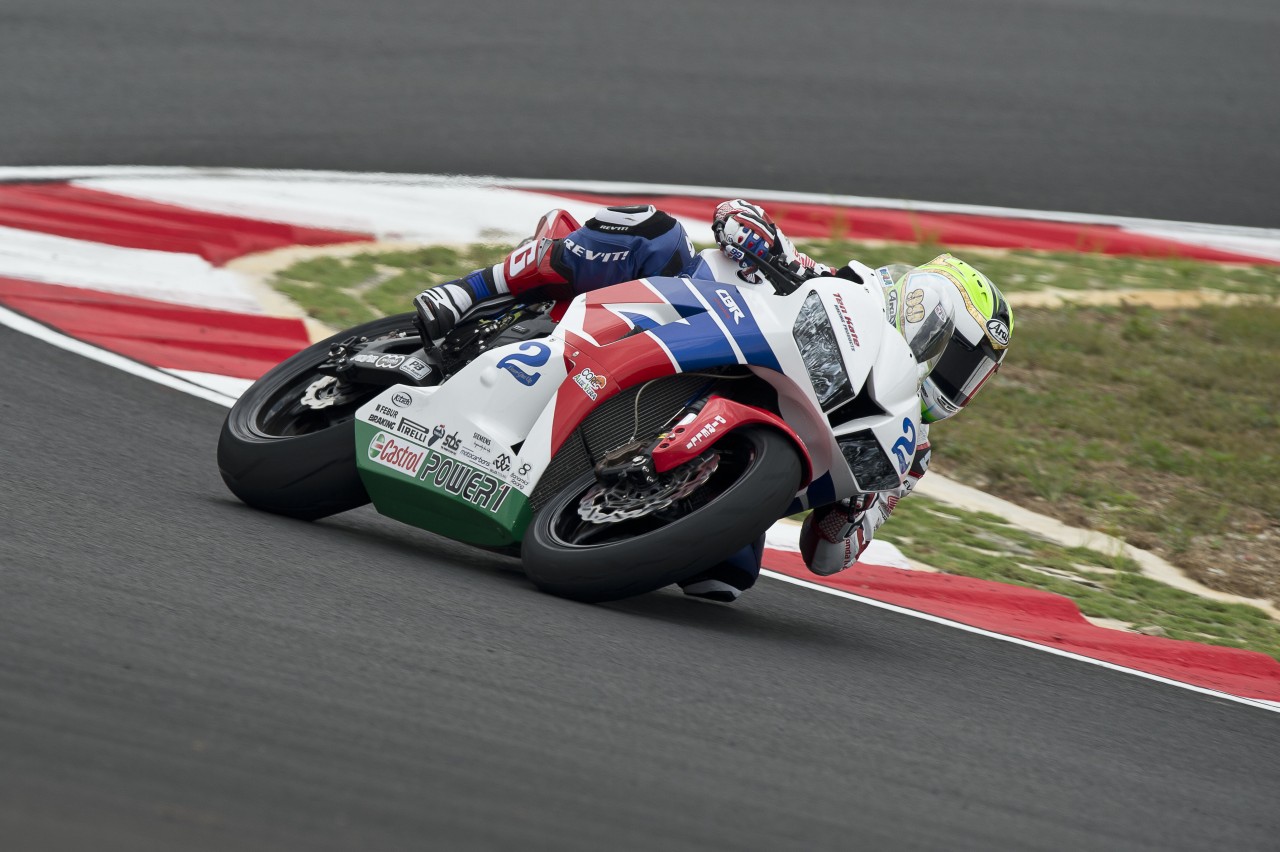
World Superbike: American PJ Jacobsen To Ride For TripleM Honda Satellite Team In 2018

PJ Jacobsen graduates to WorldSBK championship with TripleM Honda WSBK Team in 2018

Patrick ‘PJ’ Jacobsen will race the Honda CBR1000RR Fireblade SP2 for the TripleM Honda WSBK Team in the 2018 FIM Superbike World Championship. After several years racing at the front of the field in the World Supersport championship, the 24-year-old American is ready to make his debut in the prestigious class by becoming the standard-bearer of Honda’s new satellite team in the series.

This is a welcome return to the Honda family for Jacobsen, who in the two-year period from 2015-2016 was able to put together a tally of two wins, eleven podiums, two pole positions and three fastest laps with Honda machinery in World Supersport – along with the runner-up spot in 2015. The following year, Jacobsen also impressed on board the previous model of the Honda CBR1000RR Fireblade in the Endurance World Championship, riding for the F.C.C. TSR Honda Team at Portimão and Suzuka.

Patrick Jacobsen 99

I’m very excited to be making my World Superbike debut with TripleM Honda WSBK Team. It’s a great opportunity for me to be finally racing in this class and I want to thank the team and Honda for making this possible. Both the team and I will be rookies in the WorldSBK championship so there’ll surely be a lot to learn, but it’s a challenge that stimulates me and I can’t wait to get started. I enjoyed racing the Fireblade in the EWC two years ago and I love riding 1000cc bikes, so I’m looking forward to trying the new Honda CBR1000RR Fireblade SP2.

Marco Chini

Honda’s WorldSBK Operations Manager

We’re happy to welcome back PJ in the Honda family. He’s a young and very talented rider who has a good amount of experience across different championships, so it will be good to see him riding the Honda CBR1000RR Fireblade SP2 in World Superbike. I reckon the TripleM Honda WSBK Team is the perfect fit for him because they can learn and grow together in the series during their first year. We look forward to seeing PJ out on track in Honda colours again.

MotoAmerica: Thrashed Bike Racing And Max Flinders To Step Up To Superbike Class In 2018

Thrashed Bike Racing 2018 season

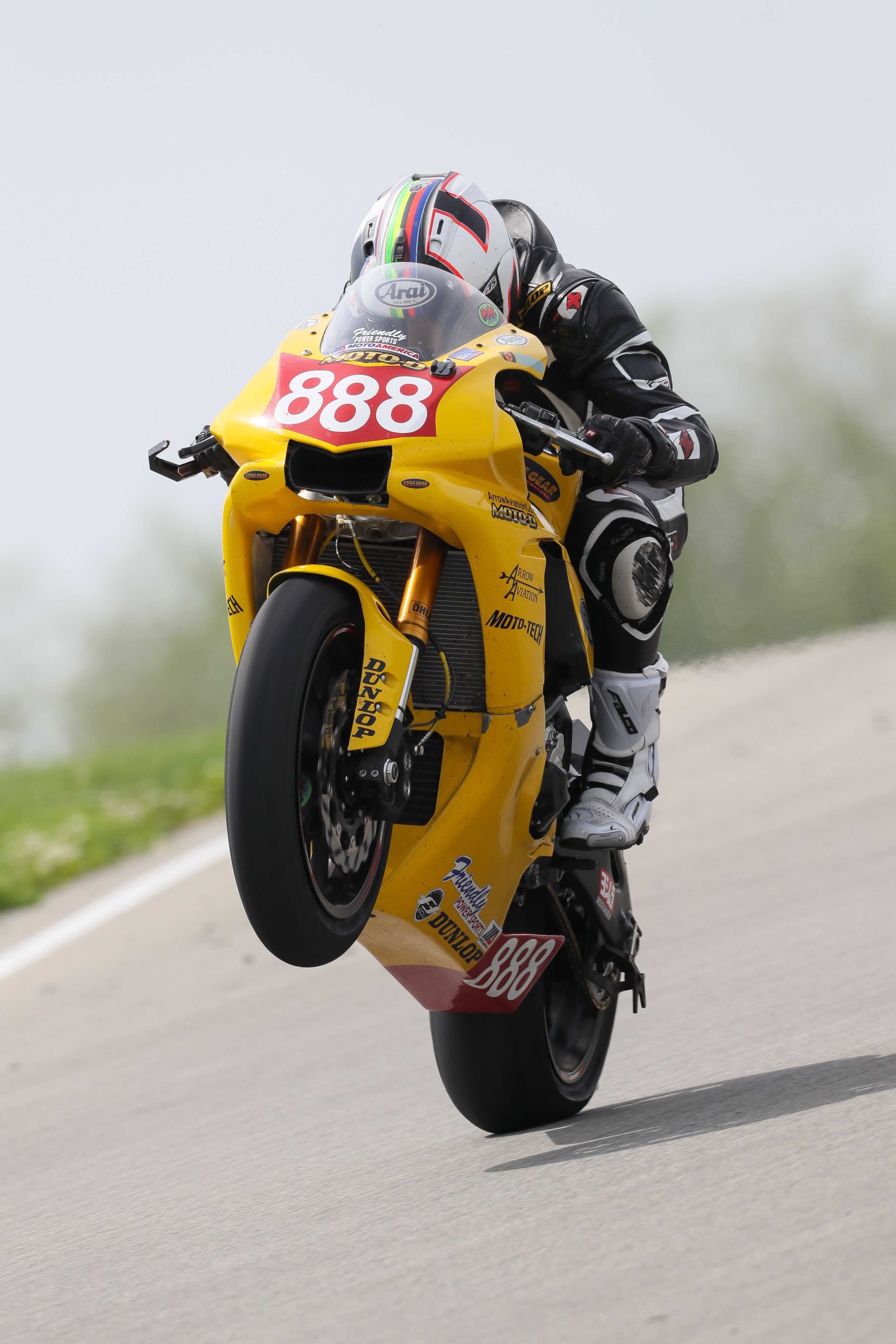
Thrashed Bike Racing is excited to announce its plans for the 2018 MotoAmerica season. Following a team review of the new structure announced by MotoAmerica, Thrashed Bike Racing has decided to join other non-factory teams and move up to a full Superbike entry for 2018. The team will run a single rider team onboard a Yamaha YZF-R1.

This decision was made at the annual meeting of the team principals in New Orleans over the Thanksgiving holidays.

Team owner Tim Ivanoff stated, “With the changes announced in the series and our team intent to ‘show case’ the best young talent at the highest level of US motorcycle sport it was an obvious decision to make. We know the challenges will be difficult and the cost of running a season at this level is higher but our resolve is firm. The team will continue in 2018 to be one of the smallest, friendliest and most consistent teams in the paddock.”

Team commercial director, Mike Ludwig commented, “We know what we can deliver in 2018 even with our limited resources. Our commitment is strong, our product sponsors are committed and we are working hard at bringing new financial sponsors to the team to help with the costs of competing at this level. We know that the team has a great fan base and with the exposure that MotoAmerica receives in the cyber world as well as on live television makes it a great shop window for any business.”

History.

Thrashed Bike Racing started with a season entry in the Harley-Davidson XR1200 national series, formed, owned and financed by the legendary Tim Ivanoff from Breaux Bridge in Louisiana. Tim’s love of American twins saw the team refocus on the MotoAmerica Superstock championship with an EBR 1190RX in 2015. Unfortunately, the demise of EBR meant that the team looked for a new machine and they focused on the Yamaha R1 which they ran in the 2016 (8th place) and 2017 (7th place) seasons. The team has grown and now has a committed group of motorcycle and aerospace professionals as well as a growing army of enthusiasts running the team under the watchful guidance of Tim.

Thanks to – Arrow Aviation, Liqui Moly, Friendly Powersports, Arai Helmets, Oxford Products, Moto-D, Moto-tech, Cycle Gear and the army of fans. SEE YOU AT THE RACES!

Recent Birth: Euclid Hawk Hayes

0

Four-time AMA Pro Superbike Champion Josh Hayes and wife and professional motorcycle road racer Melissa Paris had a son, Euclid Hawk Hayes, November 28, near Oceanside, California.

Fastrack Academy III: Connor Funk Wins BMW S1000RR Grand Prize

Fastrack Riders Academy & Apex Club

2017 Fastrack Academy III Concludes

SAN DIEGO, CA – November 29, 2017 – Fastrack Academy class of 2017 concludes in great fashion Sunday, November 26 at Auto Club Speedway with Team Ulrich’s Connor Funk taking the first place grand prize, a BMW S1000RR. Devin Strange, McNamara and Joe LaCroix for a close second, third and fourth respectively.

Connor comments: “I transitioned from F2000 and karting to motorcycles a year prior to beginning my Fastrack Riders Academy transformation. Although I really enjoyed track-days on a 250cc, I wanted to really test myself and learn how to properly extract the maximum from a 600cc. So I asked my father if he would let me borrow his bike (which he wasn’t too keen on until I showed him the grand prize – a BMW S1000RR!), and we both began an amazing journey on and off the track. Without a doubt, the Academy was the most transformational experience I have ever undergone. The real prize was going from a 1.51.1 first lap to a 1.40.2 final lap over three extraordinary months. With that said, the trophy is the best I (and my father) have ever received! I have to thank my coaches Chris Ulrich, Terry Heard, and Cameron Gish for providing a wealth of knowledge and feedback over the course of the Academy. I couldn’t have done it without them. I have to thank Fastrack Riders for providing this amazing program at a fantastic venue. It was the chance of a lifetime. Finally, I have to thank my family for their support. Thanks for letting me use your bike, Dad! I brought home a new one!”

This was the third year running of Fastrack Academy. New tests are added to the program each year as a surprise and this round a Progression Data Analysis test sponsored by LitPro was introduced. Gymkhana and a bicycle challenge were also run as a result of their great success in the prior year.

“I really enjoyed working with the group of students assigned to Team 18 during 2017 Academy,” said Chris Ulrich, a former professional Superbike racer, a race team owner, and Connor’s lead coach. “All of them were very coachable and believed in my plan to improve their execution of the fundamentals so they could go faster without adding unnecessary risk. And in the end, they were all rewarded for their work with massive lap-time improvements.

“I’m especially proud of Connor, who was one of the most unassuming students on my team,” continued Ulrich. “He calmly and quietly went about his business, doing all the work and more, advanced to the finals, then took the overall win! He was a model student and I’m thankful for his trust. Enjoy your new BMW S1000RR, Connor!

“I also have to thank Cameron Gish for subbing for me at Round One while I was at Barber Motorsports Park for the MotoAmerica finale, and thanks to my Assistant Coach Terry Heard for his help and trusting in my coaching process. Bring on the 2018 Fastrack Academy!”

Chris’s Assistant Coach Terry Heard adds: “I’m proud of all four of our riders, all four progressed. The scoring was extremely close this year and I was delighted that one of ours is taking home the big prize. Connor is an excellent young man and exhibited in many ways a perfect case of picking one’s self back up to continue driving to the finish line, never giving up.”

Mr. Imad Samhat, Fastrack Rider’s owner notes: “Again we had amazing results with all participants progressing significantly, which clearly showed in their lap times and even more so with precise detail in their LitPro data analysis and scoring. It was an eventful round, no question about it. We’re proud to have the program with the best coaches and supporting staff, and I’m thankful to all our customers, always.”

Fastrack works closely with organizations such as USMCA (United States Motorcycle Coaching Association) and MIC (Motorcycle Industry Council) and continues its coaching programs with top level professional road racing coaches such as Eric Bostrom, Jake Zemke, Jeremy Toye, Chris Ulrich, Chris Fillmore, Steve Rapp, and Ben Bostrom. Eric Bostrom recently stated, “You can easily predict the outcome if riders are being trained by unqualified coaches. Fastrack is providing channels that positively influence the outcome and improve the skills of the future generation of riders”

www.SoCalBMWMC.com

Follow Fastrack Riders on Social Media and email any questions directly to [email protected]

ABOUT FASTRACK RIDERS ACADEMY

An exclusive rider development academy led by professional racers. The three-months program will offer many prizes including a Brand new motorcycle. Every Participant who completes the Academy will be recognized by the Pro Coaches and will receive a Fastrack Riders Certification signed by all the coaches. Some highlights of what the Academy will include: on and off track training from the Pros; In-helmet live communication while on track; In-class and On-board videos; Social Media involvement and voting.

2016 Academy Video: https://www.facebook.com/fastrackriders/videos/10…

Academy details and application download: https://fastrackriders.info/academy-program-detai…

About Fastrack Riders Academy & Apex Club

Established in 1989, the Fastrack Riders Academy & Apex Club is Auto Club Speedway’s official exclusive motorcycle partner. This world-class, multi-use superspeedway facility is ideally located in Fontana, California, just 30 miles from Los Angeles.

Sponsored by BMW and KTM, Fastrack unites riders of all skill levels in a unique environment while hosting Southern California’s most convenient, best organized, all-inclusive trackdays on a challenging 2.36-mile, 21-turn roadcourse.

Much more than a simple trackday organization, Fastrack Riders added the Academy and Apex Club monikers in 2016 to better reflect the diversity of its offerings. Blending a five-stage moto-education program with an array of extracurricular activities on and off the racetrack, every Fastrack day a multi-layered event for sportbikers to enjoy in an open, friendly, club-like atmosphere.

For more in-depth information about the Apex Club’s many unique programs and special events, please visit FastrackRiders.info. Trackday enthusiasts have an open invitation to become engaged members of it growing community by liking Fastrack’s Facebook page and following the action on its YouTube, Instagram and Twitter feeds.

Fastrack Riders Academy & Apex Club

FastrackRiders.info

877-560-2233

PO Box 270251

San Diego, CA, 92198

[email protected]

Auto Club Speedway

AutoClubSpeedway.com

909-429-5000

300 Cherry Avenue

Fontana, CA 92335

American James Rispoli Returning To British Supersport Championship In 2018

Rispoli and Estment join Everquip Racing for Dickies British Supersport title fight

The Everquip Racing Yamaha team have announced their international line-up of American James Rispoli and South African Bjorn Estment for the 2018 Dickies British Supersport Championship.

Rispoli returns to the Supersport class where he has previously been a podium finisher, whilst Estment is preparing to build on his debut season with the team in 2017.

Rispoli said: “I am stoked to be joining the Everquip Racing team next season. I had success in Supersport before and I am really excited about getting back into that championship and being in the mix again in 2018. The team are really awesome and I am looking forward to making the most of this opportunity. I have some time now home in America so I will be ready to come back and hit it hard when we start testing before round one.”

Estment said: “I’m thrilled to announce my second year with Everquip Racing; we began this journey a year ago and have built the team up in just one season to be a real force to be reckoned with. The back end of 2017 saw us take some solid consistent results and I’m super confident with the really positive structure changes we can get the job done in 2018.

“I can’t wait to get pre-season testing on the go and fight for podium positions in 2018 that’s the goal. I need to say a massive thanks to Everquip, Total Building Services and all the team for giving me this opportunity. Finally, a big shout out and Happy Birthday to our boss Stuart today. Hell Yeah!”

Team Owner Stuart Everard commented: “Everquip Racing are thrilled to announce our rider line-up for the 2018 Dickies British Supersport Championship. Next year we bring a truly international line up; South African talent Bjorn Estment will be joined by the American star James Rispoli. We will continue with the Yamaha R6 and we are set on one goal and that is fighting for race wins and the championship! The team will now continue with its extensive preparation for our 2018 campaign.”

For more information please visit www.jamesrispoli.com

Dunlop Hires Racer Taylor Knapp As Test Rider, Expands Operations At Its Proving Grounds In Alabama

Buffalo, NY: Dunlop is expanding operations at the Proving Grounds in Huntsville, Alabama; a dedicated tire testing facility. In addition to significant facility and track upgrades, Dunlop has hired Taylor Knapp to join its motorcycle tire testing team.

Knapp started flat track and motocross racing at age five, winning many amateur national motocross championships. He started road racing at age 13, and turned pro at age 16. He has raced in the British Superbike series, and has been a factory Superbike rider with KTM and Buell. Knapp had his best MotoAmerica season to date in 2015, scoring 13 podium finishes in the Superstock 1000 class, including a victory at Virginia International Raceway, and finishing runner-up in the championship.

“We’re thrilled to expand our capabilities at the proving grounds with the changes we have made there, and the addition of Taylor as a motorcycle tire test rider,” said Mike Buckley, Dunlop Motorcycle’s Vice President of Sales and Marketing. “Our proving grounds is the only one of its kind in the U.S., and it plays a critical role in the tires we develop and manufacture in the U.S. These changes will help us do an even better job of delivering class-leading premium tires to our customers.”

Dunlop’s proving grounds, together with the high-tech manufacturing plant in Buffalo, New York—the only motorcycle tire plant in North America—gives Dunlop the capacity and flexibility to design, engineer, and manufacture new cutting-edge tire technologies in America for American riders.

Kawasaki’s New Ninja 400 Makes North American Debut

2018 KAWASAKI NINJA® 400

NIMBLE HANDLING AND HIGH PERFOMANCE APPEALS TO WIDE RANGE OF RIDERS

The stacked and always competitive small displacement sportbike class once again has a new leader by which all others will be judged: the all-new Kawasaki Ninja® 400 ABS and Ninja® 400. The sporty, lightweight, nimble handling platform of the Ninja 400 offers riders plenty of excitement, while also maintaining its reputation for appealing to a broad range of customers.

Kawasaki is no stranger to leading the way in performance and technology in the small displacement sportbike segment, one which Kawasaki pioneered with the Ninja® 250R motorcycle. The all-new Ninja 400 encapsulates the winning formula of its Ninja® predecessors and a decade’s worth of small displacement, sportbike knowledge of how to build the optimal motorcycle. One that not only has stunning looks, but also increased engine performance, improved handling, and lighter weight, all to get to the head of the class.

The Ninja 400 was developed to suit a wide range of riders, allowing them to have a bike that provides plenty of excitement while still feeling in control. Thanks to its efficient design, the new compact, lightweight engine provides a class leading power to weight ratio. The power delivery was designed to be smooth and manageable, with abundant low-end torque to give smooth throttle control for all riders. Complementing the performance and handling of the new Ninja 400 is the sharp looking Ninja sportbike styling, designed to catch the eye of even the most seasoned of riders.

The newest addition to the Ninja family, the Ninja 400 is packed with premium class leading components and advanced technology, such as the 310 mm front disc and 41mm inverted fork. Supplying the power to let the good times roll is an all-new 399ccparallel twin four-stroke engine, which is paired with an all-new lightweight trellis frame.

Highlights of the 2018 Ninja 400

  • Powerful, Rider-Friendly 399cc Parallel Twin
  • Lightweight Trellis Frame, providing nimble, confident handling
  • Significantly Lower Weight
  • Relaxed, Sporty Riding Position
  • Easy Reach to the Ground
  • Superb Ride Comfort & Excellent Wind Protection

Parallel Twin Engine & Transmission

The Ninja 400 features a compact, lightweight, and efficient 399cc liquid-cooled four-stroke parallel twin engine. The increased displacement comes by way of the 70.00 mm x 51.8 mm bore & stroke. Performance increases were also achieved through airbox and intake modifications, as well as engine internals.

Significant performance gains are due to the new downdraft intake, which increases performance especially at high rpms and larger air box, which offers increased intake efficiency. The downdraft intake utilizes the shortest and most direct path for air to enter the cylinder, which improves cylinder-filling efficiency and contributes to increased engine power, especially at high rpm. Airbox volume has been significantly increased to 5.8 liters. The new airbox features revised rigidity at the top of the airbox, which eliminates unwanted noise, enabling riders to more clearly hear the engine’s intake note when accelerating. Different height intake funnels contribute to the engine’s smooth response by allowing torque valleys to be tuned out.

Starting from scratch, a new engine design allowed Kawasaki engineers to build the optimal performance engine with high grade components, such as the new 32 mm throttle body that helps flow the greater volume of air from the revised intake, contributing to strong high-rpm performance. The throttle body butterfly valves are oval-shaped to allow their closed position to be set at an angle, allowing for quicker throttle response as the valves open from initial valve rotation. Intake and exhaust valve diameters were chosen for optimal high-rpm performance. The intake valves are 27.5 mm, while the exhaust valves are 23.5 mm. The new intake design allowed for the injectors to be positioned closer to the throttle valves, enabling them to spray fuel directly onto the valves, which increases combustion efficiency and results in a linear throttle response. Kawasaki’s modern fuel-injection tuning allowed for the elimination of the sub-throttles on the Ninja 400 providing for additional weight savings.

The engine design of the Ninja 400 contributes to the lightweight of the bike and was achieved through a number of components. The aluminum die-cast cylinder with an open-deck design offers excellent heat dissipation and contributes to low engine weight; it is also sleeveless and features plated bores. The cylinder has been tilted forward 20 degrees to aid in achieving a short engine. Complementing the new cylinder design is a flatter piston crown with reduced squish, which contributes to the higher 11.5:1 compression ratio. Oil jets help cool the underside of the pistons to allow for a lighter piston design. Also aiding in the creation of a lighter and shorter engine was the decision to move the cam chain to the outside of the engine and the primary reduction gear line inside; it also shifts engine volume forward so that the rear of the engine could be slim. Forged camshafts, something rarely found on small displacement machines, were also utilized to contribute to the weight reduction efforts for the Ninja 400, saving nearly a half-pound. Additionally, a completely revised layout for the cooling system minimizes external piping and saves weight.

To enable smooth and seamless shifting, a close gear ratio was chosen for the transmission, with gears progressing easily from one to the next. Complementing the transmission is a new and more compact assist & slipper clutch, with less rigid operating plates that creates a lighter feel at the lever; the new clutch has a wider engagement range, enabling improved control.

When excessive engine braking occurs as a result of quick or accidental downshifts, the slipper cam comes into play, forcing the clutch hub and operating plate apart, which relieves pressure on the clutch plates to reduce back-torque and help prevent the rear tire from hopping and skidding.

Innovative Kawasaki technology such as the new radiator fan cover, which is located behind the radiator, directs hot air out to the sides away from the rider, reducing rider discomfort. Redirecting the hot air also helps keep the tank, frame and other parts that contact the rider cooler. The new heat management system was designed using Computational Fluid Dynamics analysis, and unlike the previous version it requires no parts to direct airflow inside the engine compartment.

Chassis

Kawasaki’s advanced dynamic rigidity analysis research was utilized in designing the trellis frame of the Ninja 400 to ensure optimum rigidity and produce nimble supersport handling characteristics. A rigid mounted engine with short mounting brackets was used as a stressed member in the frame to increase rigidity. The new chassis has a supersport-style design with a short-wheelbase and long swingarm, which is complemented by a steep caster angle that delivers sporty natural handling. A shortened wheelbase on the new Ninja 400 significantly improves the handling compared to its predecessor and the overall wheelbase measurement for the Ninja 400 is 53.9 inches, nearly an inch shorter than the Ninja 300. The new frame & engine design contributes significantly to the bike’s low curb mass.

While it was important to decrease the weight and wheelbase of the new chassis design, it was also crucial to maintain the supersport handling characteristics, by adding length to the swingarm. Additional weight savings came as a result of the swingarm and mounting plate design. The die-cast aluminum swingarm mounting plate eliminates the need to add heavy additional cross member pieces to the frame because it bolts to the back of the engine, allowing the pivot shaft to go through the plate and mount the swingarm directly to the engine. Forming the swingarm from square tubing eliminates the need for additional gusseting, while maintaining rigidity and keeping weight to a minimum.

Additional weight concessions were made through slimmer seat design, a new wheel design, material trimmed from upper triple clamp, front fender brace eliminated, and new heat management system that uses fewer parts. All of these design improvements helped to create a bike that weighs in at only 362 pounds, a weight that is right in line with the smaller displacement models in its class, and is actually 19.7 pounds lighter than the Ninja 300, all while improving handling and performance.

Suspension

Complementing the ride comfort of the all-new trellis frame is a new larger 41 mm telescopic front fork, which provides riders with a much improved front end feel and increased traction, facilitating direction changes even when the bike is fairly upright. Thanks to design of the bigger fork, the front fender brace could be eliminated, helping to shave additional weight off the bike. A steeper caster angle improves the nimble handling feeling of the Ninja 400. Also aiding in the pursuit of improved handling and comfort is a new linkage and rear suspension settings. The shock features 5-way preload adjustability, which allows riders to adjust the stiffness and ride height to suit body weight or when riding two-up. The shock is easily adjustable with the on-board tool kit. The overall the suspension of the Ninja 400 offers the plushness of a much larger displacement bike.

Brakes & Wheels

To enhance handling and performance, the Ninja 400 comes equipped with a largest in class 310 mm semi-floating petal front disc, which is gripped by a balanced actuation dual-piston caliper. A newly designed, front brake master cylinder helps eliminate ineffective stroke for increased control. Handling the rear braking duties is a 220 mm petal disc, which is slowed by a new dual-piston caliper with larger 27 mm pistons. The front and rear brake hose material and dimensions were carefully selected to offer excellent brake feedback. The Ninja 400 ABS features Nissin’s latest ABS control unit.

The wheels and tires also follow the same weight savings theme applied throughout the build of the Ninja 400. The stylish and lightweight 5-spoke star-pattern wheels offer lateral rigidity and contribute to the bike’s sporty and lightweight image. The wheel design is a product of technology gained in World Superbike competition. The lightweight Dunlop radial tires on the Ninja 400 contribute to both agile handling and riding comfort. The 150 mm rear tire provides a more aggressive looking rear end for the all-new Ninja.

Ergonomics

The relaxed rider triangle of the Ninja 400 accommodates a wide array of riders and riding situations rather than featuring an aggressive riding position that compromises comfort. The Ninja 400 features an elevated handlebar and a more forward footpeg position that allow the rider to control the bike while also offering rider comfort. The clip-on handlebars offer sporty, slightly downward positioning. The slightly forward positioning of the supersport-style aluminum footpegs contributes to direct feel, good controllability, and comfortable riding position of the Ninja 400.

The design of the bodywork on the Ninja 400 offers increased wind protection and ride comfort. Rather than completely blocking the wind, the fairing promotes clean airflow around the rider and helps to pull hot air out of the engine compartment. The all-new sleek and slim 3.7-gallon fuel tank design enables good contact with the bike for increased control, all while helping to shave additional weight from the bike.

The seat height and how it narrows at the front makes it even easier for riders to get their feet to the ground. A deeper seat pan allows for a 90 mm low-rebound urethane seat cushion, offering improved ride comfort.

Styling

Head-turning good looks have always been synonymous with the Ninja line of motorcycles, and the new Ninja 400 is no exception. It carries Ninja styling from the mighty Ninja® H2 and Ninja® ZX™-10R, such as the chin spoilers at the bottom of the front cowl, triple-peak motif of the tail cowl,and the LED taillight design. Its bodywork packs the punch of a much larger machine, which is reinforced by its superb fit and finish.

The clean and sharp design of the new front cowl reflects the Ninja 400’s enhanced sport performance, while also instantly identifying it as a Kawasaki Ninja. Also adding to the sharp looks are slim LED headlamps that feature dual low and high beams, as well as an LED position lamp. Built-in front turn signals have a clean, unitized appearance. Sharp rear turn signals complement the aggressive Ninja styling; both front and rear turn signals utilize clear lenses for a high-quality look. The mirrors feature new stays and are positioned higher and further apart. The bike also features a sporty compact supersport-style fuel tank, with clean and aggressive lines, and a new race-inspired minimalist front fender design that eliminates the need for a fender brace.

High-grade Cockpit

Kawasaki engineers went to great lengths to ensure that the cockpit of the Ninja 400 was as clean and tidy as possible. The sophisticated instrument design features a large analog tachometer flanked by warning lamps on the right side, a gear position indicator, and a multi-function negative displayLCD screen on the left.

The gear position indicator enhances confidence while also lending to the Ninja 400’s sporty image. In addition to the digital speedometer and gear position indicator, display functions include: odometer, dual trip meters, remaining range, current and average fuel consumption, external temperature, coolant temperature, clock and the Economical Riding Indicator. The Economical Riding Indicator appears on the LCD screen to indicate favorable fuel consumption, notifying riders when they are operating within the optimal conditions to maximize their fuel efficiency.

In addition to the clean and sporty look of the gauges of the Ninja 400; a machined upper triple clamp and finished fork caps with an alumite finished were selected for their sporty aesthetics.

COLORS

There are four models in the 2018 Kawasaki Ninja 400 motorcycle family. These include the standard (non-ABS) model which are available in two colors: Candy Plasma Blue or Metallic Spark Black. The Kawasaki Ninja 400 ABS, which comes in Metallic Spark Black or Pearl Solar Yellow/Pearl Storm Grey/Ebony. The Ninja 400 ABS Kawasaki Racing Team (KRT) Edition is available in a striking combination of Lime Green and Ebony. The KRT Edition offers an exclusive look inspired by the World Superbike racing team and features Lime Green/Ebony bodywork. 

Ninja 400 – Metallic Spark Black

Ninja 400 – Candy Plasma Blue

Ninja 400 ABS – Metallic Spark Black

Ninja 400 ABS – Pearl Solar Yellow/Pearl Storm Grey/Ebony

Ninja 400 ABS KRT – Lime Green/Ebony

MSRP

Ninja 400 $4,999

Ninja 400 ABS $5,299

Ninja 400 ABS (Pearl Solar Yellow/Pearl Storm Grey/Ebony): $5,499

Ninja 400 ABS KRT Edition $5,499

ACCESSORIES

Kawasaki offers a full line of genuine accessories for the 2018 Ninja 400, which enable customers to personalize their bikes to their liking in a number of different ways. Kawasaki Genuine Accessories offers a frame slider set, tank pad, and radiator trim to maintain the fit and finish of the bike. To increase comfort, Kawasaki Genuine Accessories offers ergo fit extended reach seat and a tall windscreen. a few of the stylish Kawasaki genuine accessories available for the ninja 400 are the Akrapovic slip on muffler and color matched seat cowl. Other Kawasaki Genuine Accessories available are the dc power outlet, helmet lock, and premium and deluxe Ninja covers.

ABOUT KAWASAKI

Kawasaki Heavy Industries, Ltd. (KHI) started full-scale production of motorcycles over a half century ago. The first Kawasaki motorcycle engine was designed based on technical know-how garnered from the development and production of aircraft engines, and Kawasaki’s entry into the motorcycle industry was driven by the company’s constant effort to develop new technologies. Numerous new Kawasaki models introduced over the years have helped shape the market, and in the process have created enduring legends based on their unique engineering, power, design and riding pleasure. In the future, Kawasaki’s commitment to maintaining and furthering these strengths will surely give birth to new legends.

Kawasaki Motors Corp., U.S.A. (KMC) markets and distributes Kawasaki motorcycles, ATVs, side x sides, and Jet Ski® watercraft through a network of almost 1,100 independent retailers, with close to an additional 7,400 retailers specializing in general purpose engines. KMC and its affiliates employ nearly 3,100 people in the United States, with approximately 250 of them located at KMC’s Foothill Ranch, California headquarters.

Kawasaki’s tagline, “Let the good times roll.®”, is recognized worldwide. The Kawasaki brand is synonymous with powerful, stylish and category-leading vehicles. Information about Kawasaki’s complete line of powersports products and Kawasaki affiliates can be found on the Internet at www.kawasaki.com.

Kawasaki Unveils Upgraded Ninja ZX-10R SE

2018 KAWASAKI NINJA® ZX™-10R SE

BRINGING THE ULTIMATE WORLD SUPERBIKE DERIVED TECHNOLOGY TO THE NINJA® SUPERSPORT FAMILY

For 2018, Kawasaki takes supersport motorcycles to the next level by introducing the Ninja® ZX™-10R SE, boasting the latest in suspension technology and delivering the same sheer engine performance that has claimed FIM Superbike Manufacturers Championship each of the last three years.

The all-new Ninja ZX-10R SE features an array of upgrades, including highly advanced Kawasaki Electronic Control Suspension (KECS) that takes track-ready suspension with superb damping character offering an increased level of ride comfort on the street.

Kawasaki unveiled the latest championship winning Ninja® ZX™-10R platform in 2016 and with each successive year continues to refine it with engineering advancements leading to our most well-rounded sportbike model, the 2018 Ninja ZX –10R SE.

The 2018 Kawasaki Ninja ZX-10R SE:

NEW highly advanced Kawasaki Electronic Control Suspension (KECS) that automatically adjusts damping for street riding or circuit riding

Seven-spoke multi-directional forged aluminum Marchesini® wheels

Updated KQS (Kawasaki Quick Shifter) allows for ultra quick clutchless shifting

With the ultimate focus on outperforming the competition, the Ninja ZX-10R SE is the a premier street bike that will preform on the track.

SUSPENSION

NEW Kawasaki Electronic Control Suspension (KECS)

The Kawasaki Ninja ZX-10R SE motorcycle is built to take the rider’s confidence to the next level and has a clear performance advantage over its competition with Kawasaki Electronic Control Suspension (KECS). The front end consists of a Showa Balance Free Fork (BFF), which was derived from World Superbike competition and debuted in 2016 on a mass-production motorcycle with the Ninja® ZX™-10R sportbike.

The 2018 Ninja ZX-10R SE features front and rear suspension settings that have been strategically developed and premium wheels and tires, and ensure smooth weight transfer during both deceleration and acceleration.

A key feature with the Showa BFF is that the design of the hydraulic system eliminates the pressure balance fluctuations typically found in conventional forks. With the BFF, the damping valves are located in one place – outside the fork legs in the damping force chamber. This allows the entire surface of the fork pistons to push the hydraulic fluid toward the valves in the damping force chamber, with nitrogen gas in the compression chamber pushing back against the oil, helping to maintain the balanced pressure inside the fork tube.

The rear shock absorber is a Showa Balance Free Rear Cushion (BFRC) unit that is also derived from World Superbike competition. Just like the forks, the rear shock has a separate damping force chamber that houses the compression and rebound damping. By separating them, it again allows the entire damping piston to focus on hydraulic fluid movement. There is also external spring preload adjustment. The result is increased traction and superior shock absorption.

Compression and rebound damping for both the forks and shock are generated (and adjusted) electronically via the all-new KECS system that is controlled by a solenoid valve with direct actuation and allows for extremely quick reaction time. Riders can choose from three modes: road, track, and manual. The road and track modes allow for the rider to select their base settings based on the conditions that they are riding. Manual mode allows riders to tailor the rebound and compression damping base settings to suit preference and/or riding style. Manual setting has 15 levels of adjustability for rebound and compression damping and is selected electronically via the instrument panel. KECS adjusts the damping for vehicle speed, stroke speed, and deceleration in all three modes.

The forks and shock have built-in stroke sensors that provide real-time stroke speed and compression information. The sensor coils provide input to the KECS ECU every millisecond. This is complemented by information provided by the IMU (acceleration/deceleration) every 10 milliseconds, and the FI ECU (vehicle speed) every 10 milliseconds. The KECS ECU then directs current to the solenoids to adjust damping as required by the situation.

Kawasaki’s KECS, coupled with Showa’s BFF and BFRC suspension components, delivers added confidence when cornering and assures the tires feel planted.

TRANSMISSION

Clutchless upshifts & downshifts via KQS

The Ninja ZX-10R SE is configured with the same cassette-type, close-ratio transmission as the Ninja ZX-10R motorcycle. The gear ratios are idealized for optimum circuit riding performance. Short ratios for second through sixth gear deliver strong, yet controllable, acceleration when exiting corners. The slipper clutch in conjunction to the close ratios help ensure stable downshifts.

Formerly, the Ninja ZX-10R allowed clutchless, auto-blip downshifts only through fitment of race kit parts; now the Ninja ZX-10R SE provides that as a standard feature. This allows quick upshifts and downshifts without the need of a clutch or the need to match RPMs, resulting in quicker gear changes.

WHEELS, TIRES AND BRAKES

Seven-spoke forged Marchesini® aluminum wheels

The Ninja ZX-10R SE is fitted with seven-spoke, multi-directional forged aluminum wheels, which were jointly developed with Marchesini. These wheels contribute to lighter handling – especially when changing direction. They offer a balance of high rigidity and a significantly reduced moment of inertia (thanks to a design that centralizes mass at the hubs).

These Marchesini wheels can also be used on standard Ninja ZX-10R models. Parts necessary for compatibility, such as front brake discs and speed sensor ring, will be made available as Kawasaki Genuine Accessories.

The Ninja ZX-10R SE is outfitted with high performance Bridgestone Battlax RS10 tires, which includes 120/70 ZR17 front and 190/55 ZR17 rear sizing.

The Ninja ZX-10R SE motorcycle has been fitted with a Brembo® front braking system. This includes the very high specification M50 aluminum monobloc four-piston front calipers (with 30mm opposed pistons) and Brembo® front rotors. The rotors are cross-drilled and have a circumferential groove in the outer edge to aid heat dissipation.

COLORS

Ninja ZX-10R SE – Metallic Flat Spark Black/Metallic Matte Graphite Gray

MSRP

Ninja ZX-10R SE $21,899

ACCESSORIES

Kawasaki offers a full line of genuine accessories for the 2018 Ninja ZX-10R SE that allows customers to enhance performance, customize styling, and add extra protection to their motorcycle. Kawasaki worked very closely with Akrapovic to develop a performance slip-on muffler system that reduces weight and provides World Superbike styling. A factory paint matched seat cowl offers a custom look to those in search of one. To enable easy access to the rear end of the motorcycle, Kawasaki Genuine Accessories is offering a billet aluminum Bobbin Set, to provide work stand lift points that mount to the swingarm. A number of new protection items were added to the Kawasaki Genuine Accessories line up: frame slider set, front axel sliders, and tank & knee pad set, all aimed at keeping the fit and finish of the Ninja ZX-10R pristine. For storage protection, Kawasaki Genuine Accessories offers a premium and deluxe Ninja bike cover.

ABOUT KAWASAKI

Kawasaki Heavy Industries, Ltd. (KHI) started full-scale production of motorcycles over a half century ago. The first Kawasaki motorcycle engine was designed based on technical know-how garnered from the development and production of aircraft engines, and Kawasaki’s entry into the motorcycle industry was driven by the company’s constant effort to develop new technologies. Numerous new Kawasaki models introduced over the years have helped shape the market, and in the process have created enduring legends based on their unique engineering, power, design and riding pleasure. In the future, Kawasaki’s commitment to maintaining and furthering these strengths will surely give birth to new legends.

Kawasaki Motors Corp., U.S.A. (KMC) markets and distributes Kawasaki motorcycles, ATVs, side x sides, and Jet Ski® watercraft through a network of almost 1,100 independent retailers, with close to an additional 7,400 retailers specializing in general purpose engines. KMC and its affiliates employ nearly 3,100 people in the United States, with approximately 250 of them located at KMC’s Foothill Ranch, California headquarters.

Kawasaki’s tagline, “Let the good times roll.®”, is recognized worldwide. The Kawasaki brand is synonymous with powerful, stylish and category-leading vehicles. Information about Kawasaki’s complete line of powersports products and Kawasaki affiliates can be found on the Internet at www.kawasaki.com.
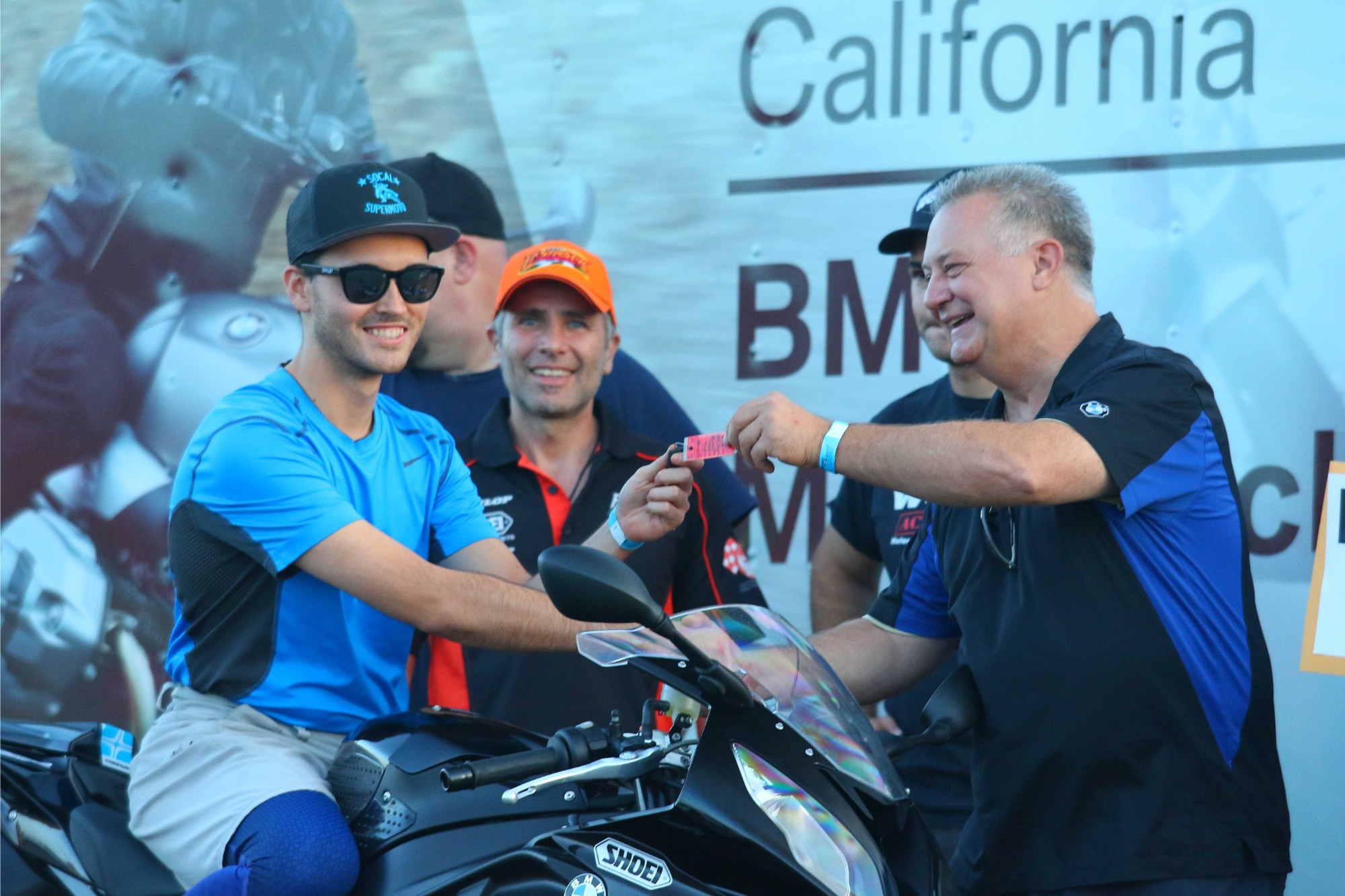
Kawasaki Releases Details About 2018 Ninja H2 SX

2018 KAWASAKI NINJA H2™ SX and NINJA H2™ SX SE

THE ULTIMATE SUPERSPORT MACHINE BUILT BEYOND BELIEF

The Kawasaki Ninja H2™ SX and Ninja H2™ SX SE are the world’s most advanced hypersport motorcycle, derived from the prestigious supercharged Ninja H2™ superbike family pedigree. Blending performance and ultimate real world handling, the new lightweight supercharged sportbike line of Ninja H2 SX motorcycles is sure to continue in the award winning ways of its counterparts, and become the new standard by which the sportbike category is judged.

Kawasaki is once again leading the way in bringing supercharged performance technology to a sportbike and increased functionality for everyday street use. In building the Ninja H2 SX, Kawasaki tuned the engine to provide power where it is most useful, in the low to mid range, With that, we have created one of the most advanced and well-balanced motorcycles in performance, comfort, and efficiency. It is truly Built Beyond Belief.

Developed for the daily applications of today’s sportbike rider, the Ninja H2 SX and Ninja H2 SX SE utilize a balanced supercharged engine that offers optimal output performance in the low to mid RPM range, all while achieving excellent fuel efficiency. This highly refined package has created an unrivaled level of performance and comfort, with agile handling, akin to its superbike counterparts.

This incredible duo shares many of the technologically advanced components of its supercharged hypersport counterparts, but is also refined for everyday street use. The Ninja H2 SX features a 998cc inline four-cylinder engine design, new balanced supercharger, single-sided swingarm, and dog-ring transmission, all new aggressive full fairing bodywork, new passenger friendly trellis frame, and Kawasaki first TFT LCD meter and full LED Lighting.

Highlights of the 2018 Kawasaki Ninja H2 SX & Ninja H2 SX SE Sportbikes:

  • NEW 998cc four-cylinder supercharged engine combines power, everyday usability and fuel efficiency
  • NEW Redesigned passenger friendly trellis frame, convenient KQR® luggage mounting, and longer wheelbase
  • NEW Aggressive full fairing bodywork
  • NEW Electronic cruise control for improved comfort on long distance rides
  • NEW Comfort designed seats
  • NEWAll-LED Lighting- headlamp, taillight, and licenses plate light
  • NEW High-Class instrumentation bank
  • Full suite of electronic rider assist functions

The Ninja H2 SX & Ninja H2 SX SE are designed to be premier, class-leading sportbike machines. The 2018 Kawasaki Ninja H2 SX and Ninja H2 SX SE feature brand new Kawasaki Electronic Cruise Control, Kawasaki Traction Control (KTRC), Kawasaki anti-lock Braking (KIBS), and Bosch IMU. Thanks to the Kawasaki proprietary software that works with the IMU, the Kawasaki Ninja H2 SX features six axes of measurement creating a highly advanced electronics package.

2018 Kawasaki Ninja H2 SX SE

  • NEW LED Cornering Lights
  • NEW High-class instrumentation Multi-Function TFT Color LCD Meter
  • NEW Larger Windscreen
  • Kawasaki Launch Control Mode (KLCM)
  • Kawasaki Quick Shifter (KQS) (up and down)
  • Steel Braided Brake lines
  • Heated grips
  • Centerstand

Kawasaki introduces the 2018 Ninja H2 SX SE motorcycle, a special edition model with many premium technical features as well as different fit and finish options.

The Kawasaki Ninja H2 SX SE features full LED cornering lights. Three lights built into both sides of the fairing are activated by the lean angle of the motorcycle (10o/20o/30o), creating a wider path of light. The SE’s multi-function TFT LCD Color screen enables information to be displayed graphically in two selectable display modes, Touring or Sport. Each of the display modes allows riders to prioritize the information they want to see depending on the kind of riding they are doing at the time.

The Ninja H2 SX SE has some premium performance features that are not found on the base model, such as Kawasaki Launch Control Mode (KLCM) and Kawasaki Quick Shifter (KQS). Kawasaki Launch Control Mode electronically controls the engine to assist riders by optimizing acceleration from a stop, minimizing wheel spin and wheelies. Designed to enhance sportbike performance, Kawasaki Quick Shifter allows for dual direction clutchless shifting. Steel braided brake lines are also incorporated to further enhance the performance of the Ninja H2 SX SE, which ensures a more direct transfer of hydraulic fluid between the piston and caliper, resulting in strong, powerful, and reliable braking performance. The SE model also features an enlarged windscreen to divert wind energy at speed and improve overall ride comfort.

The Ninja H2 SX SE is a beautiful piece of machinery. It is available in Emerald Blaze Green/Metallic Diablo Black, and features two-tone leather/suede seats further enhancing the unique design.

With the addition of the new Ninja H2 SX, and the new components of the Ninja H2 SX SE, the supercharged Ninja H2 family of motorcycles continues to set the bar as some of the most exciting motorcycles available.

Chassis

The Ninja H2 SX shares a trellis frame design similar to that of their Ninja H2 and H2™R counterparts, but it has been completely redesigned for compatibility with passengers and luggage. The new frame has a 430 lb payload. In addition to the increased payload capacity, the wheelbase and rigidity of the frame have also increased to ensure a smooth ride at highway speeds; it also features a 30-degree steering angle side to side to increase low speed maneuverability.

The Ninja H2 SX features a single-sided swingarm, similar to that of the Ninja H2 and Ninja H2R. The swingarm has been lengthened 15mm for improved performance. Designed to be lightweight whilst retaining high rigidity, the angular cross-section swingarm is constructed of forged aluminum.

Engine

While the engine & supercharger of the Ninja H2 SX appear very similar to other models in the Ninja H2 family, it has undergone several significant changes to create a new riding experience for the supercharged machine.

In order to achieve the desired fuel efficiency while maintaining the low to mid rpm performance characteristics of the award winning Ninja H2 platform it was critical to improve the engine’s thermal efficiency by increasing the compression ratio 8.5:1 to11.2:1; this was done by utilizing new cast aluminum pistons with a revised crown design, new cylinder head and cylinder. Also aiding in the pursuit of improved efficiency in street environments the intake and exhaust cam profiles were shortened to match the reduced airflow requirements of every day street riding, while also providing low-to-mid range performance and fuel efficiency. The Ninja H2 SX also features a new supercharger impeller, intake chamber, cams, and exhaust components to create a well balanced engine.

The street specific Ninja H2 SX supercharger design and tuning were developed by Kawasaki Heavy Industries, Ltd. (KHI) showcasing the in-house knowledge of forced induction engine performance. The supercharger’s high efficiency and minimal heat gain meant an intercooler was unnecessary, allowing savings in both weight and space. The supercharger is located centrally, behind the cylinder bank, in the best position to evenly distribute the compressed air to all four cylinders.

The supercharger is driven by a planetary gear train, which runs off the crankshaft. The gear train increases the impeller speed up to 9.2x the crank speed (1.15x step gear with an 8x planetary gear).

To facilitate smooth, quick shifting, a dog-ring-type transmission was selected, with optimal gear ratios for street performance. This is similar to the kind commonly found in MotoGP racing and was developed with feedback from the Kawasaki Racing Team (KRT). The dog-rings are lighter than conventional transmission gears; this type of transmission offers significantly lighter shift effort, facilitating quicker acceleration.

The Ninja H2 SX features a high-quality clutch with assist and slipper function working in unison with its dog-ring transmission. The assist and slipper clutch results in a lighter pull and stronger clamping force during clutch engagement. Additionally, the back-torque limiting slipper function of the clutch contributes to stability by helping to prevent wheel hop during downshifts.

Full Fairing & Relaxed Sporty Riding Position

The sleek full fairing bodywork of the Ninja H2 SX isn’t just for good looks; it also provides some protection to riders from the wind while riding. The ability to design and equip the Ninja H2 SX with a fairing wouldn’t have been possible without the highly efficient engine, that puts off significantly less heat than its Ninja H2 counterparts, all while maintaining the performance and fun that the supercharged Ninja H2 family is known for.

The riding position contributes a great deal to the comfort of a motorcycle, and the Ninja H2 SX has struck the perfect balance between relaxed and sporty riding positions. High-speed performance is difficult to achieve with an upright riding position, but the full fairing of the Ninja H2 SX provides superb wind protection that makes this achievable. The position is comfortable for both in-town riding and long touring, while still enabling the rider to enjoy sporty riding.

Fully Adjustable Suspension

The 43mm KYB front fork of the Ninja H2 SX is fully adjustable for compression and rebound damping as well as preload; the setting chosen for the fork ensures a balance of comfort and sport performance.

A fully adjustable KYB 40mm gas charged rear shock offers improved handling, and contributes to enhanced cornering performance as well. The shock features a piggyback reservoir, ensuring stable damping performance; it can also be adjusted for compression (high & low speed) and rebound damping as well as preload. An indispensable feature for any rider looking for comfort, the remote preload adjuster allows the rider to adjust settings for the bike’s load, on the road without any tools. The top of the rear shock mounts to the swingarm mounting plate, doing away with the need for frame cross members.

The bottom of the rear shock is mounted via a Uni-Trak® linkage and has updated ratios for 2018. The linkage, situated below the swingarm, also mounts to the swingarm mounting plate.

Comfort Designed Seats

The seats of the Ninja H2 SX put comfort at a premium for both the rider and passenger. In fact, the two front seats were designed: a standard Comfort Seat that offers the rider a relaxed knee bend and thicker urethane cushioning; and an accessory low seat (15 mm lower) that allows for shorter reach to the ground. The passenger seat also follows with the theme of maximum comfort; ensuring that everyone enjoys their ride.

Clean Mount Saddlebag System

The mounting system for the accessory saddlebags allows them to be attached and removed very simply, contributing to improved convenience. Seamlessly integrating the saddlebags with the rear of the bike, the clean-mount system positions them close to the bike centerline, which enhances its clean design, ensuring the rear of the bike still looks good with the saddlebags removed.

Full LED Lighting

From headlamp to taillight, all the lights on the Ninja H2 SX – even the license plate bulb – are LED.

High Class Instrumentation

The advanced, high-tech design of the instrumentation conveys the flagship-level quality of the Ninja H2 SX. A full digital LCD screen complements the analogue-style tachometer, enhancing data visibility. Riders are offered two selectable display modes: Touring Mode and Sport Mode, each mode allows them to prioritize the information they want to see depending on the kind of riding they are doing at the time.

Electronic Cruise Control

A first for Kawasaki sportbikes, electronic cruise control improves the overall comfort for those long days on the road. The new cruise control system enables riders to set and maintain their desired speed with the simple press of a button. Once activated, the rider does not have to constantly apply the throttle to maintain speed. The cruise control helps to reduce stress on the rider when traveling long distances, allowing the rider to relax and enjoy cruising, contributing to a high level of riding comfort.

Electronic Rider Assist Functions:

Bosch 5-Axis IMU

Kawasaki proprietary software allows for a sixth axis of measurement

Kawasaki Cornering Management Function

Kawasaki Intelligent anti-lock Brake System (KIBS)

The use of Bosch’s compact IMU allows an additional layer of precision to be added to the already high-level components. The system uses minimal hardware but complex Kawasaki proprietary software. IMU enables inertia along six DOF (degrees of freedom) to be monitored. Acceleration along longitudinal, transverse and vertical axes, plus toll rate and pitch rate are measured. The sixth axis, yaw rate, is calculated by the ECU using Kawasaki original proprietary software developed through World Superbike racing experience. Additional feedback from the IMU gives an even clearer real-time picture of chassis orientation, as it combines chassis orientation information with real time monitoring of the rider’s movements.

KTRC (Kawasaki TRaction Control)

The Kawasaki TRaction Control (KTRC) featured on the Ninja H2 SX has three modes for riders to choose from that enable optimal performance for a wide range of riding conditions, offering either enhanced sport touring performance or the peace of mind under certain conditions to negotiate a variety of surfaces with confidence. Kawasaki’s advanced modeling software, complemented by feedback from the IMU, delivers this one of a kind precise control, making it a motorcycle that is truly Built Beyond Belief.

KIBS (Kawasaki Intelligent Anti-lock Brake System)

Kawasaki’s supersport-style ABS is standard equipment on the Ninja H2 SX motorcycle. This is based on the same system used on the Ninja® ZX™-10R sportbike, with programming and settings revised to suit the performance parameters of both the sport and sporttouring category. High-precision brake pressure control enables the system to avoid reduced brake performance due to excessive pressure drops, allows lever feel to be maintained when KIBS is active, and helps ensure ABS pulses feel smooth (not heavy).

Kawasaki Engine Brake Control

The Kawasaki Engine Braking Control system allows Ninja H2 SX riders to set the level of engine braking according to preference.

Adjustable Power Modes

Riders can set power delivery to suit conditions and/or preference, choosing from Full, Middle (75% power), and Low (50% power).

COLORS

The 2018 Kawasaki Ninja H2 SX is available in Metallic Carbon Gray/Metallic Matte Carbon Gray. The Ninja H2 SX SE comes in a striking Emerald Blazed Green/Metallic Diablo Black.

MSRP

Ninja H2 SX $19,000

Ninja H2 SX SE $22,000

ACCESSORIES

Kawasaki offers a full line of genuine accessories for the 2018 Ninja H2 SX, which allows riders to equip their bikes with only what they find necessary. Kawasaki Genuine Accessories offers a frame slider set, Ergo-Fit reduced reach seat, KQR 28-Liter hard saddlebag set, Akrapovic slip-on muffler, helmet lock, and premium sport cover as well as a premium sport touring cover.

ABOUT KAWASAKI

Kawasaki Heavy Industries, Ltd. (KHI) started full-scale production of motorcycles over a half century ago. The first Kawasaki motorcycle engine was designed based on technical know-how garnered from the development and production of aircraft engines, and Kawasaki’s entry into the motorcycle industry was driven by the company’s constant effort to develop new technologies. Numerous new Kawasaki models introduced over the years have helped shape the market, and in the process have created enduring legends based on their unique engineering, power, design and riding pleasure. In the future, Kawasaki’s commitment to maintaining and furthering these strengths will surely give birth to new legends.

Kawasaki Motors Corp., U.S.A. (KMC) markets and distributes Kawasaki motorcycles, ATVs, side x sides, and Jet Ski® watercraft through a network of almost 1,100 independent retailers, with close to an additional 7,400 retailers specializing in general purpose engines. KMC and its affiliates employ nearly 3,100 people in the United States, with approximately 250 of them located at KMC’s Foothill Ranch, California headquarters.

Kawasaki’s tagline, “Let the good times roll.®”, is recognized worldwide. The Kawasaki brand is synonymous with powerful, stylish and category-leading vehicles. Information about Kawasaki’s complete line of powersports products and Kawasaki affiliates can be found on the Internet at www.kawasaki.com.
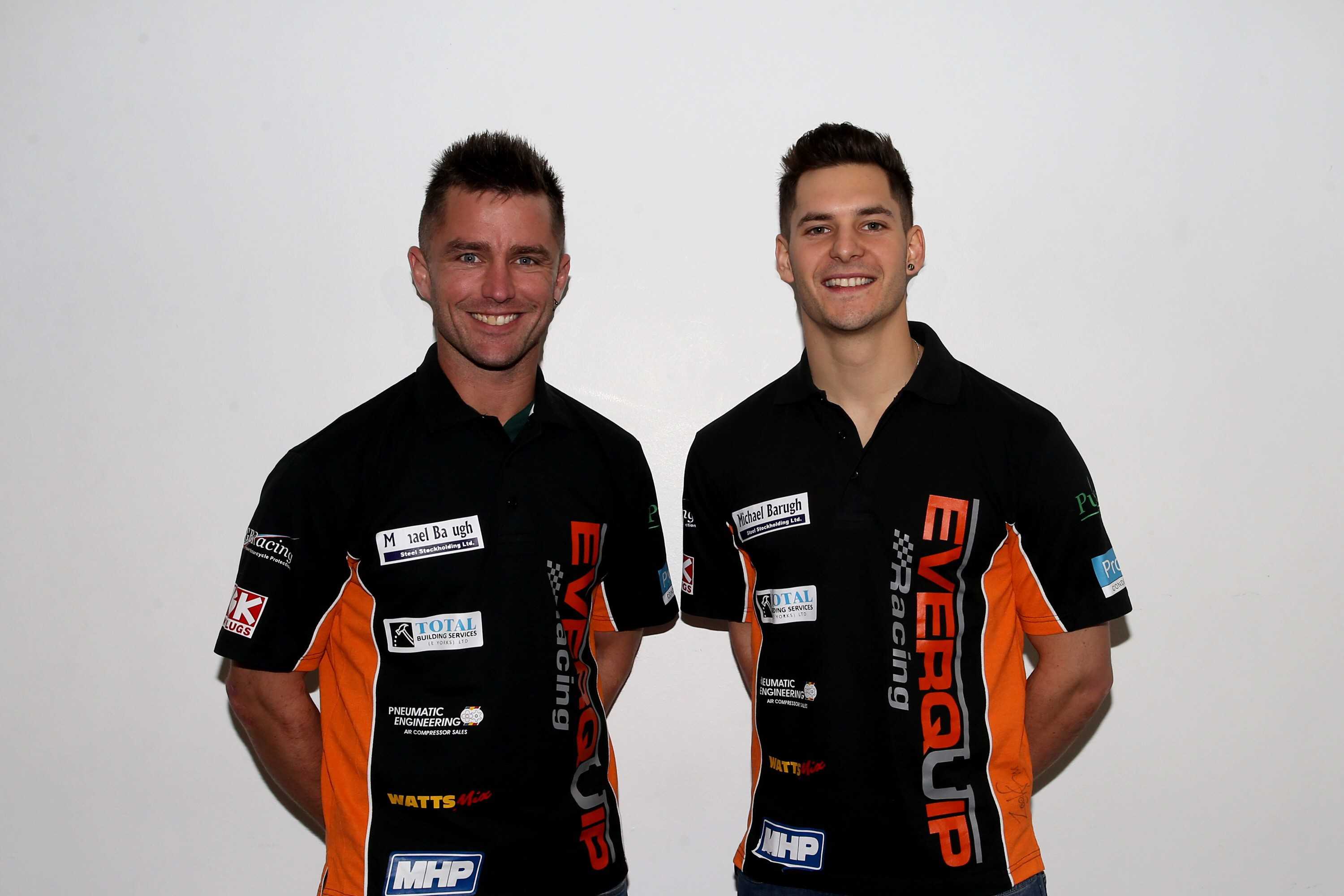
Kawasaki Introduces 2018 Z900RS Retro Model To U.S. Market

KAWASAKI BRINGS ADVANCED TECHNOLOGY TO A RETRO MODEL

The new Kawasaki Z900RS is Kawasaki’s long awaited foray into the retro genre of motorcycling. It is a true throwback to its 1970’s predecessor, the famed Kawasaki Z1.

Kawasaki is bringing class leading performance and technology to another category of motorcycles, the retro bike class. In building the Z900RS, Kawasaki has meticulously crafted one of the most authentic retro bikes in appearance and design, paying homage to the original Z1, all while tastefully incorporating modern technology and features.

Developed for riders in search of a well-rounded bike that is not only rich in history and character, but also packed with modern technology and handling features, the Z900RS is powered by a 948cc in-line four engine, features a modern trellis frame, and modern suspension components that bring an unmatched level of performance to the retro bike category.

The sleek sweeping contours and meticulous fit and finish of the Z1 redefined the standards of motorcycle design in the 1970’s. Kawasaki has applied the same meticulous attention to detail in building the Z900RS, from the iconic teardrop gas tank to the simple uncluttered engine design, all the way down to the retro themed headlight and tail cowl.

The newest addition to the Z family, the Z900RS, is packed with technologically advanced components and features, including the 41mm inverted front forks, slipper clutch, and Kawasaki Traction Control (KTRC). The bike also has some of its own new features as well, such as Kawasaki’s first fully tuned exhaust note, designed to elicit rider response when the 948cc in-line four cylinder engines roars to life, idling, and low speed riding.

Highlights of the 2018 Kawasaki Z900RS:

Strong, Smooth In-Line Four Engine

NEW Kawasaki Tuned Exhaust Note

Lightweight Trellis Frame

Z1-Inspired iconic styling

The stylish appearance of the standard Z900RS is available in Metallic Flat Spark Black and Candytone Brown.

Strong, Smooth In-Line Four Engine & Transmission

The Z900RS, features a liquid-cooled, DOHC, 16-valve 948cc in-line four cylinder engine. Its design and configuration offer a great balance of power and manageability, delivering strong low and mid range torque that provides all riders the reassuring feeling of control. Several engine components played a crucial role in achieving the smooth, reliable, consistent power needed for the Z900RS. Utilizing the downdraft positioning of the 36mm throttle bodies was crucial in allowing intake air to travel in the most direct route to the combustion chamber; which is all complemented by ECU controlled sub throttles that provide silky smooth throttle response. To achieve the desired engine performance on the low-mid rpm range, compression ratio was set to 10.8:1, intake cam profiles at 248o and exhaust duration at 244o.

To facilitate smooth shifting the gearing ratio of the Z900RS was designed to have a short first gear, making it easier to launch. It also features a longer sixth gear for improved ride comfort when touring or cruising at highway speeds and also allows the engine to operate at lower rpm, which in turn results in improved fuel efficiency and reduced engine vibration.

The Z900RS features a high-quality clutch with assist and slipper function working in unison with its transmission. Additionally, the back-torque limiting slipper function of the clutch contributes to stability by helping to prevent wheel hop during downshifts

Kawasaki’s First Tuned Exhaust Note

While Kawasaki in-line four cylinder engines have been historically known for their great-sounding exhausts, this is the first time that Kawasaki has used sound research to craft the model’s ideal exhaust note. Sound tuning on the Z900RS‘s engine was focused on the initial roar to life, idling, and low-speed riding where the rider is best able to enjoy the exhaust’s deep growl. To ensure both performance and the desired sound were achieved, every aspect of the exhaust system was scrutinized: exhaust pipe length, collector design, where to position the bends, even the density of the glass wool fibers in the silencer. More than 20 renditions of the system were tested before finding the perfect match. Clever internal construction of the pre-chamber achieves a balance of sound and performance, and at low-rpm, the exhaust escapes in a straight line, while at high-rpm the exhaust is routed through an additional passage.

The high quality stainless steel exhaust system features a 4-into-1-collector layout. The header pipes and pre-chamber are built as single unit. The exhaust headers feature a double-wall construction, which helps to minimize heat discoloration and provide protection from the elements. The 28.6 mm inner diameter of the header pipes was chosen to achieve the desired low-mid range engine performance, and the larger 38.1 mm outer wall of the header pipes provides a quality finish appearance flowing from the beautifully crafted in-line four cylinder engine. The compact stainless steel megaphone-style silencer contributes to the retro design of the Z900RS. To ensure the highest quality finish possible the header pipes, pre-chamber and silencer are all treated with a special three stage buffing process: the first is done as individual parts, the second is done once the exhaust is assembled, the third stage is a final buffing process.

Lightweight Trellis Frame

To achieve the desired weight, handling characteristics, and appearance, the Z900RS received an all-new high tensile steel trellis frame that was developed using Kawasaki’s advanced analysis technology. The lines of the frame were made as straight as possible, only utilizing bends when necessary, which has created a frame that disperses stress extremely well and offers very smooth predictable handling. Also aiding in the pursuit of lightweight and performance handling is the rigid-mounted engine, which is connected at five points to the frame: front and rear of the cylinder head, behind the cylinder, and at the top and bottom of the crankcases. Its minimalist design has helped to trim all unnecessary weight while showcasing its retro styling.

The Z900RS has a laid back and relaxed design to it, which was achieved by raising the front and lowering the rear. Along with an entirely new frame, the Z900RS also features a new upper-triple clamp, which increases the steering offset to 34 mm, which reduces trail. and contributes to light operation.

Suspension

Complementing the ride comfort of the all-new performance designed trellis frame is a 41mm inverted fork and Kawasaki’s Horizontal Back-Link rear suspension design. The high-grade fork features fully adjustable 10-way compression and 12-way rebound damping, enabling riders to find their precise settings to suit their preference and riding style. Enhancing the performance of the rear is Kawasaki’s Horizontal Back-Link rear suspension design. The rear shock features fully adjustable rebound damping and preload. This arrangement contributes to mass centralization while ensuring that the suspension is located far enough from the exhaust that it is not affected by heat.

Braking

Handling the stopping duties of the Z900RS is a full disc brake setup featuring modern ABS. The Radial-pump front brake master cylinder commands a pair of 4-piston radial-mount monobloc calipers to grip a pair of 300 mm brake discs, providing plenty of stopping power. The rear brake features a single piston, pin-slide caliper gripping a 250 mm disc.

Kawasaki TRaction Control (KTRC)

The Z900RS is equipped with Kawasaki TRaction Control (KTRC), which has two performance settings riders can choose from: Mode 1 prioritizes maximum forward acceleration, while Mode 2 provides rider reassurance by facilitating smooth riding on slippery surfaces.

When selected, Mode 2 utilizes the same logic and control as Mode 1,but enables riders to better negotiate both short patches of slippery terrain, such as train tracks or manhole covers, and extended stretches of other less predictable surfaces. Wheel spin is also limited when starting on a slippery surface. However, when excessive rear wheel spin occurs, Mode 2 switches to three-way control,

which governs the ignition timing, fuel delivery and airflow, and engine output is reduced to a level that allows the rear wheel to regain grip. This fine control results in a very natural feeling with smooth engagement and on/off transition. Riders may also elect to turn the system off to enjoy the raw feel of riding.

Retro Styling

It was crucial that the appearance of the Z900RS pay homage to its predecessors, specifically the Z1. This dictated many elements of the design of the bike, such as the bodywork, the fit and finish of the engine, and even the wheels.

The centerpiece of the Z900RS is the beautiful four and a half gallon teardrop fuel tank, which is reminiscent of the Z1. The entire frame was designed around positioning and showcasing the beautiful fuel tank. The retro vibe also influenced the large 170 mm LED headlamp, which blends old school looks and modern designs. Position lamps in the high-beam chambers ensure the whole lamp appears lit, like a retro-style bulb headlamp; a convex lens and chromed headlamp ring add to the high-quality finish and appearance. The duckbill tail cowl of the Z1 also inspired the flowing design of the rear cowl on the Z900RS. The oval design of the LED taillight also pays homage to its Z1 lineage. Unlike standard LED taillights that appear as a collection of dots, the surface-emitting LED taillight lights up as a solid surface. An analogue-style speedometer and tachometer give off the retro vibe for the gauges, which is contrasted by a multi-functional LCD screen with an easy-to-read black and white display that continues the theme of blending retro styling and modern technology.

The simple, uncluttered engine design was very important to Kawasaki engineers when building the Z900RS. The engineers wanted to capture the air-cooled & carbureted feel, to really make the bike stand out in an age where electronics have become increasingly popular to find in the engine bay. The stylish engine fins were cast onto the cylinder head to create the image of an air-cooled engine. The long, flowing stainless steel header design that mates to the short, low hanging megaphone silencer are true throwback to how bikes used to be built.

The cast aluminum wheels chosen for the Z900RS feature flat spokes designed to look like classic wire-spoked wheels. Designed using Kawasaki’s advanced analysis technology, the wheels offer a balance of lightweight and stylish looks, contributing to both handling and a design suited to the retro category.

Numerous Accessories

Kawasaki offers a full line of genuine accessories for the 2018 Z900RS, which enable customers to personalize their bikes to their liking in a number of different ways. Kawasaki Genuine Accessories offers a frame slider set, front axel sliders, radiator trim, and a tank pad. Kawasaki Genuine Accessories offers grip heater set, Ergo-Fit reduced reach seat, and a smoked wind defector. Styling, being one of the most important elements to a motorcyclist, Kawasaki Genuine Accessories made sure to offer a wide variety of options: retro Kawasaki tank emblem set, oil filler cap (Black, Gold or White), KYB fork cap set (Black or Gold), silver gauge trim, passenger grab bar, side grip set, Akrapovic slip on muffler and a center stand.

ABOUT KAWASAKI

Kawasaki Heavy Industries, Ltd. (KHI) started full-scale production of motorcycles over a half century ago. The first Kawasaki motorcycle engine was designed based on technical know-how garnered from the development and production of aircraft engines, and Kawasaki’s entry into the motorcycle industry was driven by the company’s constant effort to develop new technologies. Numerous new Kawasaki models introduced over the years have helped shape the market, and in the process have created enduring legends based on their unique engineering, power, design and riding pleasure. In the future, Kawasaki’s commitment to maintaining and furthering these strengths will surely give birth to new legends.

Kawasaki Motors Corp., U.S.A. (KMC) markets and distributes Kawasaki motorcycles, ATVs, side x sides, and Jet Ski® watercraft through a network of almost 1,100 independent retailers, with close to an additional 7,400 retailers specializing in general purpose engines. KMC and its affiliates employ nearly 3,100 people in the United States, with approximately 250 of them located at KMC’s Foothill Ranch, California headquarters.

Kawasaki’s tagline, “Let the good times roll.®”, is recognized worldwide. The Kawasaki brand is synonymous with powerful, stylish and category-leading vehicles. Information about Kawasaki’s complete line of powersports products and Kawasaki affiliates can be found on the Internet at www.kawasaki.com.
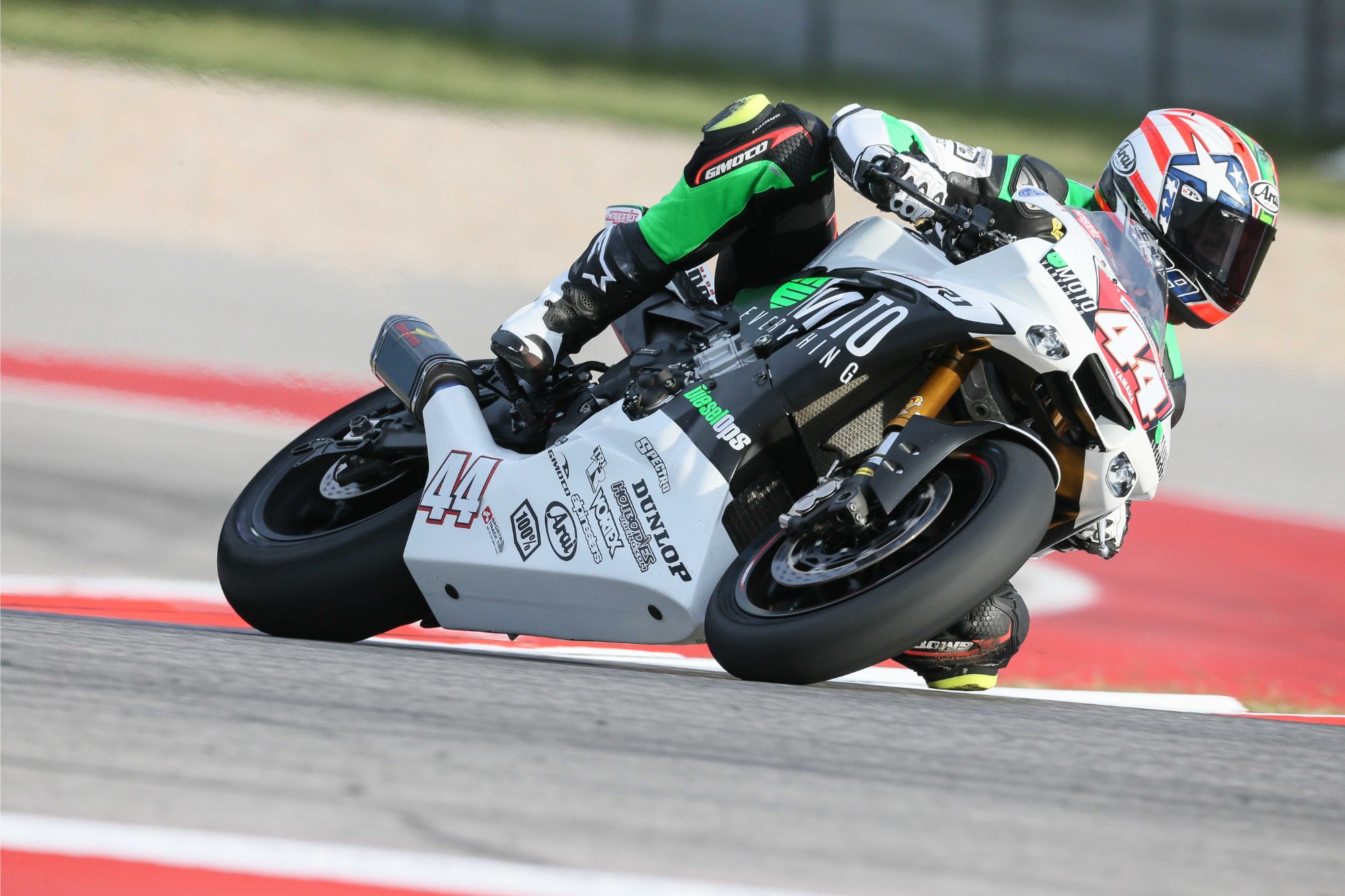
World Superbike: American PJ Jacobsen To Ride For TripleM Honda Satellite Team In 2018

PJ Jacobsen graduates to WorldSBK championship with TripleM Honda WSBK Team in 2018

Patrick ‘PJ’ Jacobsen will race the Honda CBR1000RR Fireblade SP2 for the TripleM Honda WSBK Team in the 2018 FIM Superbike World Championship. After several years racing at the front of the field in the World Supersport championship, the 24-year-old American is ready to make his debut in the prestigious class by becoming the standard-bearer of Honda’s new satellite team in the series.

This is a welcome return to the Honda family for Jacobsen, who in the two-year period from 2015-2016 was able to put together a tally of two wins, eleven podiums, two pole positions and three fastest laps with Honda machinery in World Supersport – along with the runner-up spot in 2015. The following year, Jacobsen also impressed on board the previous model of the Honda CBR1000RR Fireblade in the Endurance World Championship, riding for the F.C.C. TSR Honda Team at Portimão and Suzuka.

Patrick Jacobsen 99

I’m very excited to be making my World Superbike debut with TripleM Honda WSBK Team. It’s a great opportunity for me to be finally racing in this class and I want to thank the team and Honda for making this possible. Both the team and I will be rookies in the WorldSBK championship so there’ll surely be a lot to learn, but it’s a challenge that stimulates me and I can’t wait to get started. I enjoyed racing the Fireblade in the EWC two years ago and I love riding 1000cc bikes, so I’m looking forward to trying the new Honda CBR1000RR Fireblade SP2.

Marco Chini

Honda’s WorldSBK Operations Manager

We’re happy to welcome back PJ in the Honda family. He’s a young and very talented rider who has a good amount of experience across different championships, so it will be good to see him riding the Honda CBR1000RR Fireblade SP2 in World Superbike. I reckon the TripleM Honda WSBK Team is the perfect fit for him because they can learn and grow together in the series during their first year. We look forward to seeing PJ out on track in Honda colours again.

MotoAmerica: Thrashed Bike Racing And Max Flinders To Step Up To Superbike Class In 2018

Thrashed Bike Racing 2018 season

Thrashed Bike Racing is excited to announce its plans for the 2018 MotoAmerica season. Following a team review of the new structure announced by MotoAmerica, Thrashed Bike Racing has decided to join other non-factory teams and move up to a full Superbike entry for 2018. The team will run a single rider team onboard a Yamaha YZF-R1.

This decision was made at the annual meeting of the team principals in New Orleans over the Thanksgiving holidays.

Team owner Tim Ivanoff stated, “With the changes announced in the series and our team intent to ‘show case’ the best young talent at the highest level of US motorcycle sport it was an obvious decision to make. We know the challenges will be difficult and the cost of running a season at this level is higher but our resolve is firm. The team will continue in 2018 to be one of the smallest, friendliest and most consistent teams in the paddock.”

Team commercial director, Mike Ludwig commented, “We know what we can deliver in 2018 even with our limited resources. Our commitment is strong, our product sponsors are committed and we are working hard at bringing new financial sponsors to the team to help with the costs of competing at this level. We know that the team has a great fan base and with the exposure that MotoAmerica receives in the cyber world as well as on live television makes it a great shop window for any business.”

History.

Thrashed Bike Racing started with a season entry in the Harley-Davidson XR1200 national series, formed, owned and financed by the legendary Tim Ivanoff from Breaux Bridge in Louisiana. Tim’s love of American twins saw the team refocus on the MotoAmerica Superstock championship with an EBR 1190RX in 2015. Unfortunately, the demise of EBR meant that the team looked for a new machine and they focused on the Yamaha R1 which they ran in the 2016 (8th place) and 2017 (7th place) seasons. The team has grown and now has a committed group of motorcycle and aerospace professionals as well as a growing army of enthusiasts running the team under the watchful guidance of Tim.

Thanks to – Arrow Aviation, Liqui Moly, Friendly Powersports, Arai Helmets, Oxford Products, Moto-D, Moto-tech, Cycle Gear and the army of fans. SEE YOU AT THE RACES!

Recent Birth: Euclid Hawk Hayes

Four-time AMA Pro Superbike Champion Josh Hayes and wife and professional motorcycle road racer Melissa Paris had a son, Euclid Hawk Hayes, November 28, near Oceanside, California.

Fastrack Academy III: Connor Funk Wins BMW S1000RR Grand Prize

Fastrack Riders Academy & Apex Club

2017 Fastrack Academy III Concludes

SAN DIEGO, CA – November 29, 2017 – Fastrack Academy class of 2017 concludes in great fashion Sunday, November 26 at Auto Club Speedway with Team Ulrich’s Connor Funk taking the first place grand prize, a BMW S1000RR. Devin Strange, McNamara and Joe LaCroix for a close second, third and fourth respectively.

Connor comments: “I transitioned from F2000 and karting to motorcycles a year prior to beginning my Fastrack Riders Academy transformation. Although I really enjoyed track-days on a 250cc, I wanted to really test myself and learn how to properly extract the maximum from a 600cc. So I asked my father if he would let me borrow his bike (which he wasn’t too keen on until I showed him the grand prize – a BMW S1000RR!), and we both began an amazing journey on and off the track. Without a doubt, the Academy was the most transformational experience I have ever undergone. The real prize was going from a 1.51.1 first lap to a 1.40.2 final lap over three extraordinary months. With that said, the trophy is the best I (and my father) have ever received! I have to thank my coaches Chris Ulrich, Terry Heard, and Cameron Gish for providing a wealth of knowledge and feedback over the course of the Academy. I couldn’t have done it without them. I have to thank Fastrack Riders for providing this amazing program at a fantastic venue. It was the chance of a lifetime. Finally, I have to thank my family for their support. Thanks for letting me use your bike, Dad! I brought home a new one!”

This was the third year running of Fastrack Academy. New tests are added to the program each year as a surprise and this round a Progression Data Analysis test sponsored by LitPro was introduced. Gymkhana and a bicycle challenge were also run as a result of their great success in the prior year.

“I really enjoyed working with the group of students assigned to Team 18 during 2017 Academy,” said Chris Ulrich, a former professional Superbike racer, a race team owner, and Connor’s lead coach. “All of them were very coachable and believed in my plan to improve their execution of the fundamentals so they could go faster without adding unnecessary risk. And in the end, they were all rewarded for their work with massive lap-time improvements.

“I’m especially proud of Connor, who was one of the most unassuming students on my team,” continued Ulrich. “He calmly and quietly went about his business, doing all the work and more, advanced to the finals, then took the overall win! He was a model student and I’m thankful for his trust. Enjoy your new BMW S1000RR, Connor!

“I also have to thank Cameron Gish for subbing for me at Round One while I was at Barber Motorsports Park for the MotoAmerica finale, and thanks to my Assistant Coach Terry Heard for his help and trusting in my coaching process. Bring on the 2018 Fastrack Academy!”

Chris’s Assistant Coach Terry Heard adds: “I’m proud of all four of our riders, all four progressed. The scoring was extremely close this year and I was delighted that one of ours is taking home the big prize. Connor is an excellent young man and exhibited in many ways a perfect case of picking one’s self back up to continue driving to the finish line, never giving up.”

Mr. Imad Samhat, Fastrack Rider’s owner notes: “Again we had amazing results with all participants progressing significantly, which clearly showed in their lap times and even more so with precise detail in their LitPro data analysis and scoring. It was an eventful round, no question about it. We’re proud to have the program with the best coaches and supporting staff, and I’m thankful to all our customers, always.”

Fastrack works closely with organizations such as USMCA (United States Motorcycle Coaching Association) and MIC (Motorcycle Industry Council) and continues its coaching programs with top level professional road racing coaches such as Eric Bostrom, Jake Zemke, Jeremy Toye, Chris Ulrich, Chris Fillmore, Steve Rapp, and Ben Bostrom. Eric Bostrom recently stated, “You can easily predict the outcome if riders are being trained by unqualified coaches. Fastrack is providing channels that positively influence the outcome and improve the skills of the future generation of riders”

www.SoCalBMWMC.com

Follow Fastrack Riders on Social Media and email any questions directly to [email protected]

ABOUT FASTRACK RIDERS ACADEMY

An exclusive rider development academy led by professional racers. The three-months program will offer many prizes including a Brand new motorcycle. Every Participant who completes the Academy will be recognized by the Pro Coaches and will receive a Fastrack Riders Certification signed by all the coaches. Some highlights of what the Academy will include: on and off track training from the Pros; In-helmet live communication while on track; In-class and On-board videos; Social Media involvement and voting.

2016 Academy Video: https://www.facebook.com/fastrackriders/videos/10…

Academy details and application download: https://fastrackriders.info/academy-program-detai…

About Fastrack Riders Academy & Apex Club

Established in 1989, the Fastrack Riders Academy & Apex Club is Auto Club Speedway’s official exclusive motorcycle partner. This world-class, multi-use superspeedway facility is ideally located in Fontana, California, just 30 miles from Los Angeles.

Sponsored by BMW and KTM, Fastrack unites riders of all skill levels in a unique environment while hosting Southern California’s most convenient, best organized, all-inclusive trackdays on a challenging 2.36-mile, 21-turn roadcourse.

Much more than a simple trackday organization, Fastrack Riders added the Academy and Apex Club monikers in 2016 to better reflect the diversity of its offerings. Blending a five-stage moto-education program with an array of extracurricular activities on and off the racetrack, every Fastrack day a multi-layered event for sportbikers to enjoy in an open, friendly, club-like atmosphere.

For more in-depth information about the Apex Club’s many unique programs and special events, please visit FastrackRiders.info. Trackday enthusiasts have an open invitation to become engaged members of it growing community by liking Fastrack’s Facebook page and following the action on its YouTube, Instagram and Twitter feeds.

Fastrack Riders Academy & Apex Club

FastrackRiders.info

877-560-2233

PO Box 270251

San Diego, CA, 92198

[email protected]

Auto Club Speedway

AutoClubSpeedway.com

909-429-5000

300 Cherry Avenue

Fontana, CA 92335

American James Rispoli Returning To British Supersport Championship In 2018

Rispoli and Estment join Everquip Racing for Dickies British Supersport title fight

The Everquip Racing Yamaha team have announced their international line-up of American James Rispoli and South African Bjorn Estment for the 2018 Dickies British Supersport Championship.

Rispoli returns to the Supersport class where he has previously been a podium finisher, whilst Estment is preparing to build on his debut season with the team in 2017.

Rispoli said: “I am stoked to be joining the Everquip Racing team next season. I had success in Supersport before and I am really excited about getting back into that championship and being in the mix again in 2018. The team are really awesome and I am looking forward to making the most of this opportunity. I have some time now home in America so I will be ready to come back and hit it hard when we start testing before round one.”

Estment said: “I’m thrilled to announce my second year with Everquip Racing; we began this journey a year ago and have built the team up in just one season to be a real force to be reckoned with. The back end of 2017 saw us take some solid consistent results and I’m super confident with the really positive structure changes we can get the job done in 2018.

“I can’t wait to get pre-season testing on the go and fight for podium positions in 2018 that’s the goal. I need to say a massive thanks to Everquip, Total Building Services and all the team for giving me this opportunity. Finally, a big shout out and Happy Birthday to our boss Stuart today. Hell Yeah!”

Team Owner Stuart Everard commented: “Everquip Racing are thrilled to announce our rider line-up for the 2018 Dickies British Supersport Championship. Next year we bring a truly international line up; South African talent Bjorn Estment will be joined by the American star James Rispoli. We will continue with the Yamaha R6 and we are set on one goal and that is fighting for race wins and the championship! The team will now continue with its extensive preparation for our 2018 campaign.”

For more information please visit www.jamesrispoli.com

Dunlop Hires Racer Taylor Knapp As Test Rider, Expands Operations At Its Proving Grounds In Alabama

Buffalo, NY: Dunlop is expanding operations at the Proving Grounds in Huntsville, Alabama; a dedicated tire testing facility. In addition to significant facility and track upgrades, Dunlop has hired Taylor Knapp to join its motorcycle tire testing team.

Knapp started flat track and motocross racing at age five, winning many amateur national motocross championships. He started road racing at age 13, and turned pro at age 16. He has raced in the British Superbike series, and has been a factory Superbike rider with KTM and Buell. Knapp had his best MotoAmerica season to date in 2015, scoring 13 podium finishes in the Superstock 1000 class, including a victory at Virginia International Raceway, and finishing runner-up in the championship.

“We’re thrilled to expand our capabilities at the proving grounds with the changes we have made there, and the addition of Taylor as a motorcycle tire test rider,” said Mike Buckley, Dunlop Motorcycle’s Vice President of Sales and Marketing. “Our proving grounds is the only one of its kind in the U.S., and it plays a critical role in the tires we develop and manufacture in the U.S. These changes will help us do an even better job of delivering class-leading premium tires to our customers.”

Dunlop’s proving grounds, together with the high-tech manufacturing plant in Buffalo, New York—the only motorcycle tire plant in North America—gives Dunlop the capacity and flexibility to design, engineer, and manufacture new cutting-edge tire technologies in America for American riders.