President Biden Officially Recognizes May as Motorcycle Safety Awareness Month
First presidential acknowledgment of MSAM comes after AMA’s work with MIC and MSF to request White House recognition
PICKERINGTON, Ohio — The White House and President Biden officially released a letter acknowledging May as Motorcycle Safety Awareness Month. This comes less than three months after the American Motorcyclist Association (AMA), the Motorcycle Industry Council (MIC) and the Motorcycle Safety Foundation (MSF) met with U.S. Department of Transportation (DOT) Secretary Buttigieg requesting White House recognition of the month and addressing other motorcycle industry priorities.
Last year, the AMA also worked with the MIC and MSF on a letter, joining their existing effort urging the White House to recognize Motorcycle Safety Awareness month, highlighting the organizations’ — and DOT’s — annual public-awareness campaigns.
“For millions of Americans, riding a motorcycle is more than a mode of transportation — it’s a way of life,” President Biden said in the letter. “A motorcycle offers freedom, recreation, and the opportunity to explore our great Nation coast-to-coast. But unfortunately, riding is not without risk. Each year, thousands of motorcycles are killed on our Nation’s roads and highways … My administration remains committed to ensuring the safety of everyone who rides a motorcycle and all who travel across our Nation.”
President Biden also addressed the Bipartisan Infrastructure Law and its plan to modernize highways, roads, and bridges used by motorcyclists across the country. That same law also reauthorized the Motorcycle Advisory Council (MAC) to advise the Department of Transportation on motorcycle safety issues.
The most recent iteration of the MAC was chaired by the AMA’s Director of Government Relations Michael Sayre from 2017 until 2020 when the MAC submitted its recommendations to the Department of Transportation. The MAC’s recommendations addressed concerns with roadside barrier design, roadway design, construction, and maintenance practices along with concerns with emerging intelligent transportation technologies.
“We’re eagerly waiting for the new MAC to be seated,” Sayre said, “and to begin its work. The AMA and other motorcycling organizations worked hard to expand the membership of the MAC as well as require multiple rounds of recommendations and provide more representative and exhaustive feedback from the motorcycling community. We also look forward to the administration working with the motorcycle community to advance safety for our roads.”
“The AMA also calls upon the Biden administration to follow through on this statement and the requirements set forth in the Bipartisan Infrastructure Law,” Sayre continued, “including motorcycles in the testing and standards for advanced driver assistance systems and automated vehicles, a safety benefit the recently proposed update to the New Car Assessment Program acknowledges, but fails to do.”
Stay tuned to AmericanMotorcyclist.com and the AMA’s social media channels throughout the month of May for more information and tips surrounding motorcycle safety and awareness.
About the American Motorcyclist Association
Founded in 1924, the AMA is a not-for-profit member-based association whose mission is to promote the motorcycle lifestyle and protect the future of motorcycling. As the world’s largest motorcycling rights and event sanctioning organization, the AMA advocates for riders’ interests at all levels of government and sanctions thousands of competition and recreational events every year. Besides offering members money-saving discounts on products and services, the AMA also publishes American Motorcyclist, a recently revitalized and monthly full-color magazine (and digital version of same) that covers current events and motorcycle history with brilliant photography and compelling writing. American Motorcyclist is also North America’s largest-circulation magazine. Through the AMA Motorcycle Hall of Fame in Pickerington, Ohio, the AMA honors the heroes and heritage of motorcycling. For more information, visit americanmotorcyclist.com.
Not a member? Join the AMA today: americanmotorcyclist.com.
How much money do MotoGP and Superbike World Championship riders earn? It’s not an easy question to answer accurately for a variety of reasons, but we’re going to try to do it.
In most professional sports leagues the salaries of the athletes are made known when their new contracts are done, but it’s not like this in professional motorcycle racing. In most two-wheel racing series there is specific language in contracts forbidding riders and their managers from disclosing the financial terms of their deals.
It’s believed that teams and manufacturers do this in order to keep rider salaries as low as possible and prevent each up-and-coming new star from demanding a higher salary than the star that came before them, like athletes do in other professional sports.
As a result of all of this, very few people truly know what two-wheel heroes are paid to risk life and limb to win races.
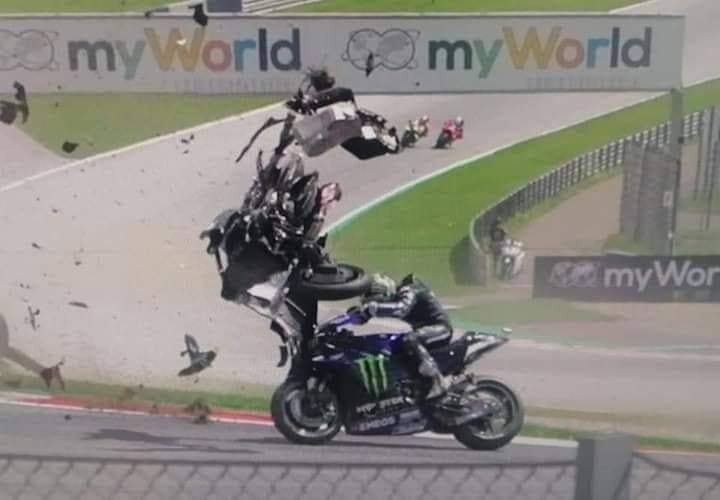
Maverick Vinales was almost struck by what was left of a crashed motorcycle during the MotoGP race at the first Austrian Grand Prix of 2020. Photo courtesy Dorna.
There are some websites on the internet that list MotoGP rider salaries, but this information is mostly based on rumors, hearsay, and guesses. For example, one website in 2021 listed then-Aprilia test rider Bradley Smith making a higher salary than Aprilia factory racer Aleix Espargaro.
In an effort to replace this cyber guesswork with real information and lift the shroud of mystery over what current riders actually earn and how they earn it, Roadracing World reached out to trusted sources within the MotoGP and Superbike World Championship paddocks. These sources are riders, rider managers, and team leaders – people who have actually negotiated and signed contracts in recent seasons, but due to the sensitive and confidential nature of this information they must remain anonymous and we’ve tried to avoid associating specific numbers with specific riders.
MotoGP
The range of a MotoGP rider’s base salary obviously varies due to a variety of reasons with proven success or lack thereof and popularity/marketability in key markets being the predominant factors. Top factory riders who have won races and are Championship contenders can command a salary of about €6-8 million Euros ($6.3-8.4 million USD, at early-May exchange rates). That, however, does not include six-time MotoGP World Champion Marc Marquez, who is paid about double that, approximately €15 million (about $16 million USD) per season.
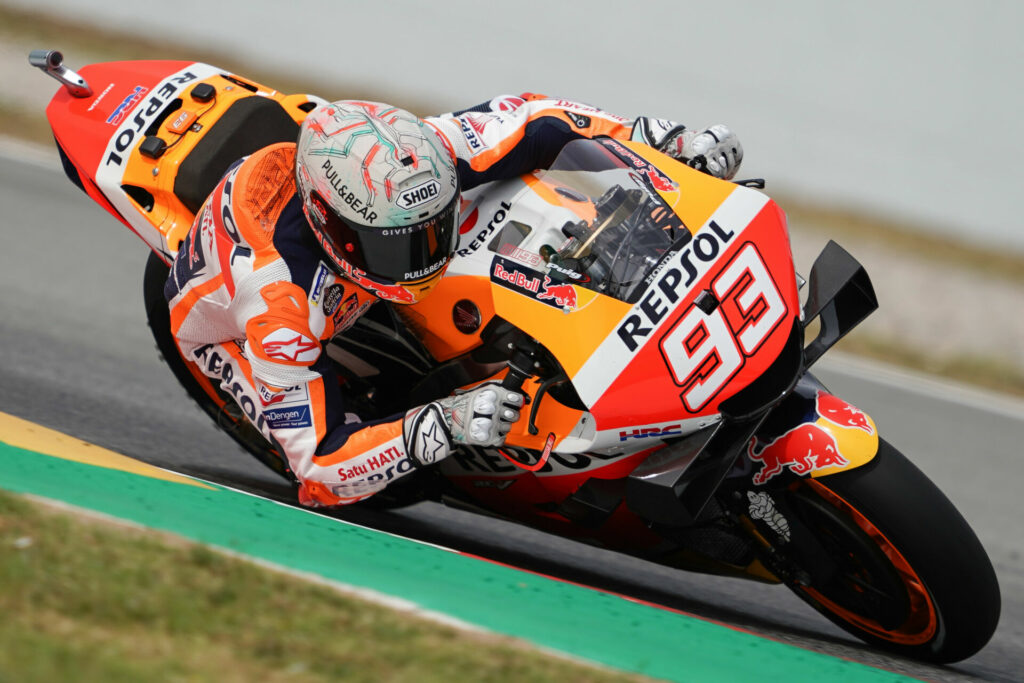
By all accounts, six-time MotoGP World Champion Marc Marquez (93) receives the largest salary in MotoGP, an estimated 15 million Euro or approximately $16 million USD each season. Photo courtesy Repsol Honda.
MotoGP riders who have the potential to finish on the podium and maybe win a race can earn between €1-€5 million ($1.05-$5.23 million USD) in base salary, and a rider who just came up from Moto2 and/or is getting a shot with a satellite or independent team may only earn €250,000-€500,000 ($263,000-$527,000 USD). According to our sources, no one in the MotoGP World Championship is currently paying for their ride with their own money or a personal sponsor’s money.
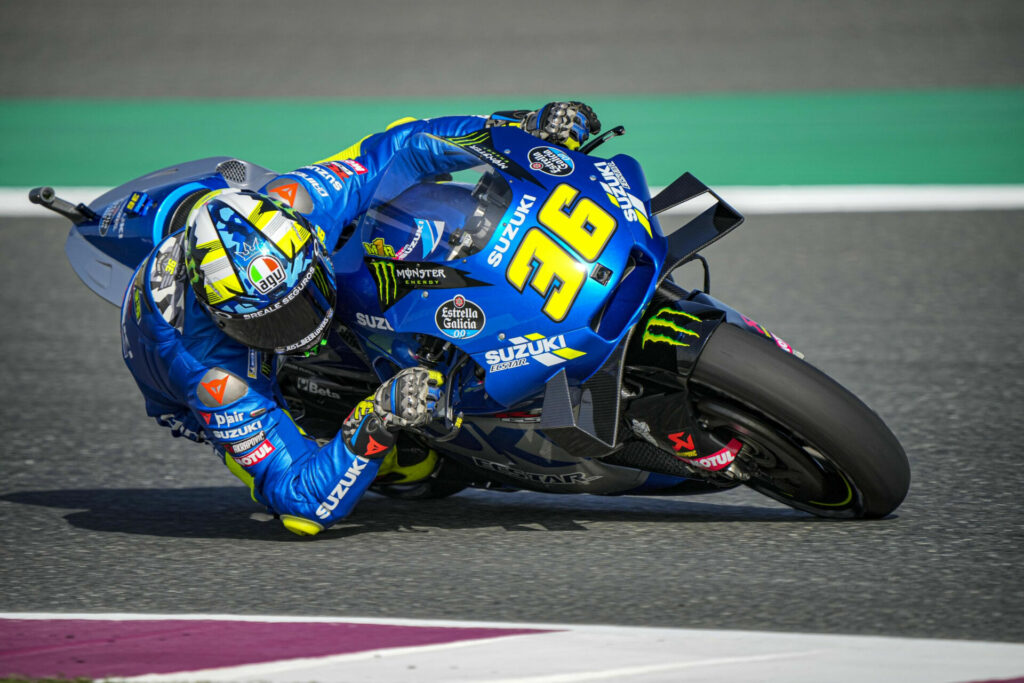
A factory MotoGP rider who has won races and the World Championship, like Joan Mir, can command an annual salary between $6-8 million USD. Photo courtesy Team Suzuki ECSTAR.
These numbers then vary among riders of an equal caliber because some riders go with a larger guaranteed salary and a smaller bonus structure, while other riders bet on themselves and accept a lower base salary with the potential to earn even more with large bonuses. For instance, a rider who went with a low salary might get a bonus of €250,000 ($263,000 USD) for winning a MotoGP race, while a rider with a large salary might only get €10,000 ($10,500 USD) for a win. The same holds true for Championship bonuses, which can be worth €1 million ($1.05 million USD) or more.
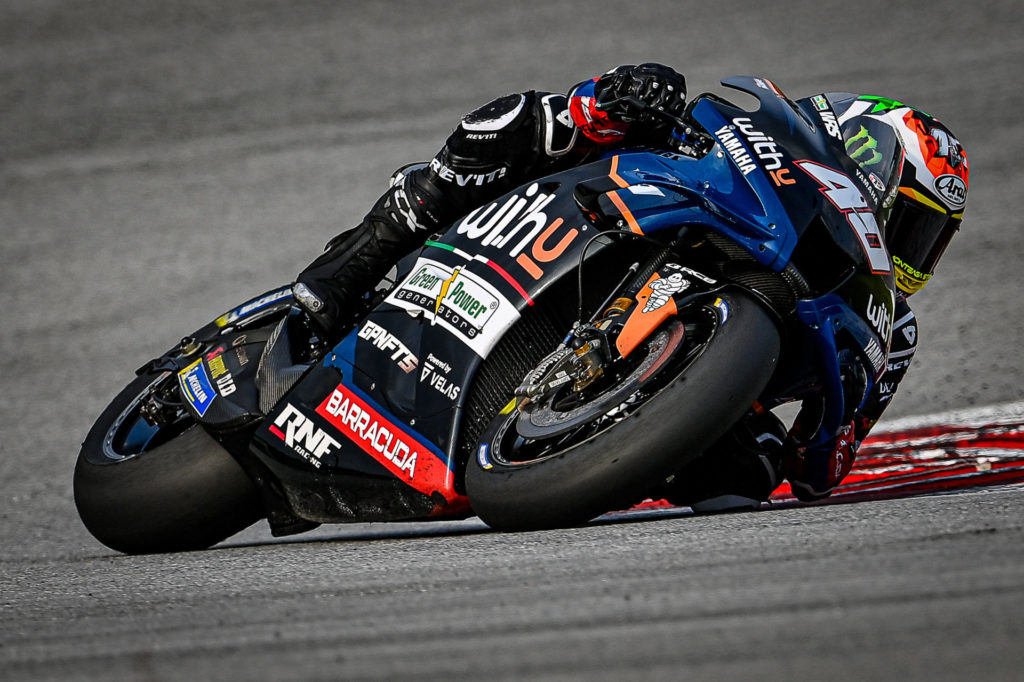
Even a MotoGP rookie like Darryn Binder (40) is commands a six-figure salary plus endorsements and bonuses. Photo courtesy Dorna.
Bonuses can be earned for race wins, podium finishes, pole positions, lap records, front-row qualifying results, Championship points scored, and final Championship finishing position. Bonuses can also be earned from a rider’s personal sponsors.
As far as personal sponsors go, riders can negotiate space for their sponsors’ logos on the motorcycle, their leathers, and their helmets, but at the higher team and salary levels this available space is minimal and limited to one spot on the upper chest (which usually goes to the rider’s helmet sponsor) and sometimes a space on one or both arms of the leather suit.
Helmet deals, what a helmet manufacturer pays the rider to wear and endorse their helmet, can vary in value by brand as well as the resume of the rider. A rider who chooses to go with a premium helmet brand may do so for less money than he could get from an emerging brand that stands to benefit more from the exposure the rider would bring. At the top of the food chain, a rider can earn €600,000-€700,000 ($630,000-$738,000 USD) per season from his helmet manufacturer and €300,000-€400,000 ($316,000-$421,000 USD) from their leathers supplier.
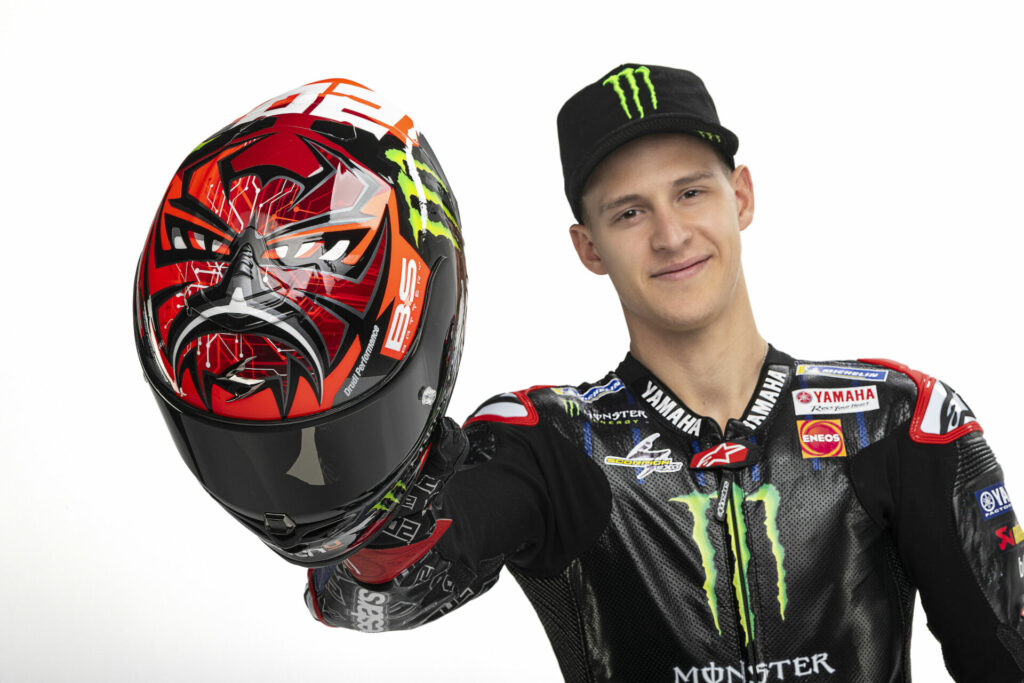
A rider gets paid by helmet and leather manufacturers to wear and endorse their brands. Fabio Quartararo is backed by Alpinestars and Scorpion helmets, among others. Photo courtesy Monster Energy Yamaha.
The value of personal sponsorship stickers on a rider’s helmet also varies widely based on the size and location of the sticker. At the high end, an energy drink company may pay €1 million ($1.05 million USD) — or more if your name is Valentino Rossi – to put a large logo on the side of a rider’s helmet. Smaller stickers placed elsewhere on a rider’s helmet cost a minimum of €25,000 ($26,338 USD) per season and goes up to €200,000 ($211,000 USD) or more for something on the chin bar, but we are told that there are some riders in the World Championships who still put stickers on their helmet in exchange for free product and to be affiliated with premier global brands they like. Think Oakley or Nike.
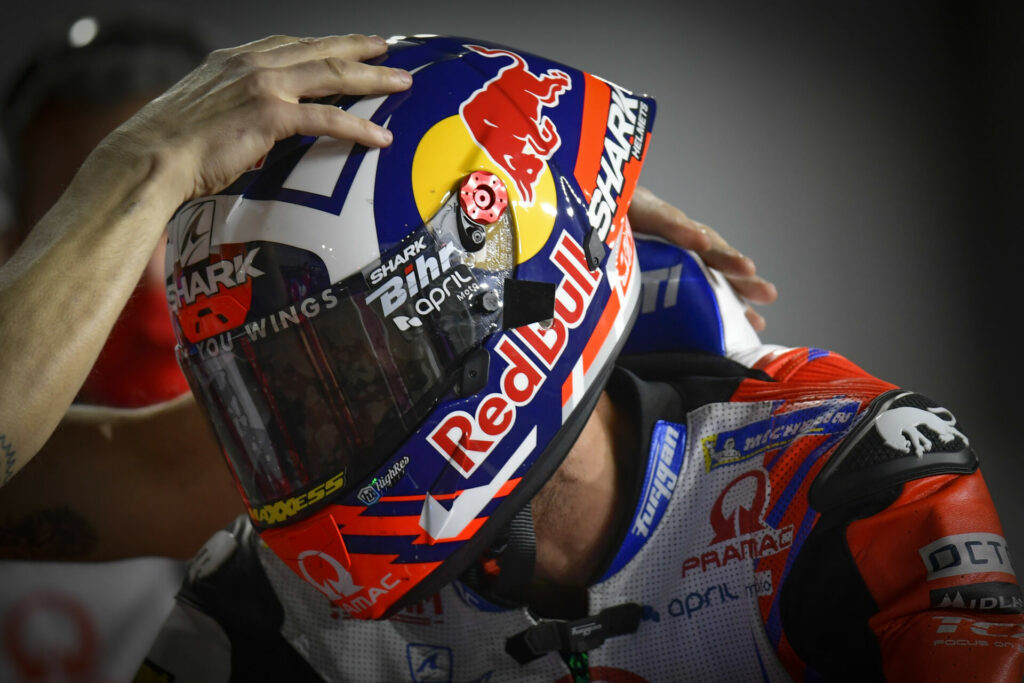
The sponsor logos on a rider’s helmet usually go to the rider and can be worth up to $1 million USD. This is Johann Zarco, who is sponsored by Red Bull, among others. Photo courtesy Dorna.
Riders also get paid or otherwise compensated for endorsement deals that are never even seen on their bike, leathers, or helmets, much like the kind of deals other professional athletes do away from the field of competition. An example of this would be appearing in a TV commercial or at a special event in exchange for cash or use a luxury car for a year.
MotoGP riders do not pay for their travel expenses. Most riders have all of their travel expenses taken care of. The teams make and pay for all of the travel arrangements, including two Business-class airline tickets to every test, race, and official personal appearance. And it’s interesting to note that personal appearances are one of the most heavily negotiated items when doing MotoGP rider contracts.
MotoGP riders further back on the grid may make their own travel arrangements and pay for them out of an allocated travel budget, which may or may not be enough for two Business-class tickets everywhere they go.
Most MotoGP riders are supported by a personal assistant (the person seen on camera carrying around their helmet bag, drink bottle, etc.), a riding coach, a personal trainer, a physical therapist, a nutritionist, and maybe more people behind the scenes. Some rider deals include an allowance for a personal assistant and a team may provide a physical therapist or massage therapist at the races, but most of the time a rider pays all of these support personnel out of their salary.
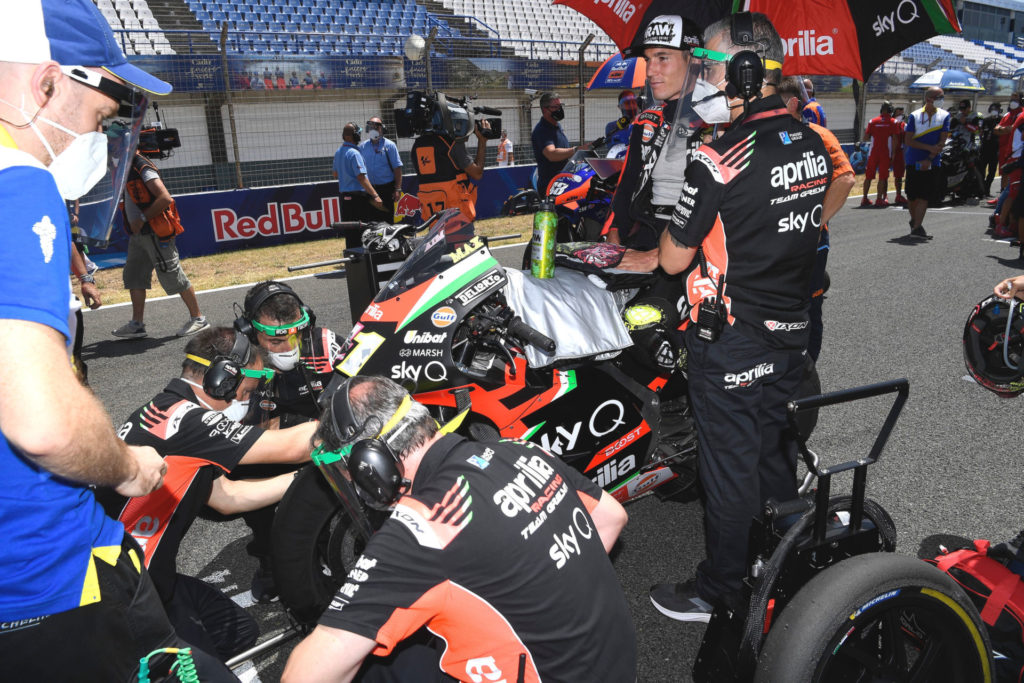
Aleix Espargaro on the grid at Jerez. Photo courtesy Aprilia.
When it comes to medical expenses, the rider receives free care from Clinica Mobile for anything while at the races and is provided health insurance coverage through IRTA (International Road Racing Teams Association) that covers their care whether it’s for an injury suffered while racing at an official event or an injury suffered while training on a motocross bike at their home in between races. Some riders, however, supplement this with additional health insurance, disability insurance, and life insurance coverage.
World Superbike
The compensation earned by riders in the FIM Superbike World Championship (WorldSBK) are understandably scaled down. For instance, most factory WorldSBK riders who have the potential to compete for top spots can make about €500,000-€600,000 ($527,000-$632,000 USD) per season, but riders can earn a salary of up to €1 million ($1.05 million USD), or more, if they win enough World Championships.
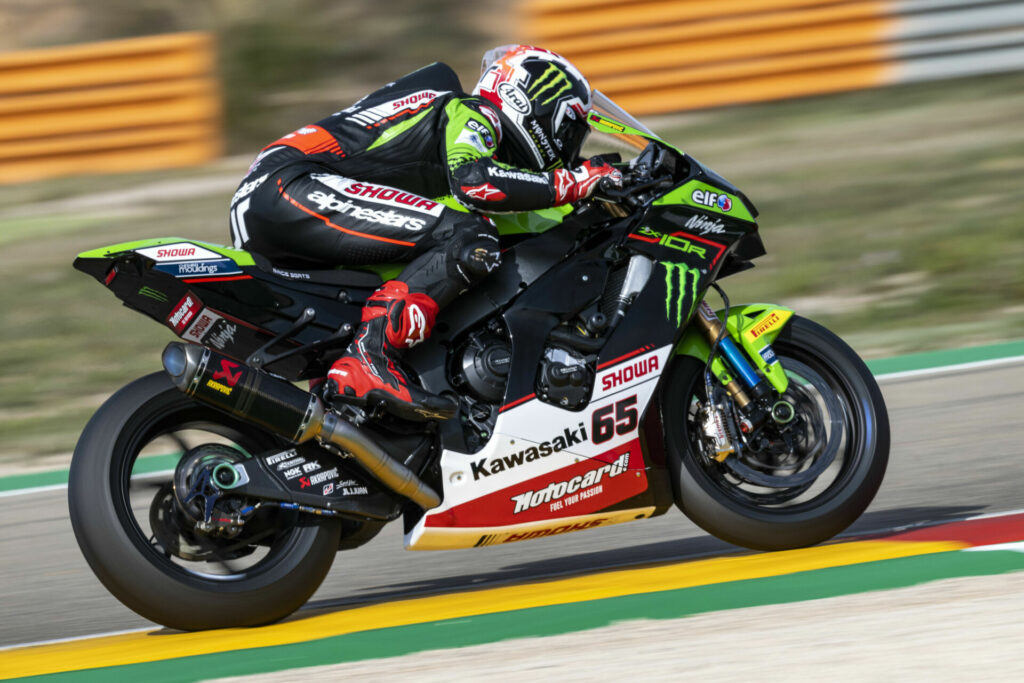
Six-time Superbike World Champion Jonathan Rea (65) is understandably one of the highest paid riders in the series. Photo courtesy Kawasaki.
At the bottom end of the scale, a rider with the right resume can buy a full-time ride on a Superbike. This price varies, obviously, but around €300,000 ($316,000 USD) will probably put a rider on a Superbike for a season. And believe it or not, that’s less than it costs to buy a Moto3 World Championship ride with a top team – approximately €400,000 ($421,000 USD). Having said that, there are top riders in Moto3 and Moto2 who are getting paid good money, including Americans Cameron Beaubier and Joe Roberts.
The same kinds of bonuses found in MotoGP are also available in WorldSBK, but again, they are scaled down and some riders may not get any bonuses for some significant accomplishments. At least one manufacturer doesn’t pay bonuses for winning one of the short Superpole races, for instance, and bonuses for qualifying results are rare.
WorldSBK riders still get paid to wear and endorse helmets and leathers, and a good deal with a helmet company can be worth €150,000 ($158,000 USD) with leathers companies paying top riders slightly less than that each season. An energy drink logo on the helmet of a top rider can bring another €150,000 ($158,000 USD) or more, while smaller logos on the helmet can pay the rider €10,000-€50,000 ($10,535-$52,676 USD).
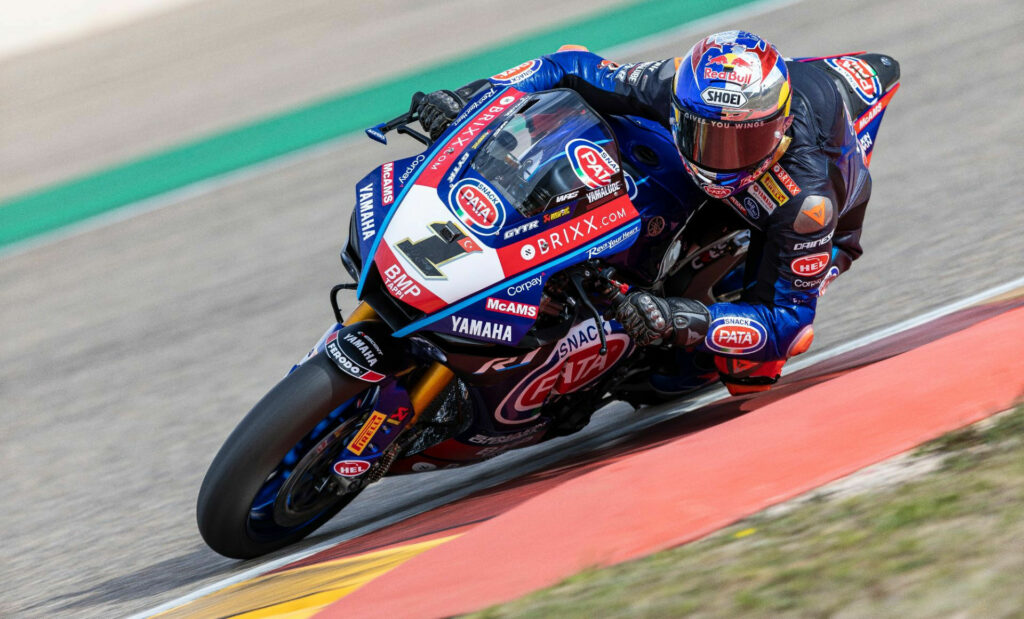
Reigning Superbike World Champion Toprak Razgatlioglu’s (1) deals with Shoei, Alpinestars, and Red Bull are likely smaller than deals given to similarly successful MotoGP riders. Photo courtesy Yamaha.
How travel expenses are handled varies widely between teams and riders. Factory riders typically have their travel expenses paid for albeit they may not always fly with a companion or in Business Class, but surprisingly at least one top rider pays for all of their travel expenses out of their salary. Other racers are allocated a travel budget to work with. Riders who pay to be on a team, obviously, also pay for their own travel expenses.
Like in MotoGP, the people who support a rider (personal assistant, rider coach, trainer, etc.) are paid by the rider out of their salary. Also like in MotoGP, WorldSBK riders are provided some level of medical insurance.
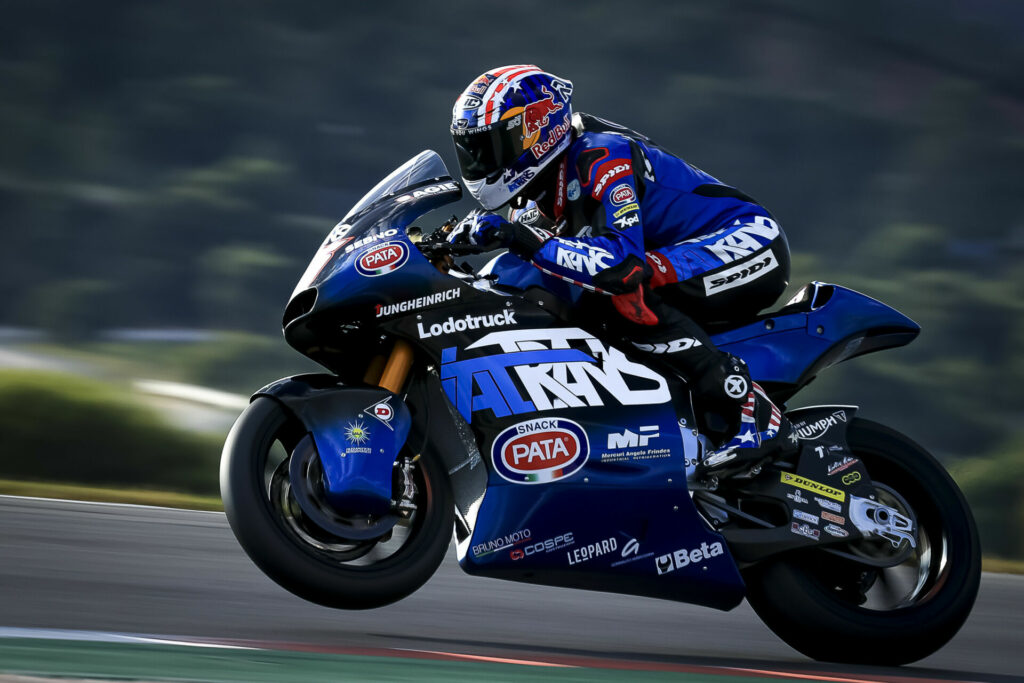
Some Moto2 riders like American Joe Roberts (16) make money racing, while others must bring money to get a ride. Photo courtesy Dorna.
Adding up salaries, helmet and leathers deals, and personal sponsorships, top MotoGP racers (aside from Marc Marquez and Valentino Rossi) can make between €7,475,000-€10,350,000 ($7,875,000-$10,900,000 USD) before bonuses and top WorldSBK riders can earn between €730,000-€1,475,000 ($769,000-$1,554,000 USD) before bonuses.
Unfortunately, we cannot tell you exactly how much each rider earns in salary, bonuses, and endorsement deals, but hopefully the information provided here will help you understand how well your favorite rider is doing. And hopefully it will also continue to fuel the dreams of all those aspiring racers out there, because there still are pots of gold at the end of some of those racing rainbows.
The 2022 Isle of Man TT Races is just around the corner and on Sunday 29 May the TT Mountain Course will once again come alive with breath-taking racing action taking place across the TT fortnight.
As racing returns to the legendary course, for the first time in the event’s 115-year history the Isle of Man TT Races will be broadcast live around the globe, bringing all the action and excitement straight to the fans.
Launching today is the TT Live Pass, which is available through the TT+ streaming platform with a one-off payment of £14.99 (€21.99 (EUR) / $24.99 (USD)/ $31.99 (CAD)/ $34.99 (AUD), which will give access to every qualifying session and race at TT 2022, as well as all the insight and analysis that goes with it.
If you haven’t already, sign-up to TT+ here, or if you have already signed up, you can now purchase the Live Pass and get set to experience the TT like never before.
To sign up for TT+ and receive TT content at your fingertips 24/7 visit: ttplus.iomttraces.com
Ducati announces an agreement with the Volkswagen Group for CKD assembling of motorcycles in Argentina
Volkswagen Group Argentina will begin in 2022 the CKD assembling of Ducati motorcycles for distribution within the local Argentinian market
Ducati has very good performances in Argentina in terms of market share and brand recognition
The Italian manufacturer has seven exclusive dealerships with integrated service in the country
Bologna, Italy / Córdoba, Argentina, 5 May 2022 – Ducati announces an agreement with Volkswagen Group Argentina for CKD assembly of Ducati motorcycles to be distributed within the local Argentinian market. At the Córdoba Industrial Center, production will start by the end of 2022 thanks to an important investment, making the VW plant the third factory in the world outside of Italy for Ducati.
“The Argentinian motorcycle market is very interesting, Ducati has a strong positioning in this country in which over the years we have been able to achieve excellent results, both in terms of volumes and market share”, said Francesco Milicia, Ducati VP Global Sales and After Sales. “In Argentina we can count on a great collaboration with the Volkswagen Group which distributes our bikes, and it is also thanks to this strong relationship that we are able to take this important step which will help to strengthen our position in this market even more”.
“Argentina is an important pillar for Volkswagen Latin America. With this new investment, we will continue to strengthen our brand in the region, with models that are increasingly adapted to the needs of our customers,” said Pablo Di Si, Executive Chairman of Volkswagen Latin America. “Starting to assemble Ducati motorcycles in Córdoba is a great joy, since Volkswagen Group Argentina will be the first VW Group subsidiary in the world to do so.”
The commercial relationship between Ducati and Volkswagen Group Argentina began in 2013, after Audi AG bought the Italian motorcycle manufacturer globally in 2012. Ducati has a very good recognition in the high-performance Argentinian motorcycle market, having achieved excellent results in terms of market penetration.
Ducati currently has seven exclusive dealerships in Argentina, which commercialize the full range of Ducati and Scrambler Ducati motorcycles. Each dealer offers an integrated service and a showroom area where the bikes are exposed, with an exclusive space dedicated to the “Land of Joy” and the Ducati Scrambler products.
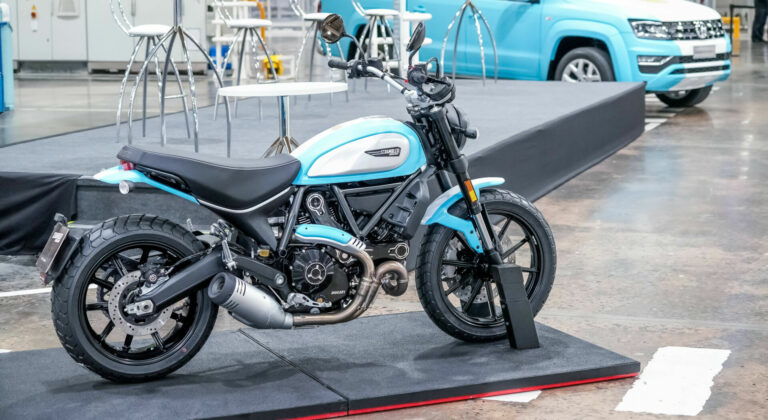
The first model to be assembled Córdoba Industrial Center will be the Scrambler Ducati Icon. The Scrambler Ducati range has become the most appreciated in the Argentinian market, after the first local presentation in 2016. Its urban-inspired motorcycles, designed under the post-heritage concept, invite personalization and self-expression while offering total versatility in their use, maintaining the features and characteristic equipment of every Ducati brand product.
FUELL Announces Exciting New Distribution Partnership With Velocity Distribution in Canada
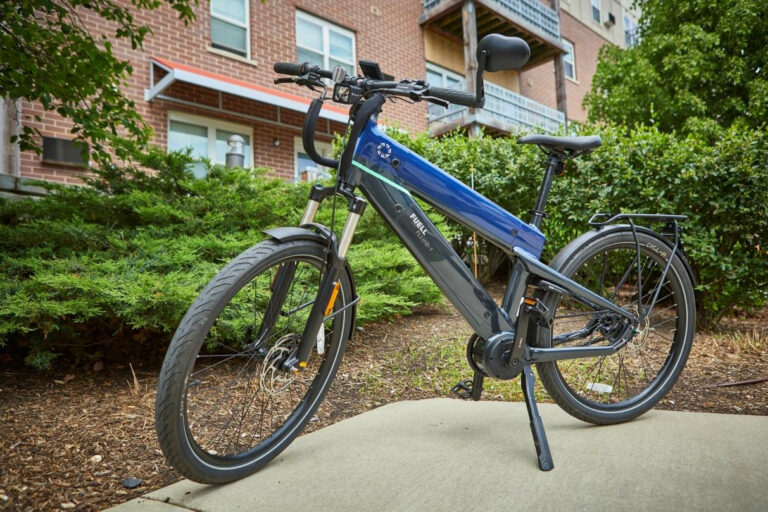
May 5, 2022- FUELL is thrilled to announce a new distribution partnership with Velocity Distribution in Canada. This electrifying new distribution partnership will provide Canadian consumers access to the complete line of FUELL e-bikes, and FUELL genuine parts and accessories.
This FUELL-Velocity partnership is a tremendous opportunity for both companies, as well as participating Canadian dealers and consumers. Consumer demand for e-bikes in Canada continues to grow rapidly and the new availability of FUELL e-bikes is the perfect solution for the Canadian market.
Recently, FUELL partnered with Velocity to display Flluid-1 e-bikes at the Montreal Bicycle Show with an impressive public response. The show was a huge success and the FUELL/Velocity booth was mobbed throughout the weekend. There was a strong interest from dealers, rental and leasing companies as well as consumers in FUELL products.
This kind of response proves the demand is high for FUELL e-bikes and that FUELL products meet the demands of Canadian consumers who are looking for a serious, premium technology and long-range e-bikes in Canada. Flluid e-bikes are a great solution for cities, suburbs and roads in the Canadian market.
“This new partnership is a real success for both brands. Providing desirable products through an exceptional dealer network that provides outlets and service near every rider has been Velocity’s forte for a long time. FUELL’s strengths are in innovative product design and manufacture. In the exploding marketplace for electric mobility, this makes a dream pairing for enthusiasts who want cutting-edge designs but need solid local support. Velocity’s leadership team has the breadth of knowledge and experience to go full bore into this emerging marketplace, and the leadership at FUELL is very excited for the future together” ~ Erik Buell – CTO at FUELL Inc.
“Bicycle and powersports dealers in our network are either readily selling e-powered bikes, or excited to make the move and integrate them into their lineups. The response to FUELL has been unanimous, they are all stunned by its looks, the performance and technology that FUELL is bringing forward.” Jason Mateus – Director of Sales at Velocity Distribution.
Everyone at FUELL and Velocity Distribution is excited about this new partnership and looking forward to many years of success for both brands!
ELORA, TN – A battle-tested icon will be seen and heard at the American Historic Racing Motorcycle Association (AHRMA) event at New Jersey Motorsports Park (NJMP) June 16-19.
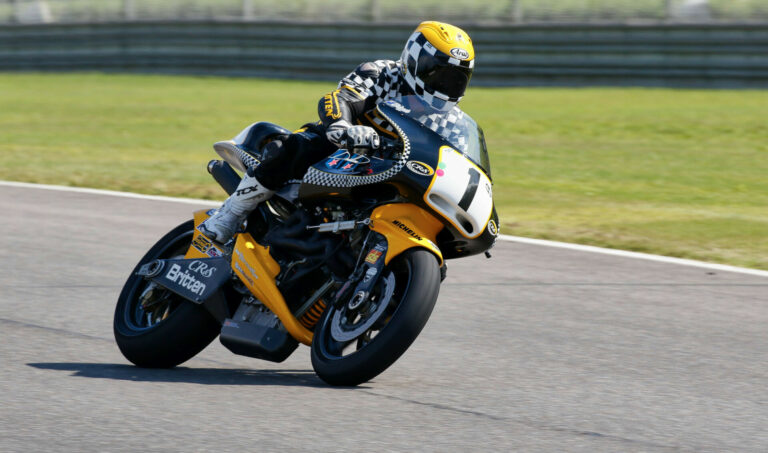
New Zealander Stephen Briggs will be doing laps on Bob Robbins’ Britten V1000.
“I am very lucky to have made great friends with (Briggs) after I acquired the bike, he rode to second place in the World Bears championship in 1995,” Robbins said. “I was able to reunite him with the bike in 2014.”
Robbins explained that the CR & S Britten was the first customer produced bike for Roberto Crepaldi of Café Racers & Superbikes (CR & S) and loaned to the factory from new for their racing efforts.
Known as P001 for the first production bike after three factory bikes, it has been rebuilt twice since 2014 including updating new components such as rods, pistons, and bearings.
“The engine cases and most components are original from 1994 and saw many thousands of World-level race miles in its day including the Isle of Man Senior TT in 1996 with Shaun Harris,” Robbins said. “Many parts have been replaced or reproduced to keep it running well.”
Some upgrades, including a Motec electronic system, have been added to preserve the original components in working condition and add some fail-safe features.
The engine has been slightly de-tuned by lowering the RPM limit. “In the day, these bikes were revved as high as 12,500 RPM at times and made 165 HP at the wheel,” Robbins said.
“The black and yellow color scheme was based on the CR & S racing team colors,” Robbins said. “After a successful history of racing at the World Championship level, it was retired and rebuilt after 1997 and put on display.”
The motorcycle had not been run for many years following. Robbins purchased the Britten in 2014 and it underwent a complete tear-down and refresh with the intention of using the bike for demonstration laps at racetracks.
Briggs has been on board the bike at several events since 2014, including the Pukekohe Park, Hampton Downs Classics events, and the Ruapuna New Zealand BEARS and John Britten 20th anniversary BEARS events in New Zealand during 2015. Continuing its tour in 2015 in the United States, the bike was on track at NJMP and was one of ten V1000’s in attendance and was one of the five on track at The Barber Vintage Festival. During 2016, it turned laps at the Ducati Club Race Assen. During 2017 the V1000 was at the AHRMA national at Road America, and the Isle Of Man Lap of Honor 2017. More recently, it was back at the 2019 Pukekohe New Zealand Classic, Burt Munro Challenge Invercargill New Zealand, and AHRMA’s Road America event.
More information about the AHRMA event at NJMP is at www.ahrma.org
About AHRMA
The American Historic Racing Motorcycle Association is a member-owned nonprofit organization dedicated to enhancing the sport of historic motorcycle racing. Since 1989, AHRMA has provided an appropriate environment to showcase vintage and alternative modern racing motorcycles in the disciplines of road racing, motocross, dirt track, trials, and cross country. With more than 3,300 members, AHRMA is the largest vintage racing group in North America and is one of the world’s leading vintage motorcycle organizations.
Ducati and Audi together in Sardinia with DesertX and RS Q e-tron for a special event
International debut for DesertX and RS Q e-tron, together in off-road with Danilo Petrucci and the official Audi drivers including Stéphane Peterhansel and Carlos Sainz
To celebrate this partnership, the Centro Stile Ducati has created a special livery for the DesertX inspired by that of the Audi RS Q e-tron
The new DesertX will be available in European dealerships starting from the end of May, also in a depowered version for A2 license holders
Olbia / Borgo Panigale, Bologna (Italy), 4 May 2022 – The most highly anticipated motorcycle of 2022 and the most surprising rally prototype met in Sardinia for a special event organized in partnership by Ducati and Audi. The new Ducati DesertX and the Audi RS Q e-tron took centre-stage in the first test reserved for the international media, which could also count on the presence of Danilo Petrucci, winner of a stage of the Dakar 2022, and the official Audi drivers/co-drivers Emil Bergkvist, Stéphane Peterhansel, Edouard Boulanger, Carlos Sainz and Lucas Cruz.
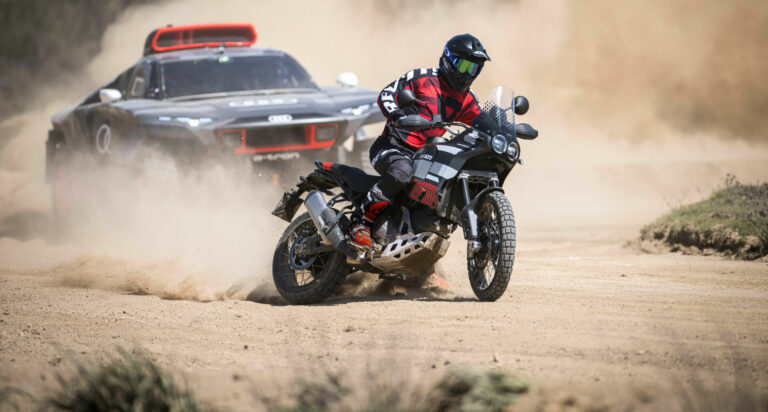
To celebrate this event, the Centro Stile Ducati has created an exclusive livery for the DesertX inspired by that of the RS Q e-tron. This special bike was ridden by Petrucci, who put on a show together with the Sainz/Cruz pairing on a technical off-road track.
Andrea Ferraresi, Centro Stile Ducati Director: “When we saw the RS Q e-tron for the first time, we couldn’t help but imagine it in action among the dunes and rocks together with the DesertX. This event gave us the opportunity to do so and so we decided to create an exclusive livery, inspired by the colours and graphics of the Audi prototype. Seeing cars and motorcycles together off-road is truly a great show. The collaboration between the two brands and between their respective Design Centers is strong and important”.
The DesertX is the model with which the Borgo Panigale motorcycle manufacturer enters the mid-displacement enduro segment. The bike is designed to tackle the most demanding off-road and for this reason it is equipped with a 21″ front wheel, 18″ rear wheel, long suspension travel and ample ground clearance. Powered by the 11° Testastretta engine , DesertX guarantees a comfortable, easy and safe ride on every type of journey thanks to the attention paid to ergonomics, careful aerodynamic study and advanced technological equipment.
The safety and performance of the new Ducati model are also guaranteed by the electronic systems, which represent the state of the art in terms of riding assistance. There are 6 Riding Modes available on DesertX (two of which are intended for off-road use: Enduro and Rally), and they work in combination with the 4 Power Modes that modify the power and responsiveness of the engine.
The RS Q e-tron is Audi’s rally prototype to tackle the desert and embodies the purest efficiency. The innovative electric drive with high voltage batteries and energy converter pushes the limits of what is possible. The RS Q e-tron made its debut in the 2022 Dakar Rally last January and impressed with four stage victories, while in March it achieved his first overall victory at the Abu Dhabi Desert Challenge. Audi factory driver driver Carlos Sainz underlined the importance of the model for the motorsport program of the German manufacturer: “What Audi has achieved with this concept is technically unique and a real benefit for us drivers. The event in Sardinia was great to communicate the benefits of the electric drive. All the media were impressed throughout”.
Sainz, Petrucci and all the Audi drivers were greeted enthusiastically by the press during this event which confirmed the great bond and constant collaboration between Ducati and Audi.
The new DesertX, which since its presentation has met with remarkable success, will be available in all European dealerships in the Ducati network from the end of May. The new model is also available in a 35kW depowered version for A2 license holders.
The time has come for bikers to make their wildest travel dreams come true.
The NorthEast Motorcycle Road Racing (NEMRR) series round one was held under blustery cold conditions for much of the weekend of April 30-May 1 at the freshly improved New Hampshire Motor Speedway (NHMS). The sun came out on Sunday afternoon and gave riders the opportunity to experience the revitalized racetrack surface at full pace for the first time.
NEMRR president John Grush worked with the staff at NHMS over the off season and coordinated a plan to make some significant improvements to the track in several areas. Together with several NEMRR veteran riders, Grush helped NHMS to use the budget to the fullest and the crew smoothed out critical bumps in Turn 1, Turn 8, two places in Turn 10, Turn 11 and Turn 12. The feedback from the paddock was universally positive. The track is safer and more enjoyable to ride and the series may see faster lap times as the series holds its next few events.
While practice times were off due to the cold and windy conditions on Saturday morning, there was a mix of familiar faces and some new winners as the sun came out and the races unfolded during the day.
NEMRR #1 plate holder Rick Doucette led off the weekend in the GTL by #74 class with a win on his Plaistow Powersports Yamaha R5 over a hard-charging Eli Block on his Built by Block motard bike.
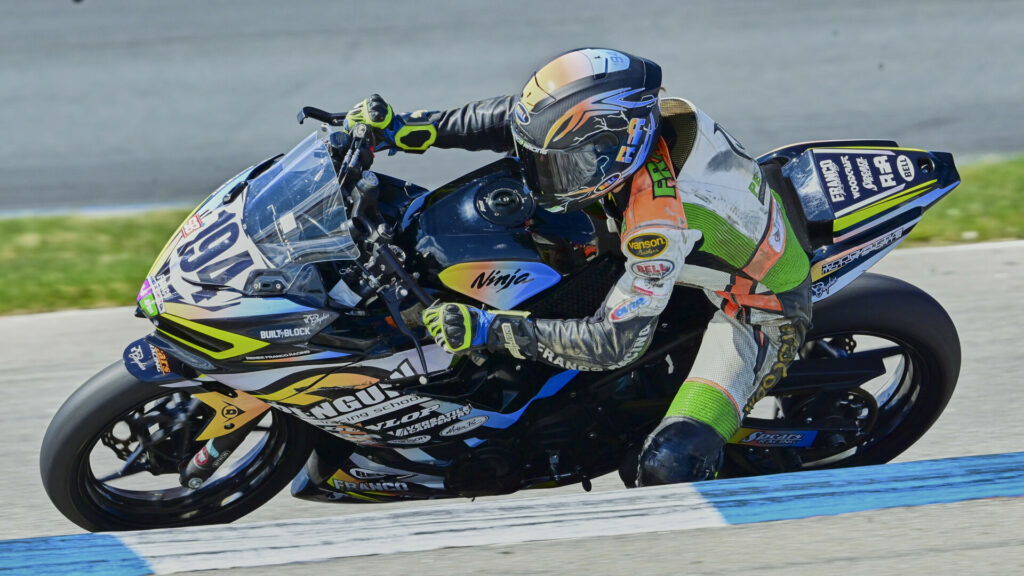
A special congratulations went out to 18-year-old Renee Franco on her Penguin Racing Ninja 400 as she scored her first ever Expert class victory over Souhegan Valley Motorsports’ Shane Lewis in the FirstTrax GT500 Class.
Renee Franco (194). Photo by Martin Hanlon, courtesy NEMRR.
Perennial NEMRR champion Scott Greenwood dominated the Adrenaline Performance GTO and Dunlop Tires GTU classes on his Argo Cycles Yamaha R6, running times in the low 1:13 range in spite of the sub-50 degree temperatures!
The feature Saturday was again the Michelin Motorace $1500 challenge, which features many of the strongest riders in NEMRR on the popular middleweight class machines. This was an all-Yamaha affair at the front as 2021 Champion Greenwood grabbed the holeshot and used a steady stream of 1:13 laps to separate himself form the field. The real battle was between veteran riders Rick Doucette and Tony’s Track Days’ Paul Duval. Duval got the jump off the line but Doucette got aggressive early and took over the second spot for a few laps. Duval struck back as the two approached the halfway point and ran some defensive lines on the final lap to secure his runner-up position.
2022 also marked the launch of a new era of lightweight class racing with NEMRR with the advent of the Dunlop Talent Cup. Corey Maynard, Tony Romo and Chad Geer of Dunlop Tires were all in attendance to show their support of this new class, which was designed to support young riders on MotoAmerica Junior Cup-level machinery. Dunlop is offering both special weekend Dunlop contingency awarded to the top 5 Dunlop finishers and championship bonus cash at the end of the year.
NEMRR and Dunlop are excited to provide this opportunity for these promising young riders, and the series is excited to continue to have more riders follow in the footsteps of successful NEMRR riders like Ben Gloddy, Teagg Hobbs, and Eli Block at the MotoAmerica level.
Renee Franco continued her breakout weekend by grabbing the early lead and making her way though traffic with confidence as the race progressed. She was followed by her Penguin Racing teammate Brianna McHugh and Shane Lewis to round out the podium.
NEMRR Round 2 is May 21-22 and the 99th running of the Loudon Classic is June 18-19.
For more information on NEMRR event visit www.nemrr.com
First round of the Aprilia Racing RS 660 Trofeo, May 6-8 at Valleunga, Italy
The Aprilia Racing RS 660 Trofeo kicks off the 2022 season with the first round May 6-8 at the Vallelunga Circuit, Campagnano di Roma, Italy, in conjunction with the Italian CIV Championship.
In a partnership between BK Corse and Robem Engineering, Robem Engineering MotoAmerica Twins Cup riders Ben Gloddy and Teagg Hobbs will compete against the European competition, as well as fellow Americans Max Toth and Kaleb De Keyrel.
The Aprilia RS 660 Trofeo allows riders to showcase their individual talent on equivalent machinery, identically prepared by Aprilia Racing.
With its arrival in the MotoAmerica Twins Cup series, the Aprilia RS 660 has shown its capability to elevate the competition, proving victorious in the 2021 championship. With the RS 660 Trofeo, Aprilia Racing extends its collaboration with the US to create opportunities for its most talented riders.
The live timing and streaming links can be found here: https://www.civ.tv
Robem Engineering’s partners for 2022 include Aprilia Racing, Piaggio Group Americas, BK Corse, Synchrony, The Center for Plastic Surgery, Velocity Calibrations, Bitubo Suspension, Woodcraft Technologies, Dymag, Vesrah, Sprint Filter, DID, Magura USA, Sara Chappell Photos, NGK/NTK, Blud Lubricants, Millennium Technologies, Motovation USA and SC-Project.
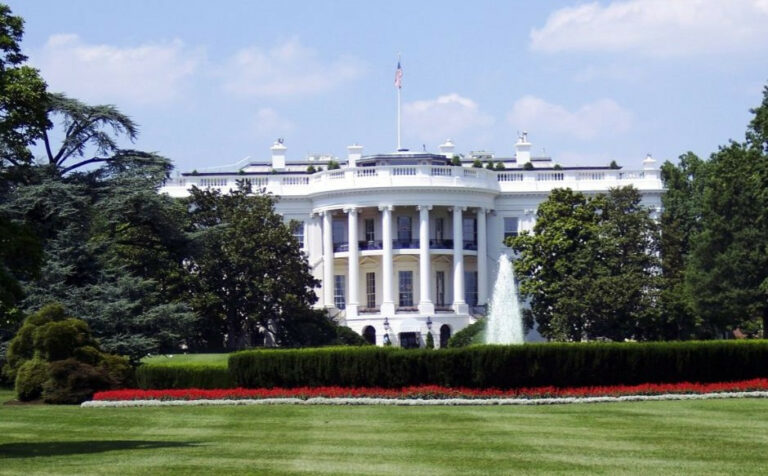
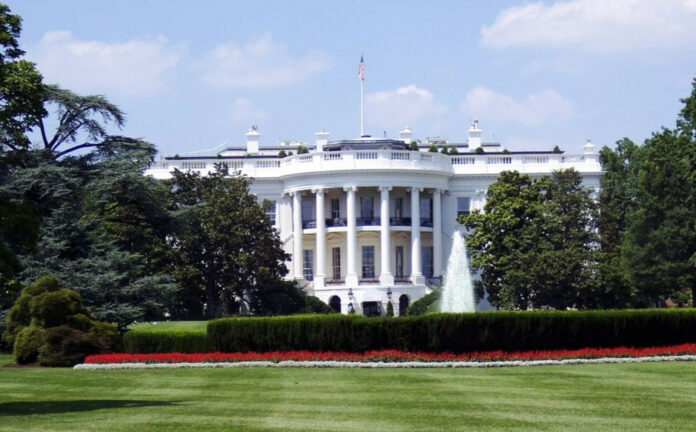
The White House, the residence of the President of the United States of America. Photo courtesy AMA.
President Biden Officially Recognizes May as Motorcycle Safety Awareness Month
First presidential acknowledgment of MSAM comes after AMA’s work with MIC and MSF to request White House recognition
PICKERINGTON, Ohio — The White House and President Biden officially released a letter acknowledging May as Motorcycle Safety Awareness Month. This comes less than three months after the American Motorcyclist Association (AMA), the Motorcycle Industry Council (MIC) and the Motorcycle Safety Foundation (MSF) met with U.S. Department of Transportation (DOT) Secretary Buttigieg requesting White House recognition of the month and addressing other motorcycle industry priorities.
Last year, the AMA also worked with the MIC and MSF on a letter, joining their existing effort urging the White House to recognize Motorcycle Safety Awareness month, highlighting the organizations’ — and DOT’s — annual public-awareness campaigns.
“For millions of Americans, riding a motorcycle is more than a mode of transportation — it’s a way of life,” President Biden said in the letter. “A motorcycle offers freedom, recreation, and the opportunity to explore our great Nation coast-to-coast. But unfortunately, riding is not without risk. Each year, thousands of motorcycles are killed on our Nation’s roads and highways … My administration remains committed to ensuring the safety of everyone who rides a motorcycle and all who travel across our Nation.”
President Biden also addressed the Bipartisan Infrastructure Law and its plan to modernize highways, roads, and bridges used by motorcyclists across the country. That same law also reauthorized the Motorcycle Advisory Council (MAC) to advise the Department of Transportation on motorcycle safety issues.
The most recent iteration of the MAC was chaired by the AMA’s Director of Government Relations Michael Sayre from 2017 until 2020 when the MAC submitted its recommendations to the Department of Transportation. The MAC’s recommendations addressed concerns with roadside barrier design, roadway design, construction, and maintenance practices along with concerns with emerging intelligent transportation technologies.
“We’re eagerly waiting for the new MAC to be seated,” Sayre said, “and to begin its work. The AMA and other motorcycling organizations worked hard to expand the membership of the MAC as well as require multiple rounds of recommendations and provide more representative and exhaustive feedback from the motorcycling community. We also look forward to the administration working with the motorcycle community to advance safety for our roads.”
“The AMA also calls upon the Biden administration to follow through on this statement and the requirements set forth in the Bipartisan Infrastructure Law,” Sayre continued, “including motorcycles in the testing and standards for advanced driver assistance systems and automated vehicles, a safety benefit the recently proposed update to the New Car Assessment Program acknowledges, but fails to do.”
Stay tuned to AmericanMotorcyclist.com and the AMA’s social media channels throughout the month of May for more information and tips surrounding motorcycle safety and awareness.
About the American Motorcyclist Association
Founded in 1924, the AMA is a not-for-profit member-based association whose mission is to promote the motorcycle lifestyle and protect the future of motorcycling. As the world’s largest motorcycling rights and event sanctioning organization, the AMA advocates for riders’ interests at all levels of government and sanctions thousands of competition and recreational events every year. Besides offering members money-saving discounts on products and services, the AMA also publishes American Motorcyclist, a recently revitalized and monthly full-color magazine (and digital version of same) that covers current events and motorcycle history with brilliant photography and compelling writing. American Motorcyclist is also North America’s largest-circulation magazine. Through the AMA Motorcycle Hall of Fame in Pickerington, Ohio, the AMA honors the heroes and heritage of motorcycling. For more information, visit americanmotorcyclist.com.
Not a member? Join the AMA today: americanmotorcyclist.com.
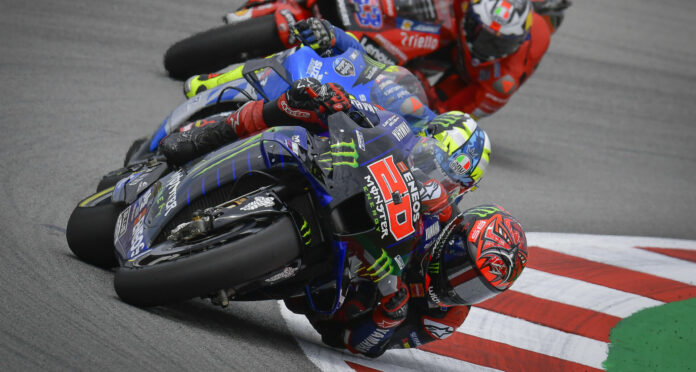
Factory riders like Fabio Quartararo (20), Joan Mir (behind Quartararo), and Jack Miller (43) can earn millions each season in salary, endorsements, and bonuses. Photo courtesy Dorna.
Copyright 2022, Roadracing World Publishing, Inc.
By David Swarts
How much money do MotoGP and Superbike World Championship riders earn? It’s not an easy question to answer accurately for a variety of reasons, but we’re going to try to do it.
In most professional sports leagues the salaries of the athletes are made known when their new contracts are done, but it’s not like this in professional motorcycle racing. In most two-wheel racing series there is specific language in contracts forbidding riders and their managers from disclosing the financial terms of their deals.
It’s believed that teams and manufacturers do this in order to keep rider salaries as low as possible and prevent each up-and-coming new star from demanding a higher salary than the star that came before them, like athletes do in other professional sports.
As a result of all of this, very few people truly know what two-wheel heroes are paid to risk life and limb to win races.
Maverick Vinales was almost struck by what was left of a crashed motorcycle during the MotoGP race at the first Austrian Grand Prix of 2020. Photo courtesy Dorna.
There are some websites on the internet that list MotoGP rider salaries, but this information is mostly based on rumors, hearsay, and guesses. For example, one website in 2021 listed then-Aprilia test rider Bradley Smith making a higher salary than Aprilia factory racer Aleix Espargaro.
In an effort to replace this cyber guesswork with real information and lift the shroud of mystery over what current riders actually earn and how they earn it, Roadracing World reached out to trusted sources within the MotoGP and Superbike World Championship paddocks. These sources are riders, rider managers, and team leaders – people who have actually negotiated and signed contracts in recent seasons, but due to the sensitive and confidential nature of this information they must remain anonymous and we’ve tried to avoid associating specific numbers with specific riders.
MotoGP
The range of a MotoGP rider’s base salary obviously varies due to a variety of reasons with proven success or lack thereof and popularity/marketability in key markets being the predominant factors. Top factory riders who have won races and are Championship contenders can command a salary of about €6-8 million Euros ($6.3-8.4 million USD, at early-May exchange rates). That, however, does not include six-time MotoGP World Champion Marc Marquez, who is paid about double that, approximately €15 million (about $16 million USD) per season.
By all accounts, six-time MotoGP World Champion Marc Marquez (93) receives the largest salary in MotoGP, an estimated 15 million Euro or approximately $16 million USD each season. Photo courtesy Repsol Honda.
MotoGP riders who have the potential to finish on the podium and maybe win a race can earn between €1-€5 million ($1.05-$5.23 million USD) in base salary, and a rider who just came up from Moto2 and/or is getting a shot with a satellite or independent team may only earn €250,000-€500,000 ($263,000-$527,000 USD). According to our sources, no one in the MotoGP World Championship is currently paying for their ride with their own money or a personal sponsor’s money.
A factory MotoGP rider who has won races and the World Championship, like Joan Mir, can command an annual salary between $6-8 million USD. Photo courtesy Team Suzuki ECSTAR.
These numbers then vary among riders of an equal caliber because some riders go with a larger guaranteed salary and a smaller bonus structure, while other riders bet on themselves and accept a lower base salary with the potential to earn even more with large bonuses. For instance, a rider who went with a low salary might get a bonus of €250,000 ($263,000 USD) for winning a MotoGP race, while a rider with a large salary might only get €10,000 ($10,500 USD) for a win. The same holds true for Championship bonuses, which can be worth €1 million ($1.05 million USD) or more.
Even a MotoGP rookie like Darryn Binder (40) is commands a six-figure salary plus endorsements and bonuses. Photo courtesy Dorna.
Bonuses can be earned for race wins, podium finishes, pole positions, lap records, front-row qualifying results, Championship points scored, and final Championship finishing position. Bonuses can also be earned from a rider’s personal sponsors.
As far as personal sponsors go, riders can negotiate space for their sponsors’ logos on the motorcycle, their leathers, and their helmets, but at the higher team and salary levels this available space is minimal and limited to one spot on the upper chest (which usually goes to the rider’s helmet sponsor) and sometimes a space on one or both arms of the leather suit.
Helmet deals, what a helmet manufacturer pays the rider to wear and endorse their helmet, can vary in value by brand as well as the resume of the rider. A rider who chooses to go with a premium helmet brand may do so for less money than he could get from an emerging brand that stands to benefit more from the exposure the rider would bring. At the top of the food chain, a rider can earn €600,000-€700,000 ($630,000-$738,000 USD) per season from his helmet manufacturer and €300,000-€400,000 ($316,000-$421,000 USD) from their leathers supplier.
A rider gets paid by helmet and leather manufacturers to wear and endorse their brands. Fabio Quartararo is backed by Alpinestars and Scorpion helmets, among others. Photo courtesy Monster Energy Yamaha.
The value of personal sponsorship stickers on a rider’s helmet also varies widely based on the size and location of the sticker. At the high end, an energy drink company may pay €1 million ($1.05 million USD) — or more if your name is Valentino Rossi – to put a large logo on the side of a rider’s helmet. Smaller stickers placed elsewhere on a rider’s helmet cost a minimum of €25,000 ($26,338 USD) per season and goes up to €200,000 ($211,000 USD) or more for something on the chin bar, but we are told that there are some riders in the World Championships who still put stickers on their helmet in exchange for free product and to be affiliated with premier global brands they like. Think Oakley or Nike.
The sponsor logos on a rider’s helmet usually go to the rider and can be worth up to $1 million USD. This is Johann Zarco, who is sponsored by Red Bull, among others. Photo courtesy Dorna.
Riders also get paid or otherwise compensated for endorsement deals that are never even seen on their bike, leathers, or helmets, much like the kind of deals other professional athletes do away from the field of competition. An example of this would be appearing in a TV commercial or at a special event in exchange for cash or use a luxury car for a year.
MotoGP riders do not pay for their travel expenses. Most riders have all of their travel expenses taken care of. The teams make and pay for all of the travel arrangements, including two Business-class airline tickets to every test, race, and official personal appearance. And it’s interesting to note that personal appearances are one of the most heavily negotiated items when doing MotoGP rider contracts.
MotoGP riders further back on the grid may make their own travel arrangements and pay for them out of an allocated travel budget, which may or may not be enough for two Business-class tickets everywhere they go.
Most MotoGP riders are supported by a personal assistant (the person seen on camera carrying around their helmet bag, drink bottle, etc.), a riding coach, a personal trainer, a physical therapist, a nutritionist, and maybe more people behind the scenes. Some rider deals include an allowance for a personal assistant and a team may provide a physical therapist or massage therapist at the races, but most of the time a rider pays all of these support personnel out of their salary.
Aleix Espargaro on the grid at Jerez. Photo courtesy Aprilia.
When it comes to medical expenses, the rider receives free care from Clinica Mobile for anything while at the races and is provided health insurance coverage through IRTA (International Road Racing Teams Association) that covers their care whether it’s for an injury suffered while racing at an official event or an injury suffered while training on a motocross bike at their home in between races. Some riders, however, supplement this with additional health insurance, disability insurance, and life insurance coverage.
World Superbike
The compensation earned by riders in the FIM Superbike World Championship (WorldSBK) are understandably scaled down. For instance, most factory WorldSBK riders who have the potential to compete for top spots can make about €500,000-€600,000 ($527,000-$632,000 USD) per season, but riders can earn a salary of up to €1 million ($1.05 million USD), or more, if they win enough World Championships.
Six-time Superbike World Champion Jonathan Rea (65) is understandably one of the highest paid riders in the series. Photo courtesy Kawasaki.
At the bottom end of the scale, a rider with the right resume can buy a full-time ride on a Superbike. This price varies, obviously, but around €300,000 ($316,000 USD) will probably put a rider on a Superbike for a season. And believe it or not, that’s less than it costs to buy a Moto3 World Championship ride with a top team – approximately €400,000 ($421,000 USD). Having said that, there are top riders in Moto3 and Moto2 who are getting paid good money, including Americans Cameron Beaubier and Joe Roberts.
The same kinds of bonuses found in MotoGP are also available in WorldSBK, but again, they are scaled down and some riders may not get any bonuses for some significant accomplishments. At least one manufacturer doesn’t pay bonuses for winning one of the short Superpole races, for instance, and bonuses for qualifying results are rare.
WorldSBK riders still get paid to wear and endorse helmets and leathers, and a good deal with a helmet company can be worth €150,000 ($158,000 USD) with leathers companies paying top riders slightly less than that each season. An energy drink logo on the helmet of a top rider can bring another €150,000 ($158,000 USD) or more, while smaller logos on the helmet can pay the rider €10,000-€50,000 ($10,535-$52,676 USD).
Reigning Superbike World Champion Toprak Razgatlioglu’s (1) deals with Shoei, Alpinestars, and Red Bull are likely smaller than deals given to similarly successful MotoGP riders. Photo courtesy Yamaha.
How travel expenses are handled varies widely between teams and riders. Factory riders typically have their travel expenses paid for albeit they may not always fly with a companion or in Business Class, but surprisingly at least one top rider pays for all of their travel expenses out of their salary. Other racers are allocated a travel budget to work with. Riders who pay to be on a team, obviously, also pay for their own travel expenses.
Like in MotoGP, the people who support a rider (personal assistant, rider coach, trainer, etc.) are paid by the rider out of their salary. Also like in MotoGP, WorldSBK riders are provided some level of medical insurance.
Some Moto2 riders like American Joe Roberts (16) make money racing, while others must bring money to get a ride. Photo courtesy Dorna.
Adding up salaries, helmet and leathers deals, and personal sponsorships, top MotoGP racers (aside from Marc Marquez and Valentino Rossi) can make between €7,475,000-€10,350,000 ($7,875,000-$10,900,000 USD) before bonuses and top WorldSBK riders can earn between €730,000-€1,475,000 ($769,000-$1,554,000 USD) before bonuses.
Unfortunately, we cannot tell you exactly how much each rider earns in salary, bonuses, and endorsement deals, but hopefully the information provided here will help you understand how well your favorite rider is doing. And hopefully it will also continue to fuel the dreams of all those aspiring racers out there, because there still are pots of gold at the end of some of those racing rainbows.
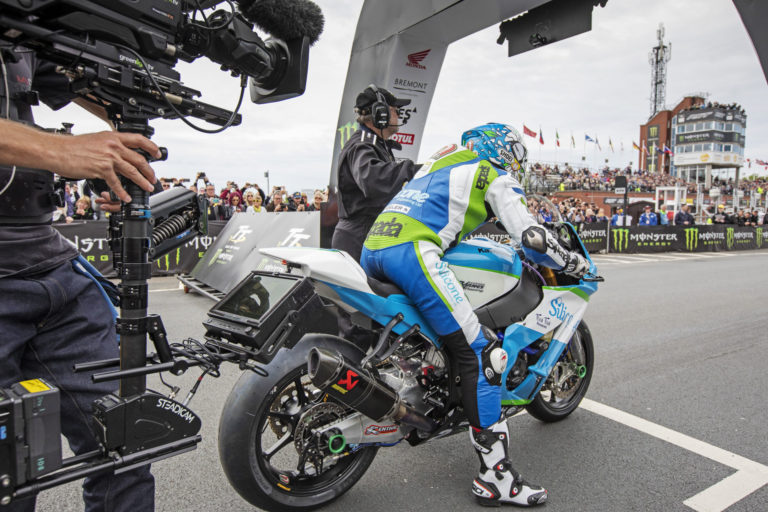
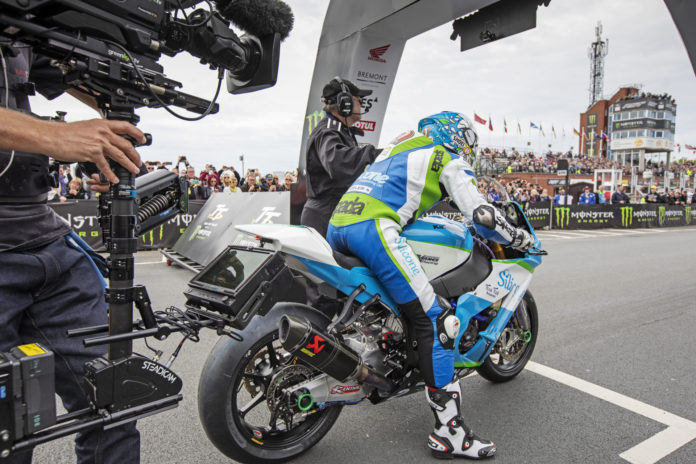
Dean Harrison prepares to launch during the 2019 Isle of Man TT. Photo courtesy Isle of Man TT Press Office.
TT+ LIVE PASS NOW ON SALE
The TT+ Live Pass is Now Available to Purchase
The 2022 Isle of Man TT Races is just around the corner and on Sunday 29 May the TT Mountain Course will once again come alive with breath-taking racing action taking place across the TT fortnight.
As racing returns to the legendary course, for the first time in the event’s 115-year history the Isle of Man TT Races will be broadcast live around the globe, bringing all the action and excitement straight to the fans.
Launching today is the TT Live Pass, which is available through the TT+ streaming platform with a one-off payment of £14.99 (€21.99 (EUR) / $24.99 (USD)/ $31.99 (CAD)/ $34.99 (AUD), which will give access to every qualifying session and race at TT 2022, as well as all the insight and analysis that goes with it.
If you haven’t already, sign-up to TT+ here, or if you have already signed up, you can now purchase the Live Pass and get set to experience the TT like never before.
To sign up for TT+ and receive TT content at your fingertips 24/7 visit: ttplus.iomttraces.com
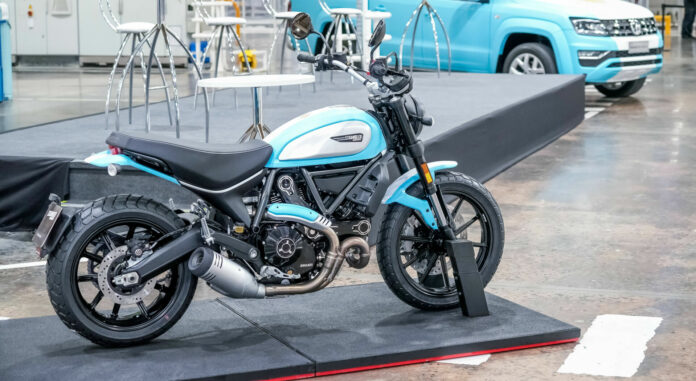
A Ducati Scrambler Icon customized with colors from the Argentinian flag. Photo courtesy Ducati.
Ducati announces an agreement with the Volkswagen Group for CKD assembling of motorcycles in Argentina
Volkswagen Group Argentina will begin in 2022 the CKD assembling of Ducati motorcycles for distribution within the local Argentinian market
Ducati has very good performances in Argentina in terms of market share and brand recognition
The Italian manufacturer has seven exclusive dealerships with integrated service in the country
Bologna, Italy / Córdoba, Argentina, 5 May 2022 – Ducati announces an agreement with Volkswagen Group Argentina for CKD assembly of Ducati motorcycles to be distributed within the local Argentinian market. At the Córdoba Industrial Center, production will start by the end of 2022 thanks to an important investment, making the VW plant the third factory in the world outside of Italy for Ducati.
“The Argentinian motorcycle market is very interesting, Ducati has a strong positioning in this country in which over the years we have been able to achieve excellent results, both in terms of volumes and market share”, said Francesco Milicia, Ducati VP Global Sales and After Sales. “In Argentina we can count on a great collaboration with the Volkswagen Group which distributes our bikes, and it is also thanks to this strong relationship that we are able to take this important step which will help to strengthen our position in this market even more”.
“Argentina is an important pillar for Volkswagen Latin America. With this new investment, we will continue to strengthen our brand in the region, with models that are increasingly adapted to the needs of our customers,” said Pablo Di Si, Executive Chairman of Volkswagen Latin America. “Starting to assemble Ducati motorcycles in Córdoba is a great joy, since Volkswagen Group Argentina will be the first VW Group subsidiary in the world to do so.”
The commercial relationship between Ducati and Volkswagen Group Argentina began in 2013, after Audi AG bought the Italian motorcycle manufacturer globally in 2012. Ducati has a very good recognition in the high-performance Argentinian motorcycle market, having achieved excellent results in terms of market penetration.
Ducati currently has seven exclusive dealerships in Argentina, which commercialize the full range of Ducati and Scrambler Ducati motorcycles. Each dealer offers an integrated service and a showroom area where the bikes are exposed, with an exclusive space dedicated to the “Land of Joy” and the Ducati Scrambler products.
The first model to be assembled Córdoba Industrial Center will be the Scrambler Ducati Icon. The Scrambler Ducati range has become the most appreciated in the Argentinian market, after the first local presentation in 2016. Its urban-inspired motorcycles, designed under the post-heritage concept, invite personalization and self-expression while offering total versatility in their use, maintaining the features and characteristic equipment of every Ducati brand product.
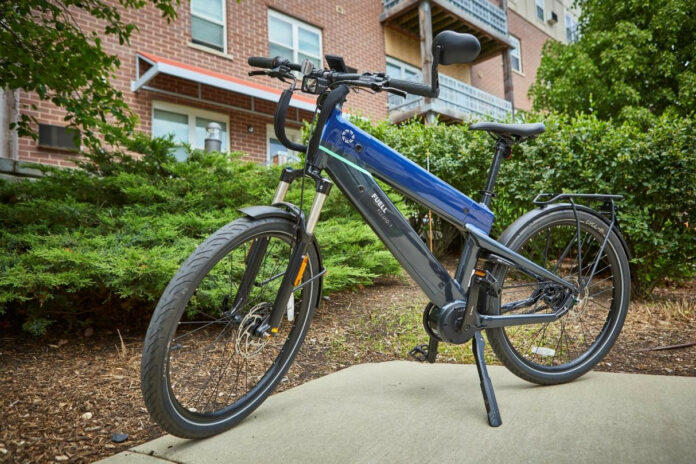
A FUELL electric bicycle. Photo courtesy Tucker Powersports.
FUELL Announces Exciting New Distribution Partnership With Velocity Distribution in Canada
May 5, 2022- FUELL is thrilled to announce a new distribution partnership with Velocity Distribution in Canada. This electrifying new distribution partnership will provide Canadian consumers access to the complete line of FUELL e-bikes, and FUELL genuine parts and accessories.
This FUELL-Velocity partnership is a tremendous opportunity for both companies, as well as participating Canadian dealers and consumers. Consumer demand for e-bikes in Canada continues to grow rapidly and the new availability of FUELL e-bikes is the perfect solution for the Canadian market.
Recently, FUELL partnered with Velocity to display Flluid-1 e-bikes at the Montreal Bicycle Show with an impressive public response. The show was a huge success and the FUELL/Velocity booth was mobbed throughout the weekend. There was a strong interest from dealers, rental and leasing companies as well as consumers in FUELL products.
This kind of response proves the demand is high for FUELL e-bikes and that FUELL products meet the demands of Canadian consumers who are looking for a serious, premium technology and long-range e-bikes in Canada. Flluid e-bikes are a great solution for cities, suburbs and roads in the Canadian market.
“This new partnership is a real success for both brands. Providing desirable products through an exceptional dealer network that provides outlets and service near every rider has been Velocity’s forte for a long time. FUELL’s strengths are in innovative product design and manufacture. In the exploding marketplace for electric mobility, this makes a dream pairing for enthusiasts who want cutting-edge designs but need solid local support. Velocity’s leadership team has the breadth of knowledge and experience to go full bore into this emerging marketplace, and the leadership at FUELL is very excited for the future together” ~ Erik Buell – CTO at FUELL Inc.
“Bicycle and powersports dealers in our network are either readily selling e-powered bikes, or excited to make the move and integrate them into their lineups. The response to FUELL has been unanimous, they are all stunned by its looks, the performance and technology that FUELL is bringing forward.” Jason Mateus – Director of Sales at Velocity Distribution.
Everyone at FUELL and Velocity Distribution is excited about this new partnership and looking forward to many years of success for both brands!
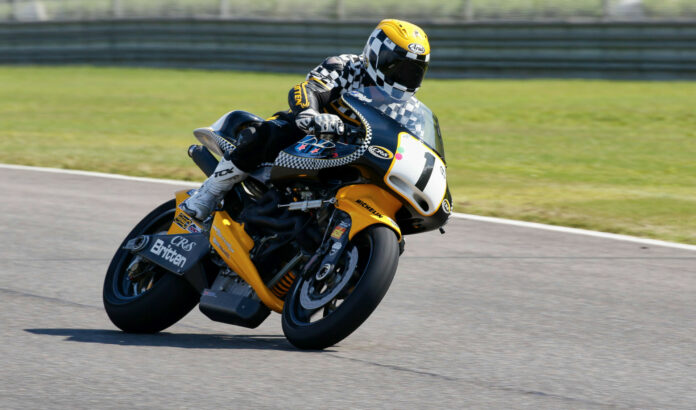
Stephen Briggs (1) riding Bob Robbins' Britten V1000 at the Barber Vintage Festival at Barber Motorsports Park in 2015. Photo by etechphoto.com, courtesy AHRMA.
ELORA, TN – A battle-tested icon will be seen and heard at the American Historic Racing Motorcycle Association (AHRMA) event at New Jersey Motorsports Park (NJMP) June 16-19.
New Zealander Stephen Briggs will be doing laps on Bob Robbins’ Britten V1000.
“I am very lucky to have made great friends with (Briggs) after I acquired the bike, he rode to second place in the World Bears championship in 1995,” Robbins said. “I was able to reunite him with the bike in 2014.”
Robbins explained that the CR & S Britten was the first customer produced bike for Roberto Crepaldi of Café Racers & Superbikes (CR & S) and loaned to the factory from new for their racing efforts.
Known as P001 for the first production bike after three factory bikes, it has been rebuilt twice since 2014 including updating new components such as rods, pistons, and bearings.
“The engine cases and most components are original from 1994 and saw many thousands of World-level race miles in its day including the Isle of Man Senior TT in 1996 with Shaun Harris,” Robbins said. “Many parts have been replaced or reproduced to keep it running well.”
Some upgrades, including a Motec electronic system, have been added to preserve the original components in working condition and add some fail-safe features.
The engine has been slightly de-tuned by lowering the RPM limit. “In the day, these bikes were revved as high as 12,500 RPM at times and made 165 HP at the wheel,” Robbins said.
“The black and yellow color scheme was based on the CR & S racing team colors,” Robbins said. “After a successful history of racing at the World Championship level, it was retired and rebuilt after 1997 and put on display.”
The motorcycle had not been run for many years following. Robbins purchased the Britten in 2014 and it underwent a complete tear-down and refresh with the intention of using the bike for demonstration laps at racetracks.
Briggs has been on board the bike at several events since 2014, including the Pukekohe Park, Hampton Downs Classics events, and the Ruapuna New Zealand BEARS and John Britten 20th anniversary BEARS events in New Zealand during 2015. Continuing its tour in 2015 in the United States, the bike was on track at NJMP and was one of ten V1000’s in attendance and was one of the five on track at The Barber Vintage Festival. During 2016, it turned laps at the Ducati Club Race Assen. During 2017 the V1000 was at the AHRMA national at Road America, and the Isle Of Man Lap of Honor 2017. More recently, it was back at the 2019 Pukekohe New Zealand Classic, Burt Munro Challenge Invercargill New Zealand, and AHRMA’s Road America event.
More information about the AHRMA event at NJMP is at www.ahrma.org
About AHRMA
The American Historic Racing Motorcycle Association is a member-owned nonprofit organization dedicated to enhancing the sport of historic motorcycle racing. Since 1989, AHRMA has provided an appropriate environment to showcase vintage and alternative modern racing motorcycles in the disciplines of road racing, motocross, dirt track, trials, and cross country. With more than 3,300 members, AHRMA is the largest vintage racing group in North America and is one of the world’s leading vintage motorcycle organizations.
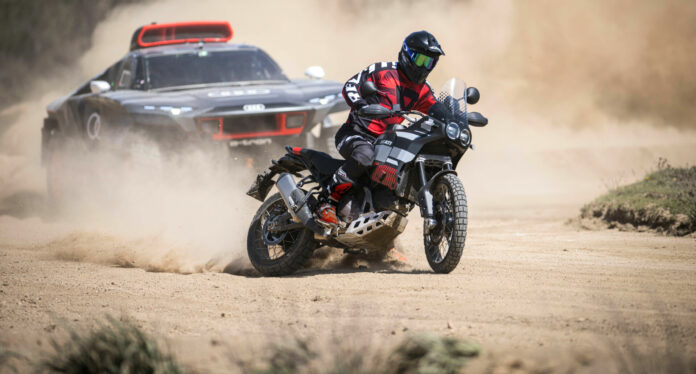
MotoAmerica Superbike racer Danilo Petrucci demonstrates the capabilities of the new Ducati DesertX ahead of an Audi RS Q e-tron prototype rally racer on the Italian island of Sardinia. Photo courtesy Ducati.
Ducati and Audi together in Sardinia with DesertX and RS Q e-tron for a special event
International debut for DesertX and RS Q e-tron, together in off-road with Danilo Petrucci and the official Audi drivers including Stéphane Peterhansel and Carlos Sainz
To celebrate this partnership, the Centro Stile Ducati has created a special livery for the DesertX inspired by that of the Audi RS Q e-tron
The new DesertX will be available in European dealerships starting from the end of May, also in a depowered version for A2 license holders
Olbia / Borgo Panigale, Bologna (Italy), 4 May 2022 – The most highly anticipated motorcycle of 2022 and the most surprising rally prototype met in Sardinia for a special event organized in partnership by Ducati and Audi. The new Ducati DesertX and the Audi RS Q e-tron took centre-stage in the first test reserved for the international media, which could also count on the presence of Danilo Petrucci, winner of a stage of the Dakar 2022, and the official Audi drivers/co-drivers Emil Bergkvist, Stéphane Peterhansel, Edouard Boulanger, Carlos Sainz and Lucas Cruz.
To celebrate this event, the Centro Stile Ducati has created an exclusive livery for the DesertX inspired by that of the RS Q e-tron. This special bike was ridden by Petrucci, who put on a show together with the Sainz/Cruz pairing on a technical off-road track.
Andrea Ferraresi, Centro Stile Ducati Director: “When we saw the RS Q e-tron for the first time, we couldn’t help but imagine it in action among the dunes and rocks together with the DesertX. This event gave us the opportunity to do so and so we decided to create an exclusive livery, inspired by the colours and graphics of the Audi prototype. Seeing cars and motorcycles together off-road is truly a great show. The collaboration between the two brands and between their respective Design Centers is strong and important”.
The DesertX is the model with which the Borgo Panigale motorcycle manufacturer enters the mid-displacement enduro segment. The bike is designed to tackle the most demanding off-road and for this reason it is equipped with a 21″ front wheel, 18″ rear wheel, long suspension travel and ample ground clearance. Powered by the 11° Testastretta engine , DesertX guarantees a comfortable, easy and safe ride on every type of journey thanks to the attention paid to ergonomics, careful aerodynamic study and advanced technological equipment.
The safety and performance of the new Ducati model are also guaranteed by the electronic systems, which represent the state of the art in terms of riding assistance. There are 6 Riding Modes available on DesertX (two of which are intended for off-road use: Enduro and Rally), and they work in combination with the 4 Power Modes that modify the power and responsiveness of the engine.
The RS Q e-tron is Audi’s rally prototype to tackle the desert and embodies the purest efficiency. The innovative electric drive with high voltage batteries and energy converter pushes the limits of what is possible. The RS Q e-tron made its debut in the 2022 Dakar Rally last January and impressed with four stage victories, while in March it achieved his first overall victory at the Abu Dhabi Desert Challenge. Audi factory driver driver Carlos Sainz underlined the importance of the model for the motorsport program of the German manufacturer: “What Audi has achieved with this concept is technically unique and a real benefit for us drivers. The event in Sardinia was great to communicate the benefits of the electric drive. All the media were impressed throughout”.
Sainz, Petrucci and all the Audi drivers were greeted enthusiastically by the press during this event which confirmed the great bond and constant collaboration between Ducati and Audi.
The new DesertX, which since its presentation has met with remarkable success, will be available in all European dealerships in the Ducati network from the end of May. The new model is also available in a 35kW depowered version for A2 license holders.
The time has come for bikers to make their wildest travel dreams come true.
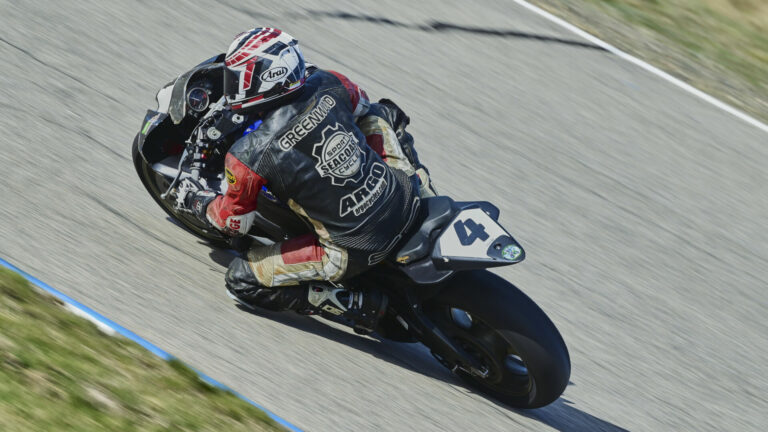
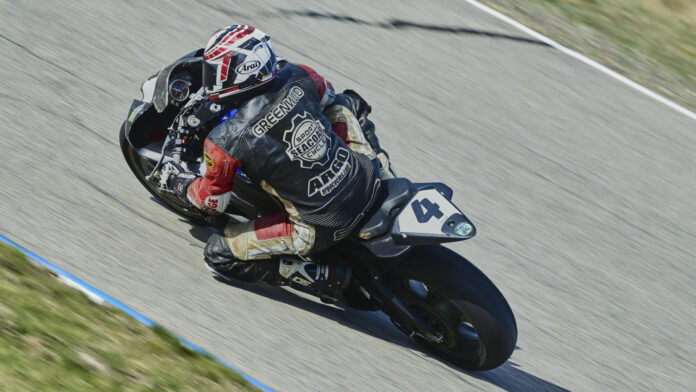
Scott Greenwood (4). Photo by Martin Hanlon, courtesy NEMRR.
2022 NEMRR Round One Wrap-Up
The NorthEast Motorcycle Road Racing (NEMRR) series round one was held under blustery cold conditions for much of the weekend of April 30-May 1 at the freshly improved New Hampshire Motor Speedway (NHMS). The sun came out on Sunday afternoon and gave riders the opportunity to experience the revitalized racetrack surface at full pace for the first time.
NEMRR president John Grush worked with the staff at NHMS over the off season and coordinated a plan to make some significant improvements to the track in several areas. Together with several NEMRR veteran riders, Grush helped NHMS to use the budget to the fullest and the crew smoothed out critical bumps in Turn 1, Turn 8, two places in Turn 10, Turn 11 and Turn 12. The feedback from the paddock was universally positive. The track is safer and more enjoyable to ride and the series may see faster lap times as the series holds its next few events.
While practice times were off due to the cold and windy conditions on Saturday morning, there was a mix of familiar faces and some new winners as the sun came out and the races unfolded during the day.
NEMRR #1 plate holder Rick Doucette led off the weekend in the GTL by #74 class with a win on his Plaistow Powersports Yamaha R5 over a hard-charging Eli Block on his Built by Block motard bike.
A special congratulations went out to 18-year-old Renee Franco on her Penguin Racing Ninja 400 as she scored her first ever Expert class victory over Souhegan Valley Motorsports’ Shane Lewis in the FirstTrax GT500 Class.
Renee Franco (194). Photo by Martin Hanlon, courtesy NEMRR.
Perennial NEMRR champion Scott Greenwood dominated the Adrenaline Performance GTO and Dunlop Tires GTU classes on his Argo Cycles Yamaha R6, running times in the low 1:13 range in spite of the sub-50 degree temperatures!
The feature Saturday was again the Michelin Motorace $1500 challenge, which features many of the strongest riders in NEMRR on the popular middleweight class machines. This was an all-Yamaha affair at the front as 2021 Champion Greenwood grabbed the holeshot and used a steady stream of 1:13 laps to separate himself form the field. The real battle was between veteran riders Rick Doucette and Tony’s Track Days’ Paul Duval. Duval got the jump off the line but Doucette got aggressive early and took over the second spot for a few laps. Duval struck back as the two approached the halfway point and ran some defensive lines on the final lap to secure his runner-up position.
2022 also marked the launch of a new era of lightweight class racing with NEMRR with the advent of the Dunlop Talent Cup. Corey Maynard, Tony Romo and Chad Geer of Dunlop Tires were all in attendance to show their support of this new class, which was designed to support young riders on MotoAmerica Junior Cup-level machinery. Dunlop is offering both special weekend Dunlop contingency awarded to the top 5 Dunlop finishers and championship bonus cash at the end of the year.
NEMRR and Dunlop are excited to provide this opportunity for these promising young riders, and the series is excited to continue to have more riders follow in the footsteps of successful NEMRR riders like Ben Gloddy, Teagg Hobbs, and Eli Block at the MotoAmerica level.
Renee Franco continued her breakout weekend by grabbing the early lead and making her way though traffic with confidence as the race progressed. She was followed by her Penguin Racing teammate Brianna McHugh and Shane Lewis to round out the podium.
NEMRR Round 2 is May 21-22 and the 99th running of the Loudon Classic is June 18-19.
For more information on NEMRR event visit www.nemrr.com
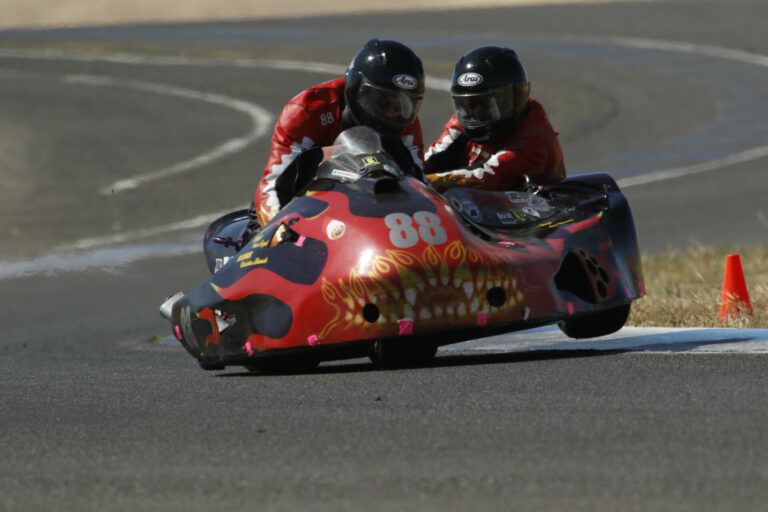
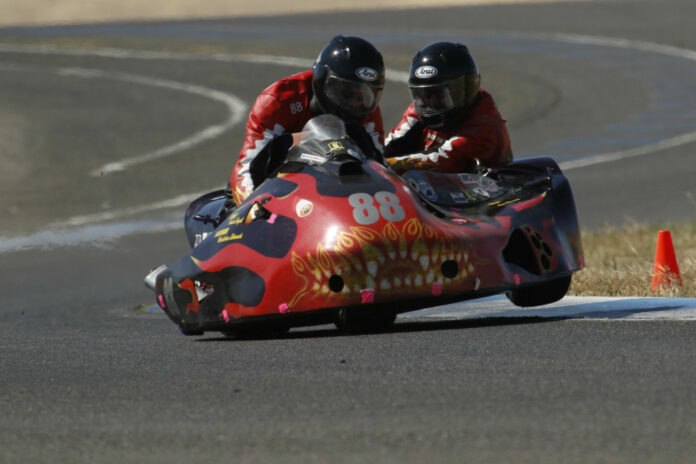
Wade Boyd (88) and passenger Eric Lindauer at speed on their sidecar rig during the AHRMA event at Thunderhill Raceway Park. Photo by Oxymoron Photography, courtesy AHRMA.
Editorial Note: Use the scroll and zoom tools in the bottom left corner of the PDF viewer to better see all pages of the race results.
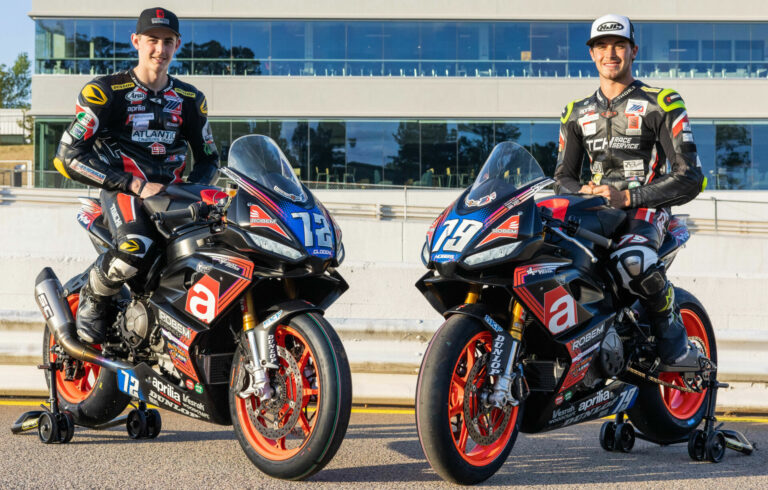
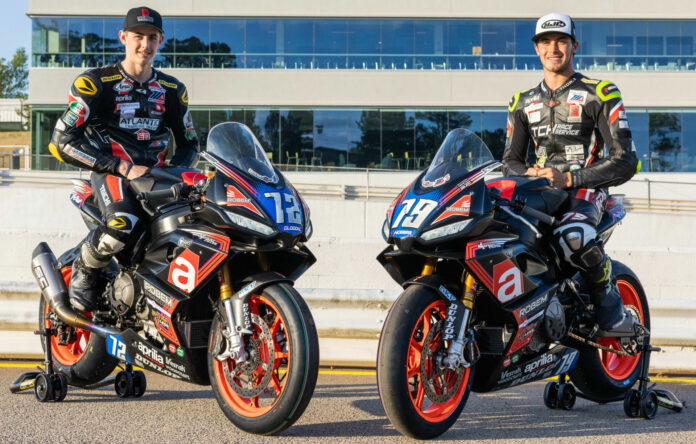
Robem Engineering's MotoAmerica Twins Cup racers Ben Gloddy (left) and Teagg Hobbs (right) are two of four Americans racing in the Aprilia RS 660 Trofeo this coming weekend at the Vallelunga Circuit, in Italy. Photo by Sara Chappell Photos, courtesy Robem Engineering.
First round of the Aprilia Racing RS 660 Trofeo, May 6-8 at Valleunga, Italy
The Aprilia Racing RS 660 Trofeo kicks off the 2022 season with the first round May 6-8 at the Vallelunga Circuit, Campagnano di Roma, Italy, in conjunction with the Italian CIV Championship.
In a partnership between BK Corse and Robem Engineering, Robem Engineering MotoAmerica Twins Cup riders Ben Gloddy and Teagg Hobbs will compete against the European competition, as well as fellow Americans Max Toth and Kaleb De Keyrel.
The Aprilia RS 660 Trofeo allows riders to showcase their individual talent on equivalent machinery, identically prepared by Aprilia Racing.
With its arrival in the MotoAmerica Twins Cup series, the Aprilia RS 660 has shown its capability to elevate the competition, proving victorious in the 2021 championship. With the RS 660 Trofeo, Aprilia Racing extends its collaboration with the US to create opportunities for its most talented riders.
The live timing and streaming links can be found here: https://www.civ.tv
Robem Engineering’s partners for 2022 include Aprilia Racing, Piaggio Group Americas, BK Corse, Synchrony, The Center for Plastic Surgery, Velocity Calibrations, Bitubo Suspension, Woodcraft Technologies, Dymag, Vesrah, Sprint Filter, DID, Magura USA, Sara Chappell Photos, NGK/NTK, Blud Lubricants, Millennium Technologies, Motovation USA and SC-Project.
A “press release” is promotional text issued by a rider, team, company or organization to inform
the public about an event, product, or service from the issuer’s own point of view, and if deemed
to have news value, may be placed on roadracingworld.com as a service to our readers.
A press release is not an article written by Roadracingworld.com staffers. When a post is labeled with the words “press release”, it means that Roadracingworld.com is not responsible for its content and that Roadracingworld.com makes no guarantee that it is accurate. Not all press releases are posted and Roadracingworld.com may reject press releases if the content is too heavy on commercial promotion with little or no news value or if the press release contains obvious errors.
Accessibility
Accessibility modes
Epilepsy Safe Mode
Dampens color and removes blinks
This mode enables people with epilepsy to use the website safely by eliminating the risk of seizures that result from flashing or blinking animations and risky color combinations.
Visually Impaired Mode
Improves website's visuals
This mode adjusts the website for the convenience of users with visual impairments such as Degrading Eyesight, Tunnel Vision, Cataract, Glaucoma, and others.
Cognitive Disability Mode
Helps to focus on specific content
This mode provides different assistive options to help users with cognitive impairments such as Dyslexia, Autism, CVA, and others, to focus on the essential elements of the website more easily.
ADHD Friendly Mode
Reduces distractions and improve focus
This mode helps users with ADHD and Neurodevelopmental disorders to read, browse, and focus on the main website elements more easily while significantly reducing distractions.
Blindness Mode
Allows using the site with your screen-reader
This mode configures the website to be compatible with screen-readers such as JAWS, NVDA, VoiceOver, and TalkBack. A screen-reader is software for blind users that is installed on a computer and smartphone, and websites must be compatible with it.
Online Dictionary
Readable Experience
Content Scaling
Default
Text Magnifier
Readable Font
Dyslexia Friendly
Highlight Titles
Highlight Links
Font Sizing
Default
Line Height
Default
Letter Spacing
Default
Left Aligned
Center Aligned
Right Aligned
Visually Pleasing Experience
Dark Contrast
Light Contrast
Monochrome
High Contrast
High Saturation
Low Saturation
Adjust Text Colors
Adjust Title Colors
Adjust Background Colors
Easy Orientation
Mute Sounds
Hide Images
Hide Emoji
Reading Guide
Stop Animations
Reading Mask
Highlight Hover
Highlight Focus
Big Dark Cursor
Big Light Cursor
Cognitive Reading
Virtual Keyboard
Navigation Keys
Voice Navigation
Accessibility Statement
www.roadracingworld.com
November 16, 2026
Compliance status
We firmly believe that the internet should be available and accessible to anyone, and are committed to providing a website that is accessible to the widest possible audience,
regardless of circumstance and ability.
To fulfill this, we aim to adhere as strictly as possible to the World Wide Web Consortium’s (W3C) Web Content Accessibility Guidelines 2.1 (WCAG 2.1) at the AA level.
These guidelines explain how to make web content accessible to people with a wide array of disabilities. Complying with those guidelines helps us ensure that the website is accessible
to all people: blind people, people with motor impairments, visual impairment, cognitive disabilities, and more.
This website utilizes various technologies that are meant to make it as accessible as possible at all times. We utilize an accessibility interface that allows persons with specific
disabilities to adjust the website’s UI (user interface) and design it to their personal needs.
Additionally, the website utilizes an AI-based application that runs in the background and optimizes its accessibility level constantly. This application remediates the website’s HTML,
adapts Its functionality and behavior for screen-readers used by the blind users, and for keyboard functions used by individuals with motor impairments.
If you’ve found a malfunction or have ideas for improvement, we’ll be happy to hear from you. You can reach out to the website’s operators by using the following email
Screen-reader and keyboard navigation
Our website implements the ARIA attributes (Accessible Rich Internet Applications) technique, alongside various different behavioral changes, to ensure blind users visiting with
screen-readers are able to read, comprehend, and enjoy the website’s functions. As soon as a user with a screen-reader enters your site, they immediately receive
a prompt to enter the Screen-Reader Profile so they can browse and operate your site effectively. Here’s how our website covers some of the most important screen-reader requirements,
alongside console screenshots of code examples:
Screen-reader optimization: we run a background process that learns the website’s components from top to bottom, to ensure ongoing compliance even when updating the website.
In this process, we provide screen-readers with meaningful data using the ARIA set of attributes. For example, we provide accurate form labels;
descriptions for actionable icons (social media icons, search icons, cart icons, etc.); validation guidance for form inputs; element roles such as buttons, menus, modal dialogues (popups),
and others. Additionally, the background process scans all the website’s images and provides an accurate and meaningful image-object-recognition-based description as an ALT (alternate text) tag
for images that are not described. It will also extract texts that are embedded within the image, using an OCR (optical character recognition) technology.
To turn on screen-reader adjustments at any time, users need only to press the Alt+1 keyboard combination. Screen-reader users also get automatic announcements to turn the Screen-reader mode on
as soon as they enter the website.
These adjustments are compatible with all popular screen readers, including JAWS and NVDA.
Keyboard navigation optimization: The background process also adjusts the website’s HTML, and adds various behaviors using JavaScript code to make the website operable by the keyboard. This includes the ability to navigate the website using the Tab and Shift+Tab keys, operate dropdowns with the arrow keys, close them with Esc, trigger buttons and links using the Enter key, navigate between radio and checkbox elements using the arrow keys, and fill them in with the Spacebar or Enter key.Additionally, keyboard users will find quick-navigation and content-skip menus, available at any time by clicking Alt+1, or as the first elements of the site while navigating with the keyboard. The background process also handles triggered popups by moving the keyboard focus towards them as soon as they appear, and not allow the focus drift outside it.
Users can also use shortcuts such as “M” (menus), “H” (headings), “F” (forms), “B” (buttons), and “G” (graphics) to jump to specific elements.
Disability profiles supported in our website
Epilepsy Safe Mode: this profile enables people with epilepsy to use the website safely by eliminating the risk of seizures that result from flashing or blinking animations and risky color combinations.
Visually Impaired Mode: this mode adjusts the website for the convenience of users with visual impairments such as Degrading Eyesight, Tunnel Vision, Cataract, Glaucoma, and others.
Cognitive Disability Mode: this mode provides different assistive options to help users with cognitive impairments such as Dyslexia, Autism, CVA, and others, to focus on the essential elements of the website more easily.
ADHD Friendly Mode: this mode helps users with ADHD and Neurodevelopmental disorders to read, browse, and focus on the main website elements more easily while significantly reducing distractions.
Blindness Mode: this mode configures the website to be compatible with screen-readers such as JAWS, NVDA, VoiceOver, and TalkBack. A screen-reader is software for blind users that is installed on a computer and smartphone, and websites must be compatible with it.
Keyboard Navigation Profile (Motor-Impaired): this profile enables motor-impaired persons to operate the website using the keyboard Tab, Shift+Tab, and the Enter keys. Users can also use shortcuts such as “M” (menus), “H” (headings), “F” (forms), “B” (buttons), and “G” (graphics) to jump to specific elements.
Additional UI, design, and readability adjustments
Font adjustments – users, can increase and decrease its size, change its family (type), adjust the spacing, alignment, line height, and more.
Color adjustments – users can select various color contrast profiles such as light, dark, inverted, and monochrome. Additionally, users can swap color schemes of titles, texts, and backgrounds, with over seven different coloring options.
Animations – person with epilepsy can stop all running animations with the click of a button. Animations controlled by the interface include videos, GIFs, and CSS flashing transitions.
Content highlighting – users can choose to emphasize important elements such as links and titles. They can also choose to highlight focused or hovered elements only.
Audio muting – users with hearing devices may experience headaches or other issues due to automatic audio playing. This option lets users mute the entire website instantly.
Cognitive disorders – we utilize a search engine that is linked to Wikipedia and Wiktionary, allowing people with cognitive disorders to decipher meanings of phrases, initials, slang, and others.
Additional functions – we provide users the option to change cursor color and size, use a printing mode, enable a virtual keyboard, and many other functions.
Browser and assistive technology compatibility
We aim to support the widest array of browsers and assistive technologies as possible, so our users can choose the best fitting tools for them, with as few limitations as possible. Therefore, we have worked very hard to be able to support all major systems that comprise over 95% of the user market share including Google Chrome, Mozilla Firefox, Apple Safari, Opera and Microsoft Edge, JAWS and NVDA (screen readers).
Notes, comments, and feedback
Despite our very best efforts to allow anybody to adjust the website to their needs. There may still be pages or sections that are not fully accessible, are in the process of becoming accessible, or are lacking an adequate technological solution to make them accessible. Still, we are continually improving our accessibility, adding, updating and improving its options and features, and developing and adopting new technologies. All this is meant to reach the optimal level of accessibility, following technological advancements. For any assistance, please reach out to