

MotoAmerica Quad Lock Superbike 2026 In Review:
Championships Are Won By Preparing For The Bad Days
By Michael Gougis
First Person/Opinion:
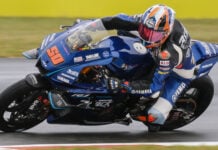
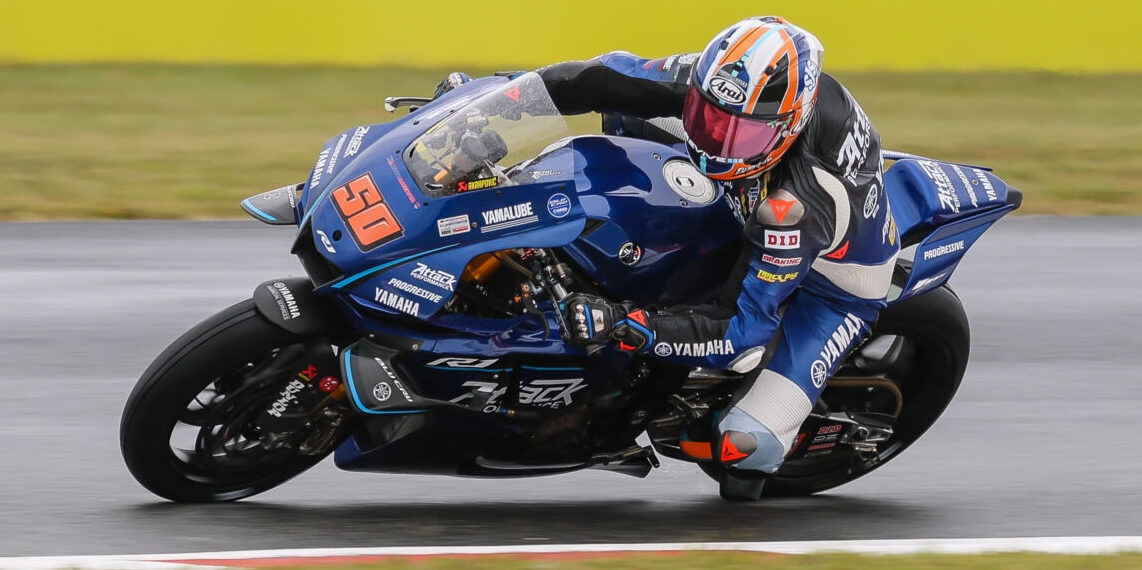
If you want to know why Bobby Fong is the 2026 MotoAmerica Quad Lock Superbike Champion (and only one mistake away from being a two-time and defending Champion), look at the lap charts from Qualifying One at Road America in 2025.
The track was soaked. There was no rain in the forecast for the rest of the weekend. No one went out for the session, really. Nothing to gain, a lot to lose. Sean Dylan Kelly did a trio of slow laps. A couple of backmarkers went out to play in the rain.
No one, that is, except for Fong. He pounded in 10 laps around the long 4.0-mile circuit. And when I asked him why he did it, he said he wanted to learn the bike, learn how to work with his crew under those conditions, and to learn to ride better in the rain.
Go back a few months earlier, and I am interviewing Fong about his new ride with Attack Performance Progressive Yamaha. We’re talking about his training routine, and he says that the majority of his training is simply riding motocross. Fong wanted experience in seeking the edge of traction, how to find it and manage what the bike is doing under those circumstances and to extract the most speed he could find in that instance. And on a motocross track, Fong says, the surface changes every lap, every corner. It’s an intense learning curve, like a summer college class where a full semester’s worth of work is crammed into five weeks.
Championships, they say, are won on the bad days. And the days when everything is perfect are far outnumbered by the days when they are not. There were other riders who were as fast as Fong, and sometimes a lot faster. But when the track surface got sketchy – wet, dry or damp – most of the time Fong simply did a better job of getting the most out of those conditions.
Attack played its part as well. Helpful to winning in MotoAmerica competition is: A) a worldwide network of people racing the bike who are sharing information and B) knowledge of how to get the spec Dunlops to work on your bike. Yamaha races the R1 around the globe, so there’s a wealth of data to tap into. Just to illustrate, a few years ago, I was driving across Germany with a technician who provides trackside support for the alpha Racing BMWs that are raced worldwide. He said, one of the things that we offer the teams who buy our bikes is this: If you have a question, there’s someone else running one of these bikes who has had the same question. Call us and we’ll give you an answer. Yamaha’s racing DNA pays off in ways that go largely unseen to the casual spectator; there’s a wealth of data available for anyone racing an R1 because many, many teams race this bike.
Attack’s Richard Stanboli probably knows the current YZF-R1 as well as any tuner/builder on the planet. The platform’s age means there are few secrets left. And Attack has loads of experience in optimizing it for a wide range of track conditions on the spec Dunlop tires. Again, maybe not the fastest machine under ideal conditions, but Attack’s ability to get it as good as it can get on race day when things aren’t ideal is a huge advantage. The fact that JD Beach and Mathew Scholtz also won on Attack-built R1s is testament to that; each had a good machine performing at its best.
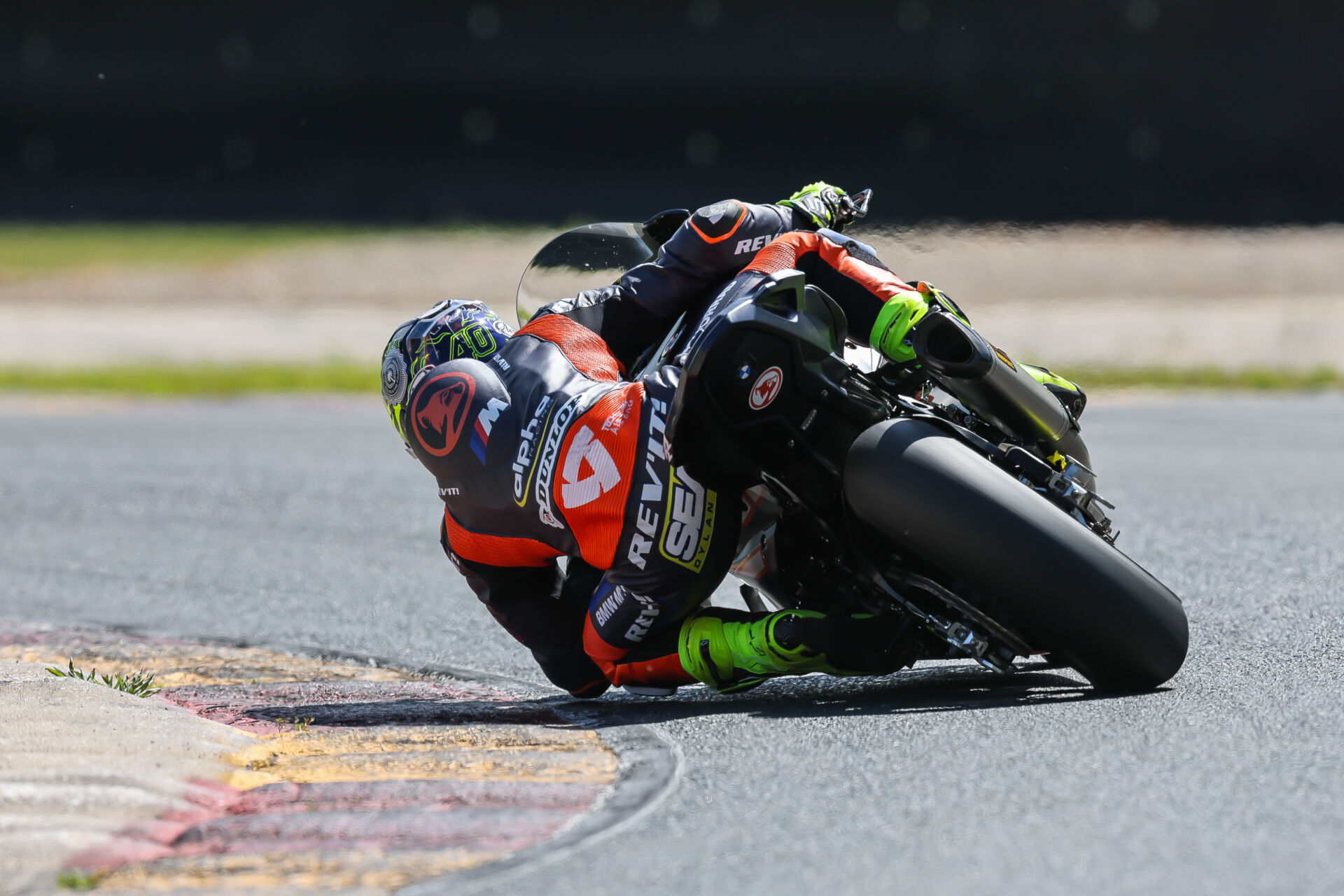
The biggest surprise, to me, was watching Kelly lead the Championship right up to the final race. There’s no questioning Kelly’s skills. You don’t come back from years in the Moto2 World Championship slower. But it was his first season with the OrangeCat team, and it was the team’s first full season with its Superbike-spec alpha Racing BMW M 1000 RR. While it had that bank of alpha Racing knowledge to tap into, OrangeCat still had to execute trackside. And while the team was experienced, having won the last Stock 1000 title easily with the M 1000 RR, stepping up to Superbike is always a challenge. The most competitive class always poses questions that you learn to answer over years of trying, failing and succeeding.
So as skilled as the OrangeCat crew is, I expected Kelly to win races, but I didn’t expect to see him fighting for the title. It bodes well for Kelly in 2027, when he will be back with bike-specific track knowledge for each of MotoAmerica’s circuits. And the well-funded OrangeCat team’s determination to win is unquestionable. Only one rider beat them to the title in 2026. That was Fong. So OrangeCat simply went out and hired him for 2027.
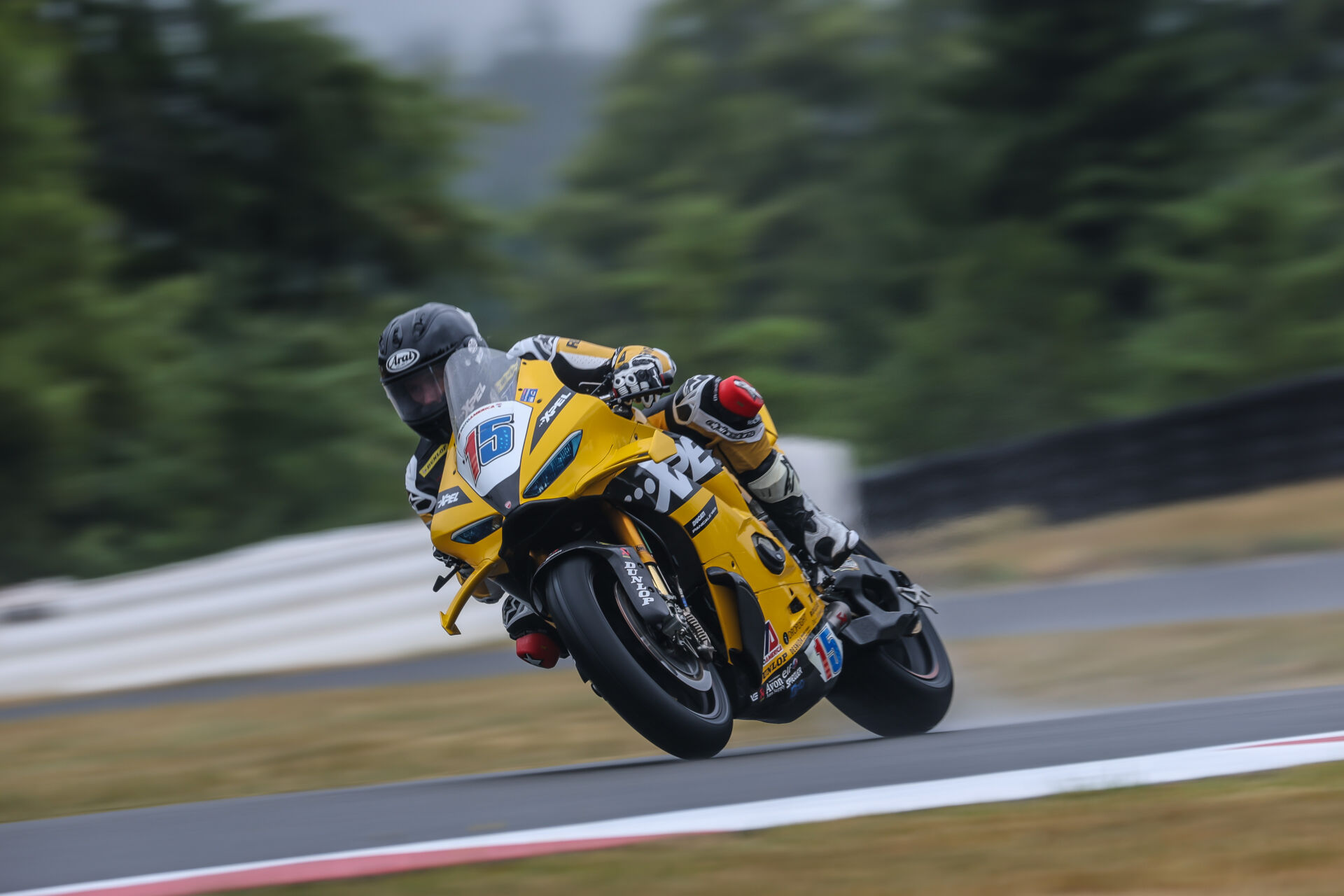
If OrangeCat and Kelly overachieved, in my view, in 2026, the biggest underachievers this season were the riders on the new Ducati V4 R racebikes. On paper, 2026 should have seen the Panigales run away with everything. You don’t just go buy one of these bikes. You apply for the privilege of racing one. Ducati vets your team to determine whether they think you can win before they’ll sell you one, no matter how much money you have. The bikes come from a factory that builds nothing but racebikes, and they are as trick as the rule book allows.
Again, a few years back, I was interviewing the crew chief of a team that was racing Panigales in the Endurance World Championship series. The team bought machines straight from Ducati’s racebike factory and then modified them for endurance racing. One of the modifications they had to make was to swap out the forks. The Superbike-spec Ohlins forks were so precisely tuned for flex and so lightweight that the endurance team didn’t trust them not to crumple in a crash. In their mind, the Ohlins forks that came on the full Superbikes were like a racer’s helmet: Good for one crash. The point is this: A factory-built Panigale is one finely-honed racebike, built right to the edge of the rules and refined to get every last bit of performance from the machines.
And there’s no shortage of information on how to set up one of these bikes, either. Ducati won every Superbike World Championship race this year and took every pole and the vast majority of the podiums, and did so with seven different riders. It’s clear that the bikes are fast and there’s knowledge available about how to get the most out of them.
Now, to be fair, there were injuries and other setbacks that were not the fault of those riders at all. Cameron Beaubier’s fall at Road America should not have sidelined him for half a season. Benjamin Smith’s scary crash at the same track was due to a part flying off of another machine and locking his front wheel at more than 180 miles an hour. There was no shortage of bad luck plaguing the Ducati contingent.
But there were a lot of crashes, and the Ducatis frequently seemed to bite their riders unexpectedly. My theory is this: MotoAmerica is the only series in the world that uses the spec Dunlop tire. Every other racing Ducati is on Pirelli or in a series that has open tire competition. And a modern racebike is optimized around its tires. Rahal, Warhorse HSBK – they were basically on their own in trying to get new-for-2026 Panigales to work on the spec Dunlops. Not only was the Panigale V4 R this year brand new, weather conspired to limit the pre-season testing for the teams learning the new bike. In contrast, Attack, Strack, OrangeCat were all racing on basic platforms they knew and had raced on with Dunlops in the past. They started ahead of the teams running the new Ducati and basically stayed ahead.
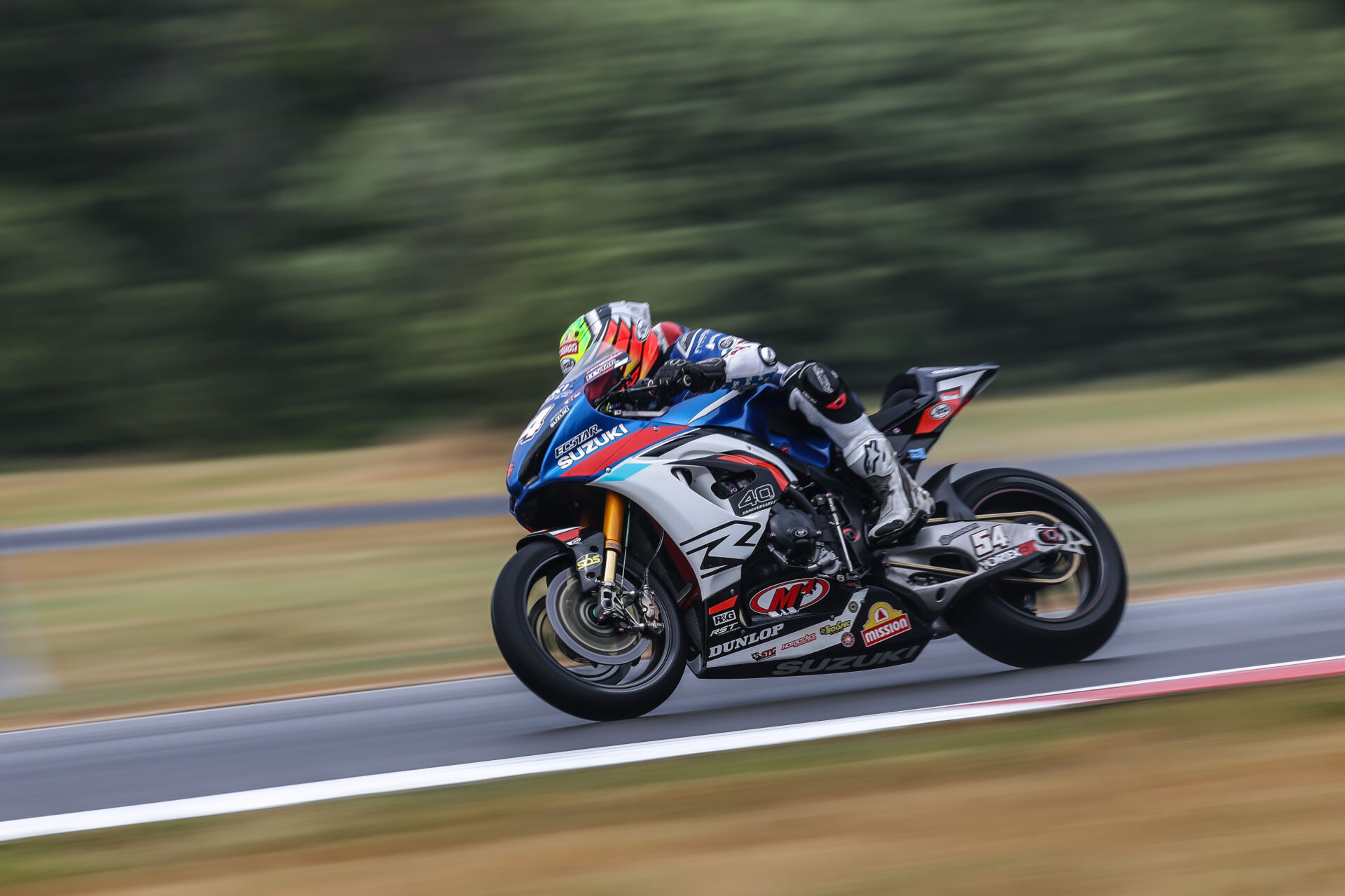
In a way, the Team Hammer squad was in the same position as the Ducati teams trying to sort out Dunlops on their own. The Suzuki GSX-R1000R is a known quantity, but it’s the oldest bike in the field, and Suzuki isn’t racing MotoGP, World Superbike, or even competitively at the factory level in high-profile National series like British Superbike. Even in Japan, the best-placed Suzuki rider in Superbike was barely in the top 10. Other than the evergreen Yoshimura SERT squad in the FIM Endurance World Championship, Team Hammer is the only team, really, making the GSX-R a better, faster racebike, and it is largely on its own. Respect for what it accomplishes in that situation, and Richie Escalante’s podium at The Ridge was hard-earned and well deserved.
And respect to Fong. As a racer sets up a pass three turns before it happens, he built this title over the past several years, and he came back from a bitter disappointment last season to hold his nerve until the very end this year. He earned this one.
It will be interesting to see what the Ducati teams can do next year with a season of Dunlop experience on the new bikes and with a fully healthy Beaubier, 2026 Supersport Champion Darryn Binder and former Superbike Champion Josh Herrin aboard.
Roll on, 2027.