



- Why We Dug Up 30 Years of Dirt to Rebuild Thunderhill.
When you’re on the track at Thunderhill East, you’re not just driving on asphalt. You’re driving on a foundation that took 18 months to engineer and—in some spots—an entire foot of excavation to get right.
Most people don’t think about what’s underneath a racetrack. Dirt is dirt, right? Not even close.
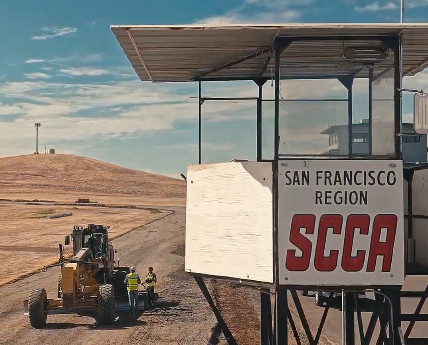
THE WATERBED PROBLEM
CEO Matt Busby discovered something unsettling during geotechnical testing: certain areas of the track had basically become waterbeds. He could walk out onto turn 14, feel the ground moving beneath his feet, and know immediately that $10 million worth of new asphalt was about to get built on a foundation that couldn’t support it.
“We haven’t touched the sub-base since 1989, 1990,” Busby explains. “Over 30 years, NorCal experienced a five-year drought that dried everything out, then swung back to a year with heavy groundwater. Different soils retain moisture at different rates. You end up with parts of the track that are wet all the time and parts that are dry. One sinks, the other moves. That’s not sustainable.”
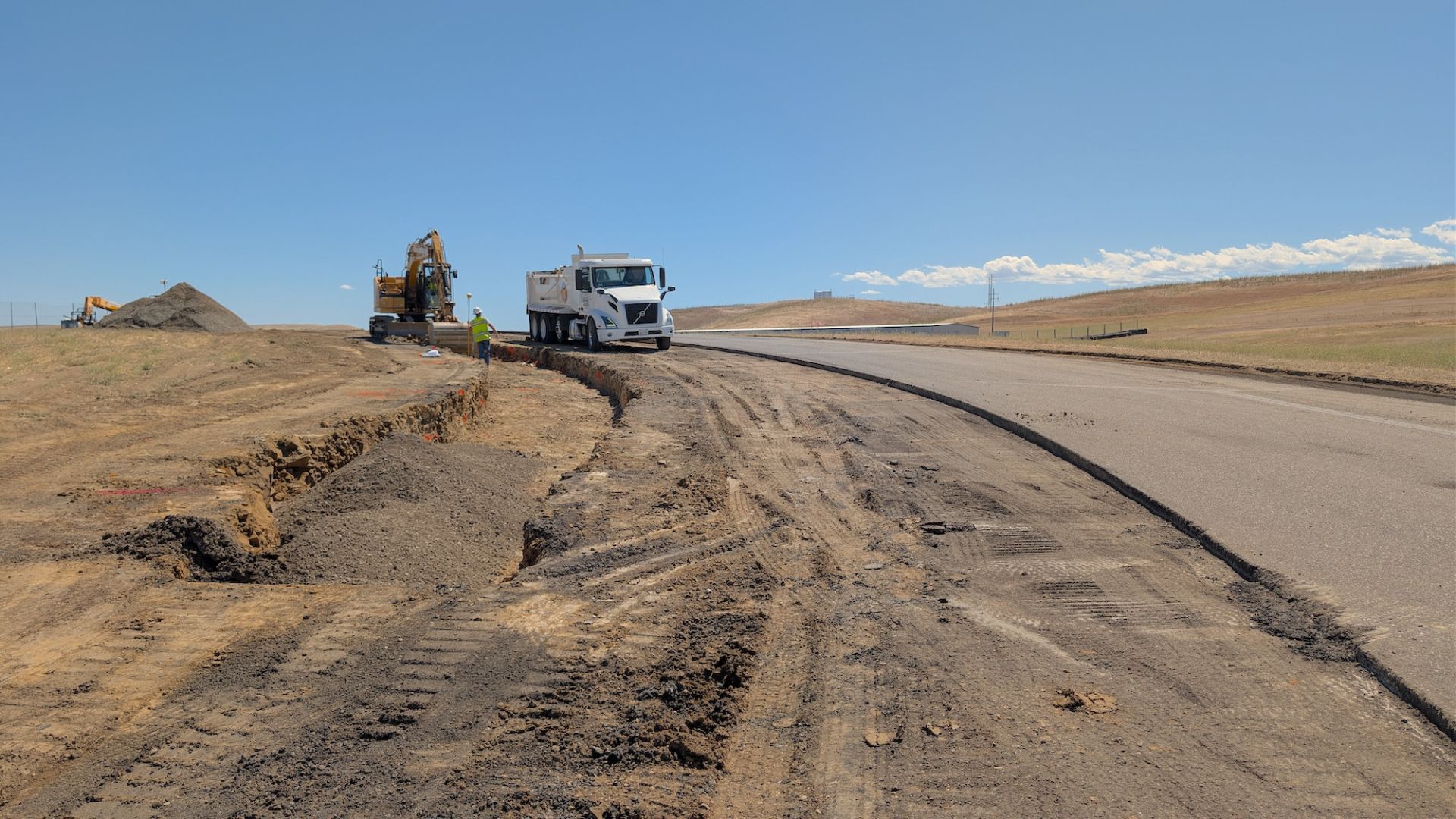
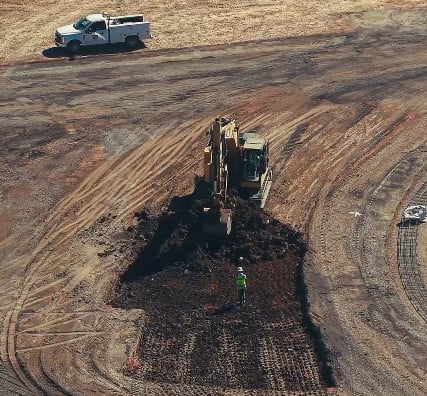
The solution? Till up a foot of soil and inject cement-lime treatment to stiffen the entire sub-base. It pushed the project past budget, but skipping it would have meant watching a fresh racetrack develop cracks and movement within months.
BUILDING LIKE AN AIRPORT, BUT BETTER.
Paving a racetrack isn’t like paving a road. Thunderhill’s specifications are tighter than the FAA’s.
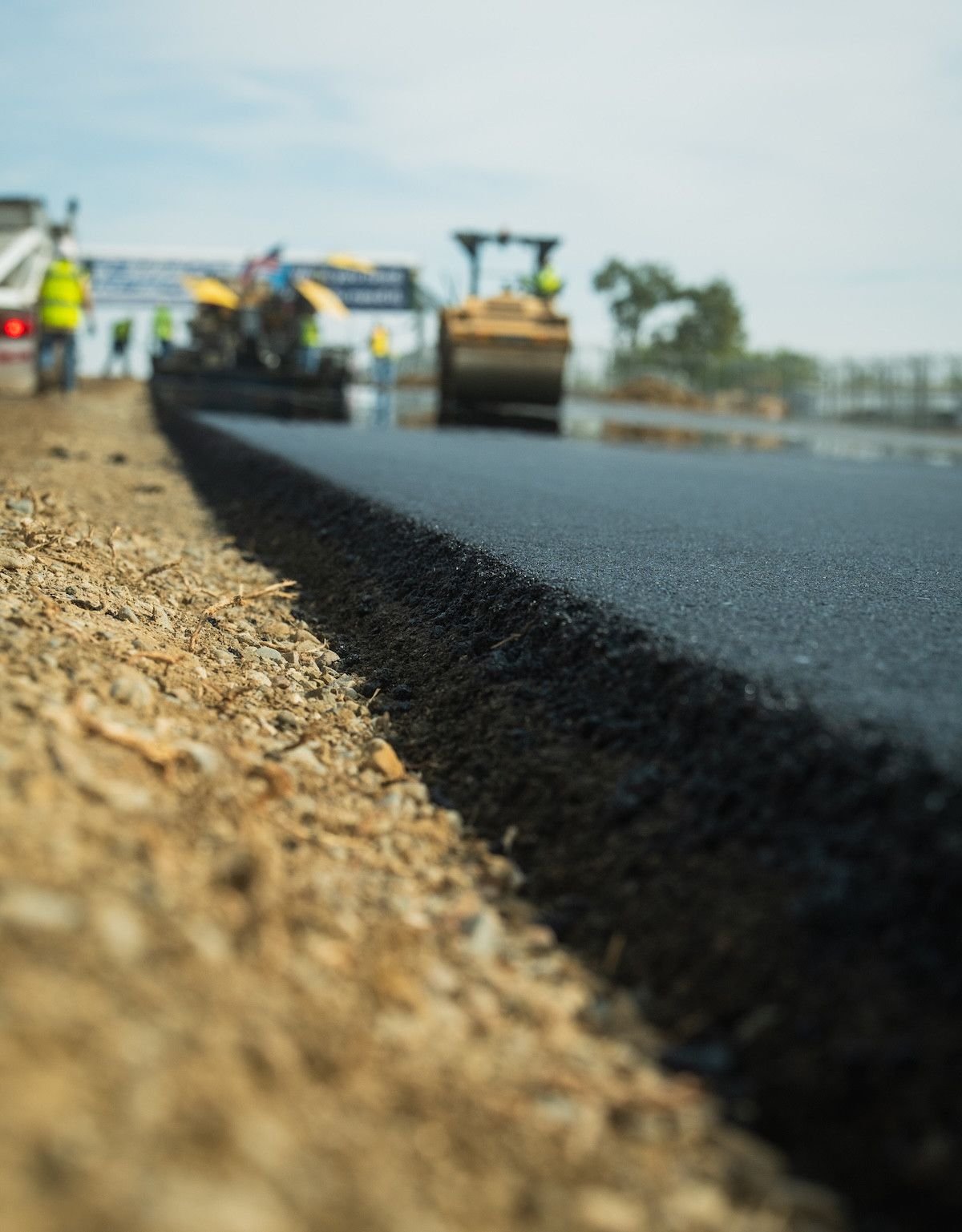
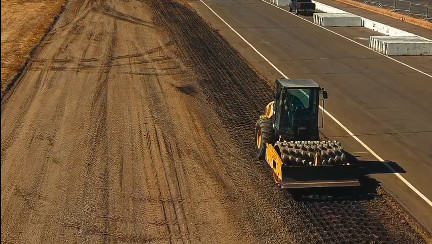
The track is built in three lifts: a two-inch base layer designed to absorb ground movement, a 1.5-inch leveling layer, and a 1.5-inch wearing surface engineered for shear load. Each lift uses a different asphalt mix tuned for its specific job. The binder alone—the sticky stuff that holds the rock together—costs $1,000 per ton.
And there’s an eighth-inch tolerance requirement across 250 feet. Think about that: if you’re off by the thickness of a sheet of paper over a quarter of a football field, it shows up everywhere. Every bump gets transferred to every layer above it.
THE DRAINAGE YOU’LL NEVER SEE
Between pit lane and the front straight, there used to be a strip of grass that turned to dirt, then rock—and ended up in people’s tires. It’s gone now, paved over. Problem solved, but nobody will credit the repave for it.
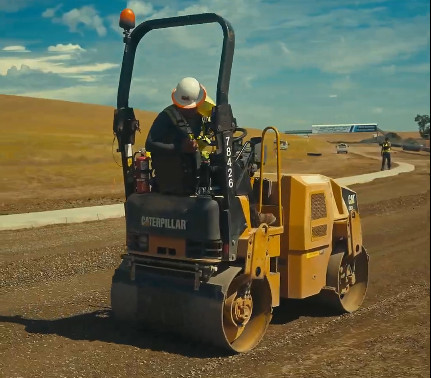
The same applies to drainage at turns 4 and 6. Hours of engineering, thousands of dollars, all of it buried. The only thing people will notice is that water doesn’t pool anymore. That’s the point.
Curb erosion is another invisible battle. When Miatas consistently miss the exit and dig wheels into the dirt, ruts form. Eventually you’re catching control arms and chunking tires. Thunderhill spent serious energy engineering slopes and soil conditions so those ruts don’t happen as fast. You won’t notice it until you realize the track doesn’t need maintenance every other day.
A 25-YEAR BET
Thunderhill is targeting 20 to 25 years of service life from this surface before another repave is needed. But this isn’t just about asphalt. It’s about what the track says about itself.
“If we’re going to compete with golf courses, FanDuel, all the different opportunities people have to spend their disposable time and income, then people are only going to take us as seriously as we take ourselves,” Busby says.
The $10 million investment—not a $3 million mill-and-overlay—tells customers and racers that Thunderhill takes this seriously. That this is a product worth caring about. That the foundation matters, even when nobody’s looking.
Especially when nobody’s looking.
- Inside the Thunderhill Repave: The Engineering Behind the New Surface
If you’ve been following the Thunderhill repave, you’ve seen the old surface come up, and the new one begin to take shape. But some of the most important work happening on the East Course will never be visible once the project is complete. A racetrack isn’t just a road with curbing. From the asphalt mix and soil underneath it to drainage, temperature, compaction, and even the shape of individual curbs, there’s a tremendous amount of engineering behind building a surface designed specifically for racing. Here’s a deeper look at what’s going into the new Thunderhill East Course.
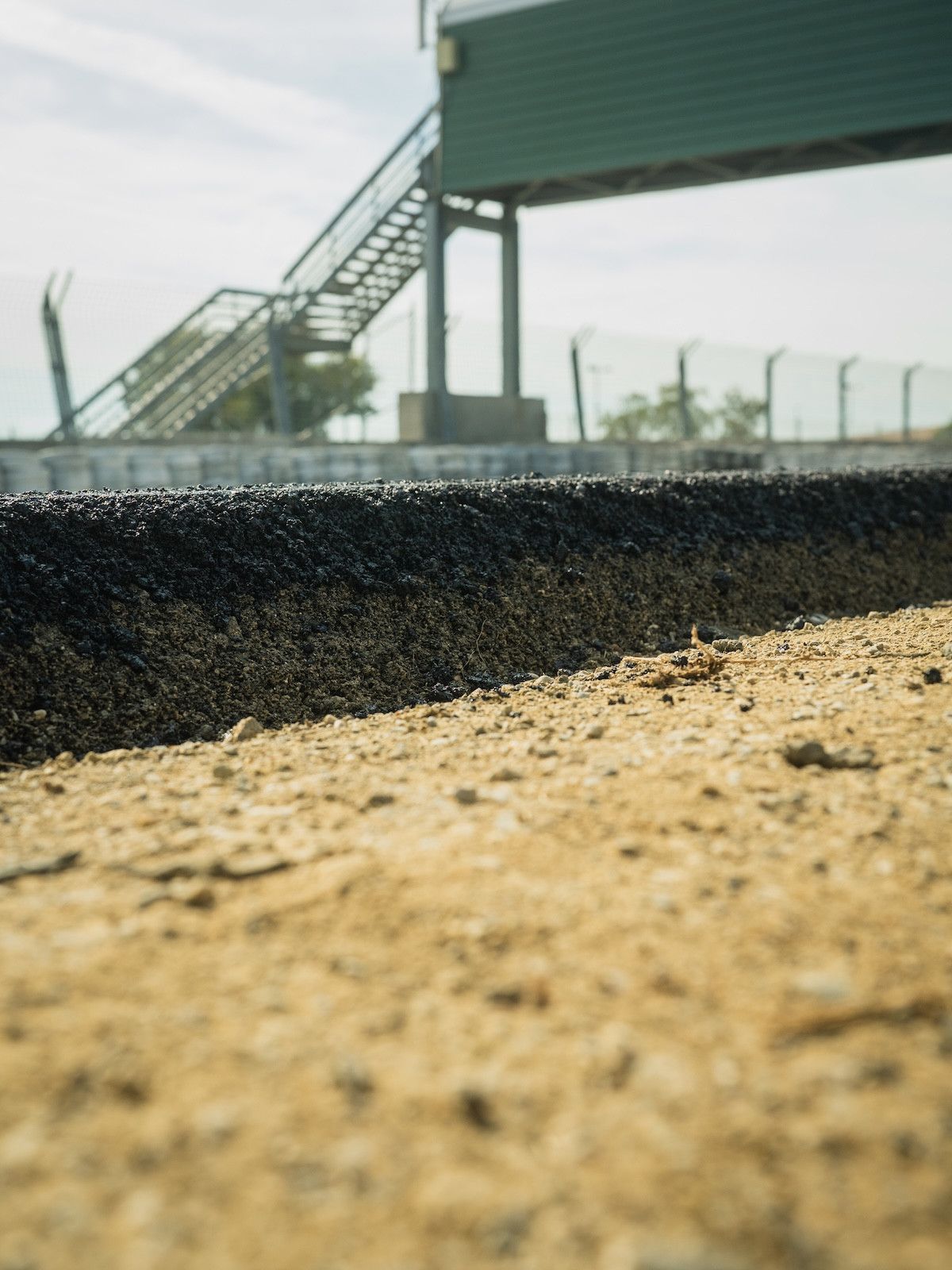
THREE LAYERS, THREE DIFFERENT JOBS
The new surface is being constructed in three separate asphalt lifts totaling five inches:
2-inch base lift — Designed to absorb some of the movement coming from the ground underneath the track.
1.5-inch leveling lift — Provides a precise and consistent foundation for the final surface.
1.5-inch wearing lift — The final racing surface, using a much stiffer mix designed to withstand the forces generated by cars and motorcycles at speed.
That last part is important. Traditional roads and even airport surfaces are largely engineered around gross vehicle weight. Thunderhill has a different problem to solve: shear. Hard braking, acceleration, and cornering are constantly trying to push and pull the racing surface laterally. Because each layer has a different job, the aggregate, polymers, and binders used in the asphalt are different between lifts.
THE TRACK IS ONLY AS GOOD AS WHAT’S UNDERNEATH IT
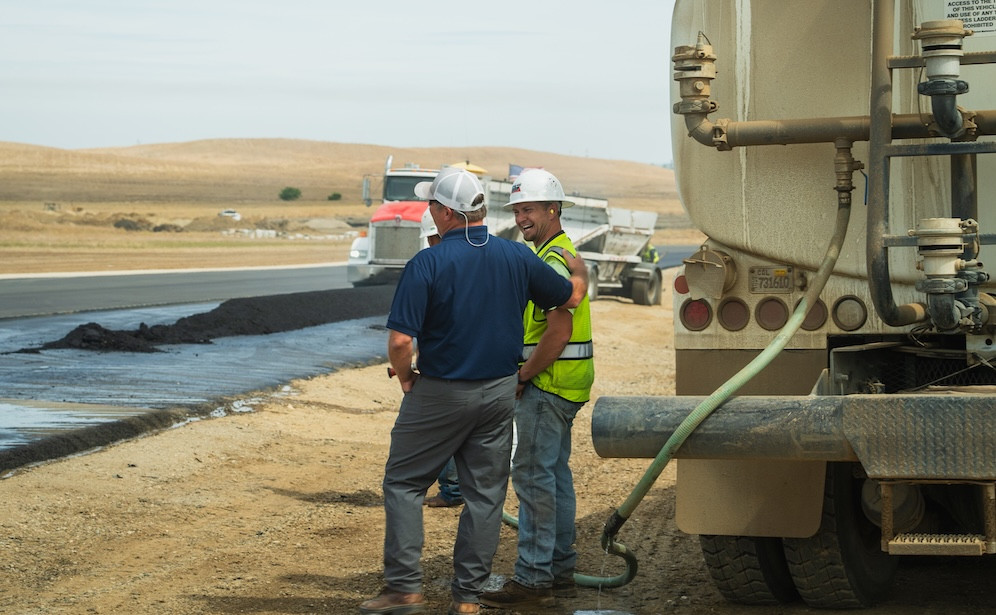
Thunderhill’s subbase hadn’t been substantially addressed since the original track construction more than 30 years ago. Over that time, Northern California has gone through everything from prolonged drought to years with considerably more groundwater. That’s particularly important at Thunderhill because different types of clay underneath the facility retain moisture and move differently. Before construction began, we performed extensive geotechnical testing to identify those problem areas. Some were worse than expected. Around Turn 14, the ground had become soft enough that you could physically feel it moving underfoot. Putting five inches of new asphalt over that would only hide the problem temporarily. Crews instead went approximately 12 inches into the existing soil and incorporated cement-lime treatment to stiffen and stabilize the foundation. Once the asphalt goes down, you’ll never see that work. But it’s fundamental to keeping the new track smooth for years to come.
AN EIGHTH OF AN INCH MATTERS
Thunderhill spent roughly 18 months working with Apex Circuit Design to model the repave in CAD, including the racing surface and new curbing. The tolerances are extremely tight. In critical areas, the specification calls for approximately 1/8 inch of allowable variance across 250 feet. At the same time, the objective was never to redesign the East Course. The existing width, grade, and camber are being preserved. The goal is to retain Thunderhill’s character while improving the surface and strategically changing elements such as the curbing.
770 PIECES OF CURBING
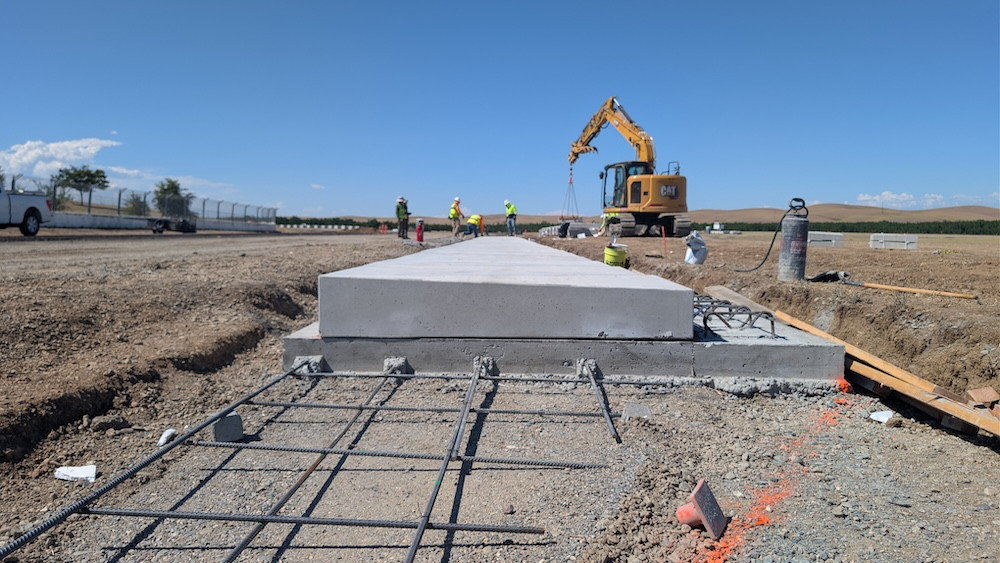
The curbing itself became an engineering project. Motorcycle safety played a major role in the new strategy, especially since riders can travel 160–170 mph with contact patches only a few inches wide. The new exit curbs are based on an FIM design used in motorcycle racing. Their complex three-dimensional shape made it impractical to form every curb on-site within the project’s construction window. Instead, the team precast 770 individual concrete curb sections.
Each section must interact correctly with the next curb, sit flush with the asphalt, and maintain the proper grade so water moves away from the racing surface rather than toward it.
STRATEGIC CHANGES AROUND TURNS 3–4, 6–7, AND 10–11 ALSO CREATE MORE USABLE WIDTH.
That should allow drivers to open corner entry and potentially carry more apex speed. More importantly, creating additional usable track width in slower corners could open the door to new passing opportunities rather than simply creating a single faster line.
THE STUFF YOU’LL NEVER NOTICE
Drainage has received significant attention, particularly around Turns 4 and 6. Asphalt and concrete expand and contract at different rates. Over time, separation can develop where the two meet, allowing rainwater underneath the racing surface. That water then looks for a path back out—and the asphalt-to-curb transition is often exactly where it finds one. Unfortunately, that’s also right where cars and motorcycles are loaded up in a corner. Much of the new drainage infrastructure will eventually be buried. If it works correctly, you’ll probably never think about it. That’s the point. The same thinking went into erosion around exit curbs. When cars repeatedly drop wheels beyond a curb, they dig away the surrounding soil. Eventually the resulting rut can become deep enough to damage tires, splitters, suspension components, and other parts of a vehicle. Grades around the new curbing were engineered to reduce erosion and make the track easier to maintain.
WHY REPAVE IN THE MIDDLE OF SUMMER?
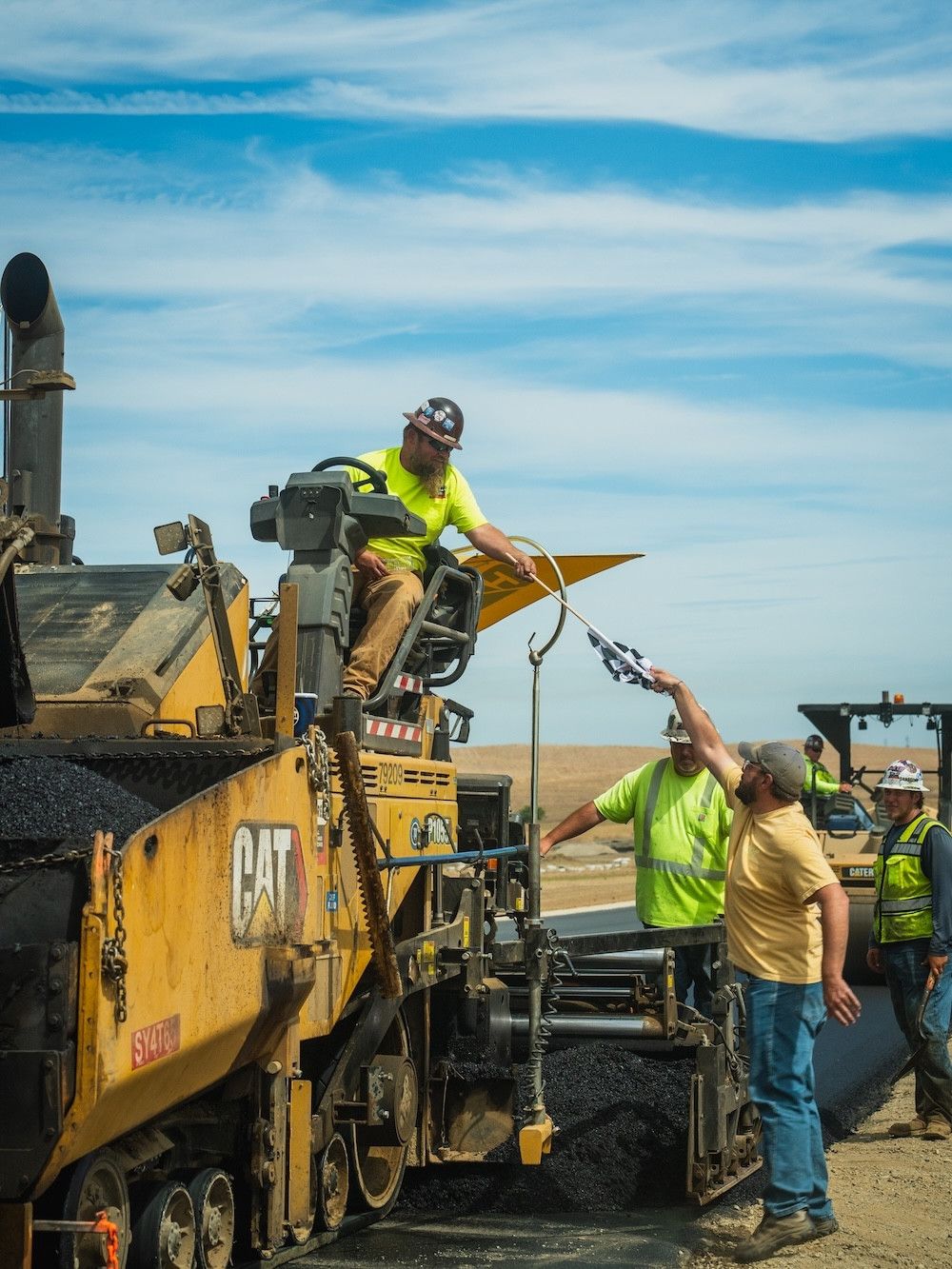
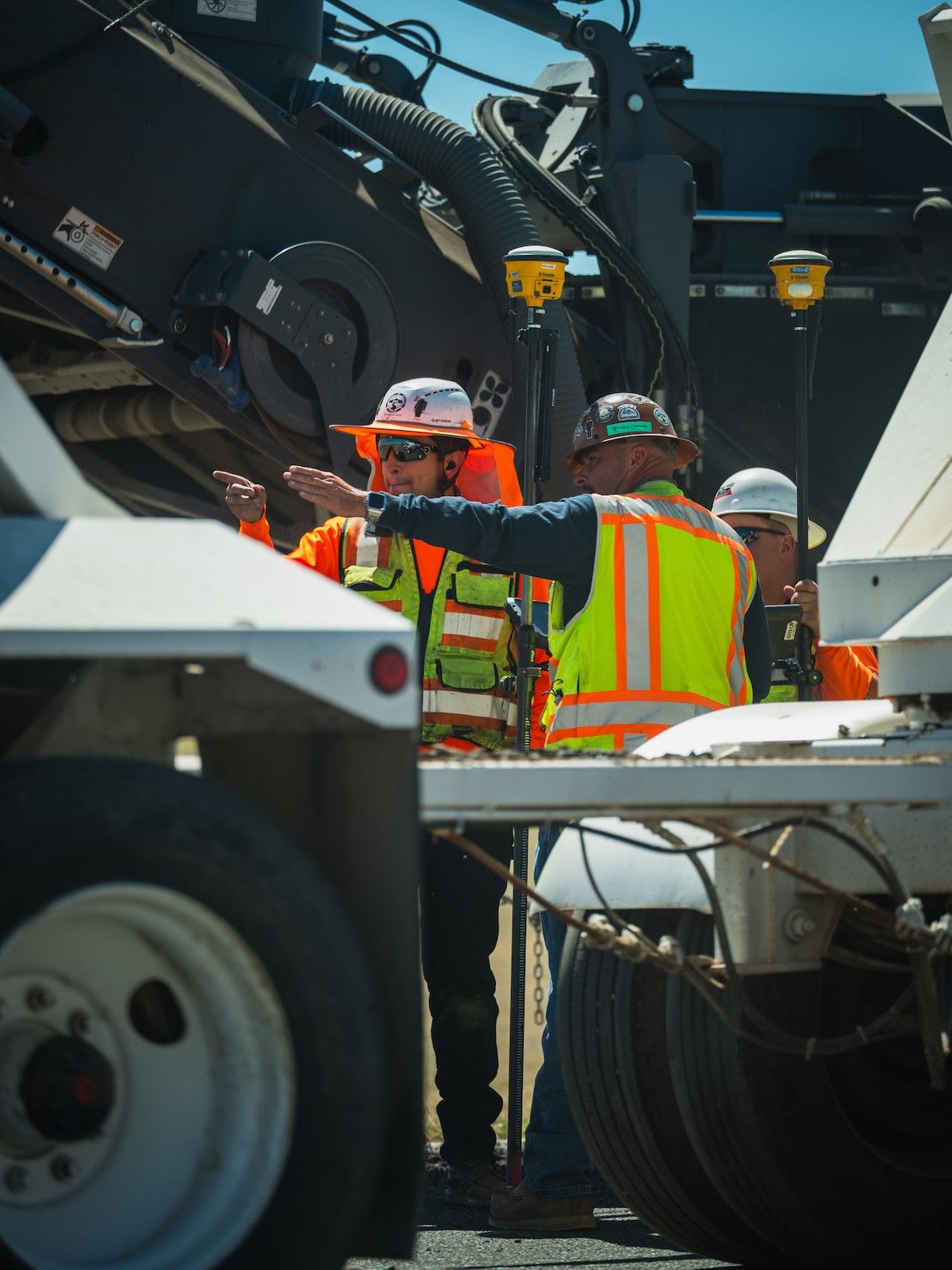
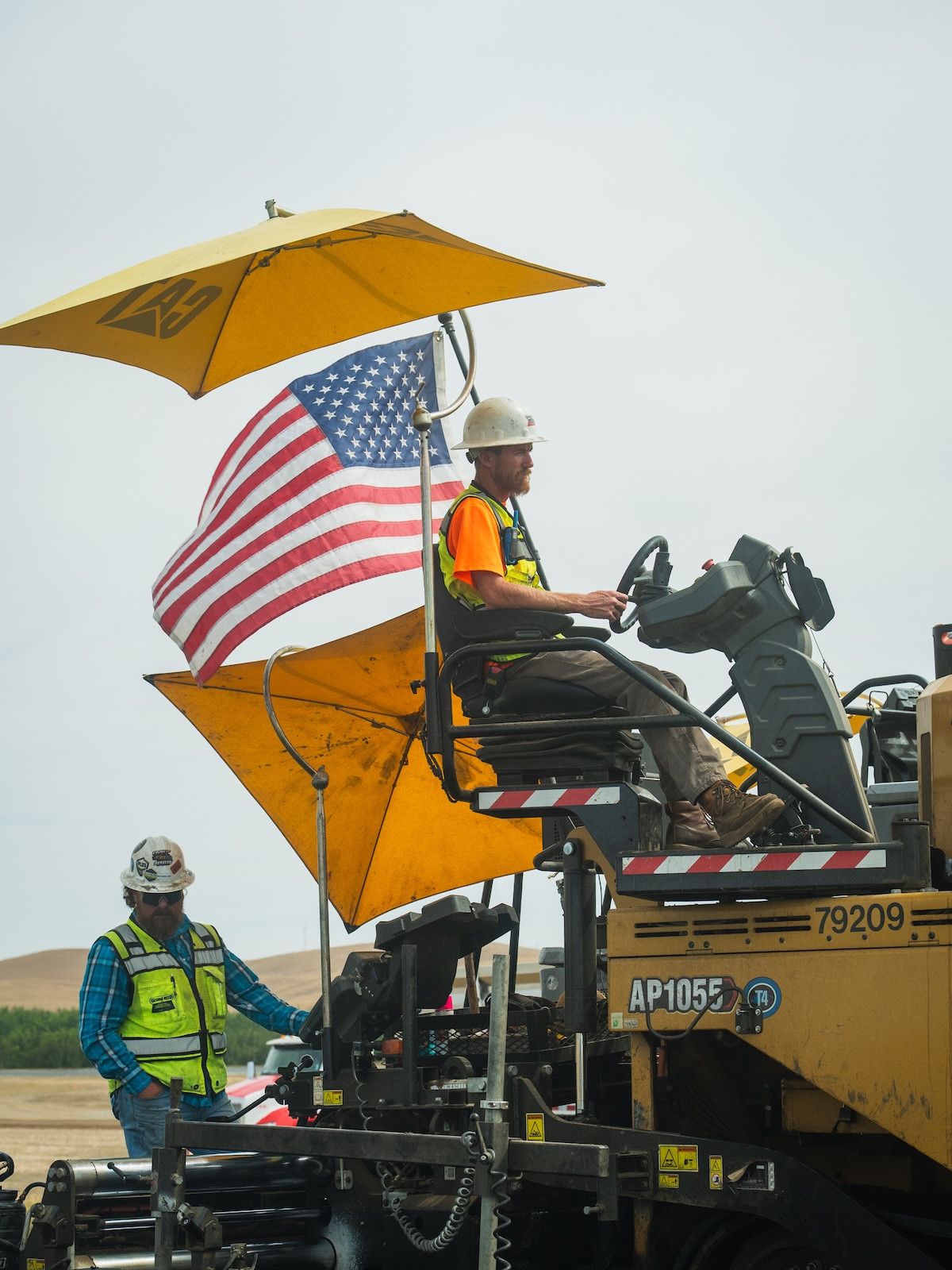
It wasn’t an accident. The highly modified binder used in the new asphalt is extremely temperature sensitive. The asphalt plant is roughly 90 minutes from Thunderhill, which means crews must manage temperature from the moment the material leaves the plant until it’s placed and compacted. A difference of just 5–10 degrees outside the required temperature window can make a load unusable. The summer heat gives crews more time to transport the asphalt, place it, compact it, and make adjustments before it cools beyond its workable range.
THE TRACK WILL KEEP CHANGING AFTER IT OPENS
When cars return to the East Course, the asphalt won’t be finished evolving. The binder itself takes roughly one year to fully cure. Thunderhill expects it could then take another six to 12 months before the surface really begins holding significant amounts of rubber. That means grip should progressively develop over approximately the first two years of the track’s life. Computer modeling also suggests the new surface and curbing could produce lap times roughly 2.5 to 4 seconds faster than before. But models only tell you so much. We’ll find out when the first cars hit the track.
BUILT FOR THE NEXT 20–25 YEARS
Thunderhill got approximately 18 years out of the previous surface. The goal for this one is 20–25 years. Getting there required going far beyond simply removing old asphalt and replacing it with new material. It’s soil stabilization you’ll never see. Drainage you’ll hopefully never notice. Hundreds of individually placed curbs. Different asphalt mixes doing different jobs. Tight temperature windows. Extremely small construction tolerances. And roughly 18 months of planning before the first major construction work even began. As Thunderhill President and CEO Matt Busby put it, the repave is: “A very high-stakes investment into the next 50 years of Thunderhill.” And when the East Course reopens, all of that work comes down to one thing: Building a better place to race.